Lagarde warns Europe’s growth model is eroding as trade, energy and competitiveness pressures mount
The ECB president says the three pillars that supported Europe’s post-war economic expansion are weakening simultaneously, while fragmented markets threaten the continent’s ability to compete in artificial intelligence and retain fast-growing companies.

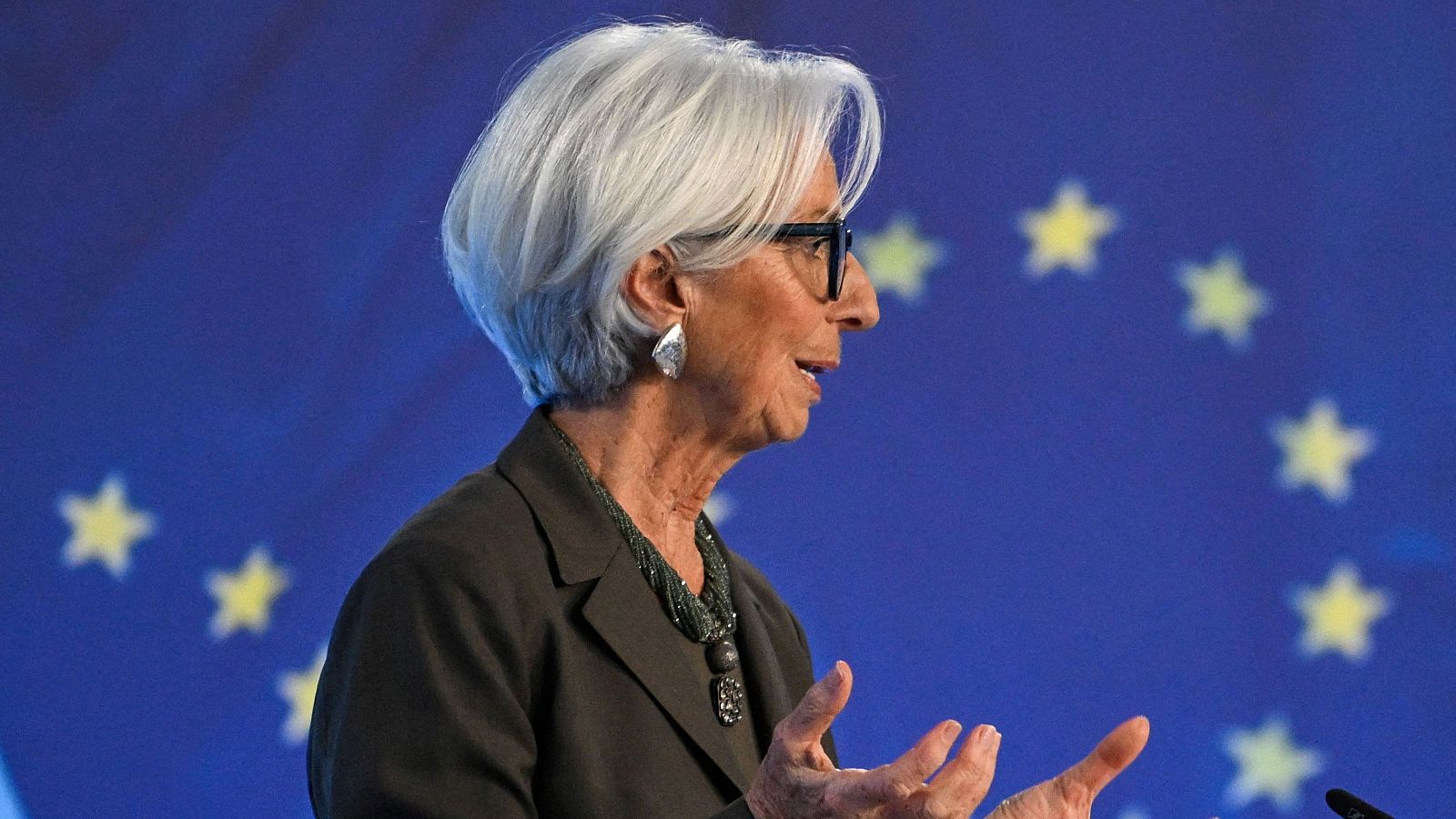
The economic model that underpinned European prosperity for decades is losing strength as global trade becomes more restrictive, the continent's manufacturing cost advantages disappear and geopolitical instability reshapes investment decisions, according to European Central Bank President Christine Lagarde.
Speaking at a World Economic Forum business gathering, Lagarde argued that Europe's post-war growth model was constructed around three mutually reinforcing pillars: expanding international trade, a competitive manufacturing sector benefiting from relatively affordable energy, and a stable rules-based global order supported by US security. The problem facing Europe today is that all three foundations are weakening at the same time.
The change is already visible in global trade. More than 2,500 trade restrictions were introduced worldwide last year, according to figures cited by Lagarde, as governments increasingly turn towards tariffs, industrial policy and measures designed to protect strategic sectors.
At the same time, European manufacturers are confronting stronger competition from China. Chinese companies now compete directly with the euro area in almost 40% of the sectors in which Europe has a comparative advantage, compared with around 25% in the early 2000s.
Energy has become another structural disadvantage.
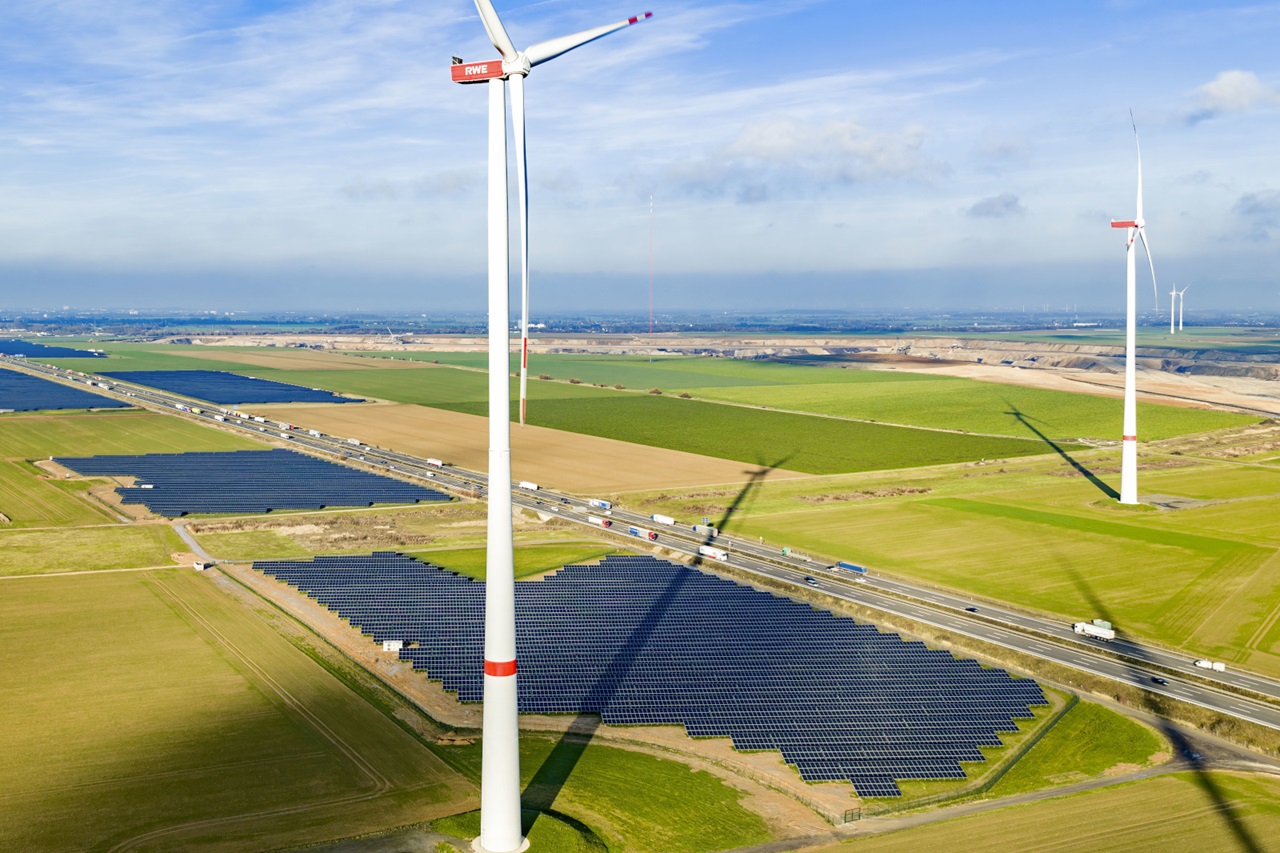
Electricity prices paid by energy-intensive industries in the European Union were, on average, more than twice those faced by comparable businesses in the United States last year and approximately 50% higher than in China. The disappearance of the cheap Russian gas that previously supported parts of European industry has fundamentally altered the cost equation for manufacturers operating in the bloc.
Those pressures are arriving alongside a more unstable geopolitical environment. Critical dependencies, supply-chain bottlenecks and strategic vulnerabilities are becoming increasingly important factors in corporate decisions, while uncertainty itself carries an economic cost: when companies perceive capital and investment as less secure, they tend to invest less, ultimately weighing on both output and consumption.
The warning adds to a broader debate over European competitiveness and whether the EU can maintain its industrial position while simultaneously navigating higher energy costs, geopolitical fragmentation and technological disruption.
Yet Lagarde's assessment was not entirely pessimistic. Europe continues to possess substantial economic advantages, including an integrated market encompassing 27 countries and around 450 million consumers, an extensive network of international trade agreements and sophisticated manufacturing capabilities in specialised areas such as lithography and precision optics.
Domestic demand is also providing an important cushion.
The euro area economy expanded 1.5% in 2025, with growth driven entirely by domestic demand. That same component contributed positively as GDP grew 0.4% quarter-on-quarter during the second quarter of 2026 despite an energy shock, and the ECB expects domestic demand to remain the main engine of eurozone growth this year.
The challenge is turning the size and purchasing power of Europe's domestic market into the scale required to compete globally.
AI exposes Europe’s fragmentation problem
Artificial intelligence could become the decisive test.
Lagarde warned that Europe largely missed the first digital revolution and cannot afford to repeat the experience with AI. Companies across the euro area appear increasingly willing to invest: surveys cited by the ECB president indicate that businesses expect to allocate an average of approximately 9% of their total investment to artificial intelligence in 2026.
But money alone will not solve the structural problem.
Europe's Single Market remains fragmented in areas that matter for companies attempting to expand across borders. Different national rules and barriers can limit competition and slow technology adoption, while fragmented capital markets make it more difficult for promising European businesses to obtain the financing required to become global companies.
The funding gap becomes particularly visible as startups mature.
According to European Investment Bank figures cited by Lagarde, EU scale-ups raise broadly similar amounts of capital to comparable companies based in San Francisco during their first five years. By their tenth year, however, European scale-ups have raised roughly 50% less.
The consequences extend beyond slower growth. Around 12% of EU scale-ups have relocated outside the European Union, most notably to the United States, meaning Europe risks financing and developing innovative companies only to lose part of the economic value they create once those businesses reach the stage where significantly larger pools of capital are required.
That is why the debate over European competitiveness is increasingly shifting from subsidies and individual industrial policies towards the structure of the Single Market itself.
One proposal under consideration is “EU Inc.”, an optional EU-wide corporate legal framework that would allow companies to incorporate once and operate under a single set of rules across the bloc. The initiative is intended to reduce the regulatory fragmentation businesses face when expanding from one member state into another.
European leaders are simultaneously pushing for deeper integration of capital markets and have called for an agreement on a market integration package by the end of 2026. The broader objective is to move Europe closer to a genuine single market for capital, making it easier for savings generated within the EU to finance European companies as they scale.
The stakes extend far beyond the technology industry.
Europe is trying to finance the green transition, expand defence capabilities, modernise infrastructure, strengthen energy security and compete in artificial intelligence at the same time. Achieving those objectives while economic activity remains fragmented across national markets creates a structural disadvantage against economies such as the United States and China, where companies can generally scale across much larger domestic markets.
Lagarde's argument therefore points to a deeper transformation than a conventional cyclical slowdown.
Europe still possesses capital, sophisticated industries, skilled workers, affluent consumers and one of the world's largest markets. What is increasingly under pressure is the economic architecture that allowed those advantages to translate into growth.
If expanding globalisation, cheap energy and geopolitical stability can no longer be taken for granted, Europe's next growth model will have to rely much more heavily on its own domestic market, investment capacity and ability to turn innovation into companies capable of competing at global scale.