
EU Grants Priority Status to Cross-Border Solar-Wind Project Linking Poland and Germany
The European Commission has granted cross-border renewable energy status to the Deploy project, enabling a 180 MW solar-wind plant in Poland to supply industrial heat to Germany and setting a precedent for EU energy cooperation.

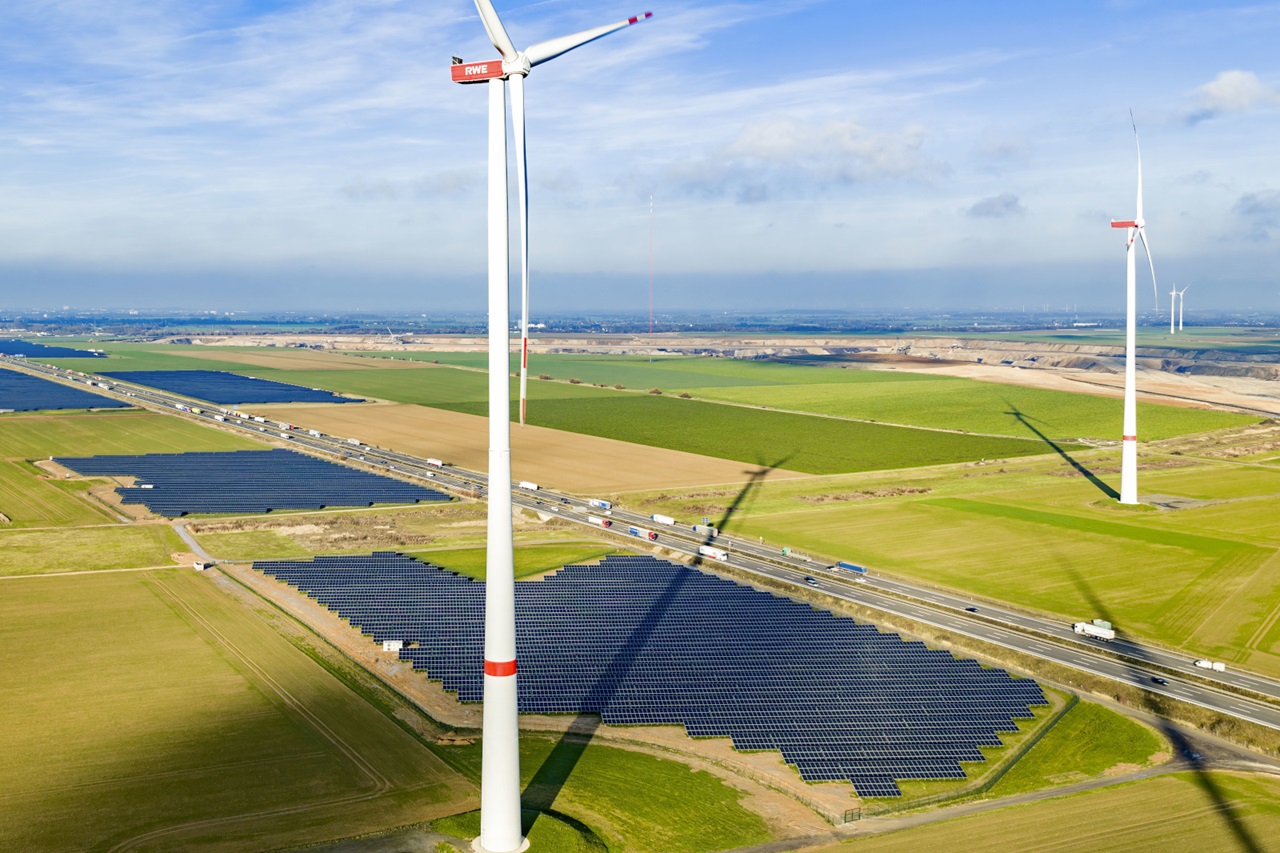
The European Commission has granted cross-border renewable energy (CB RES) status to the Deploy project, a 180 MW solar and wind initiative in Gubin, Poland, which will supply converted electricity as heat for industrial users in Germany. The decision is seen as a significant step in advancing the EU’s ambition for integrated, sustainable energy markets.
The Deploy project’s cross-border status makes it eligible for EU funding, notably from the Connecting Europe Facility (CEF) Energy Program, which could lower development costs and enhance competitiveness in the renewables sector. According to pv magazine Global, feasibility and design studies are underway, with a final investment decision expected by mid-2028. Construction is scheduled to start in January 2029, with commissioning planned for January 2030.
The project’s unique approach—generating renewable electricity in Poland and converting it into heat for German industrial offtakers—reinforces the EU’s goals of energy integration and decarbonization. By facilitating cross-border energy flows, the project supports energy security and sustainability while offering a model for future cooperation between member states.
The Deploy project is part of a broader trend towards cross-border renewables in Europe, following the 2021 launch of the CB RES accreditation. The initiative also interlinks with other regional energy efforts, such as the 5 MW heat pump in Simbach, Germany, and a geothermal borehole project in Austria, highlighting increasing collaboration across borders.
For industrial energy consumers in Germany, the project promises a new source of low-carbon heat, potentially impacting operational costs and emissions profiles. The availability of EU funding and regulatory support underlines the bloc’s commitment to accelerating the energy transition and could drive further investment in similar ventures.
Risks remain, particularly regarding potential delays in feasibility studies and possible changes to EU funding mechanisms after 2027. However, the status granted to Deploy enhances access to critical financing and signals that cross-border cooperation will remain central to the EU’s renewable energy strategy.