Siemens Backs Skeleton Technologies, Elevating Baltic Unicorn and Energy Storage Ambitions
Estonia's Skeleton Technologies attains unicorn status after investment from Siemens AG, spotlighting Europe's energy storage sector as tech demand surges in the US and beyond.

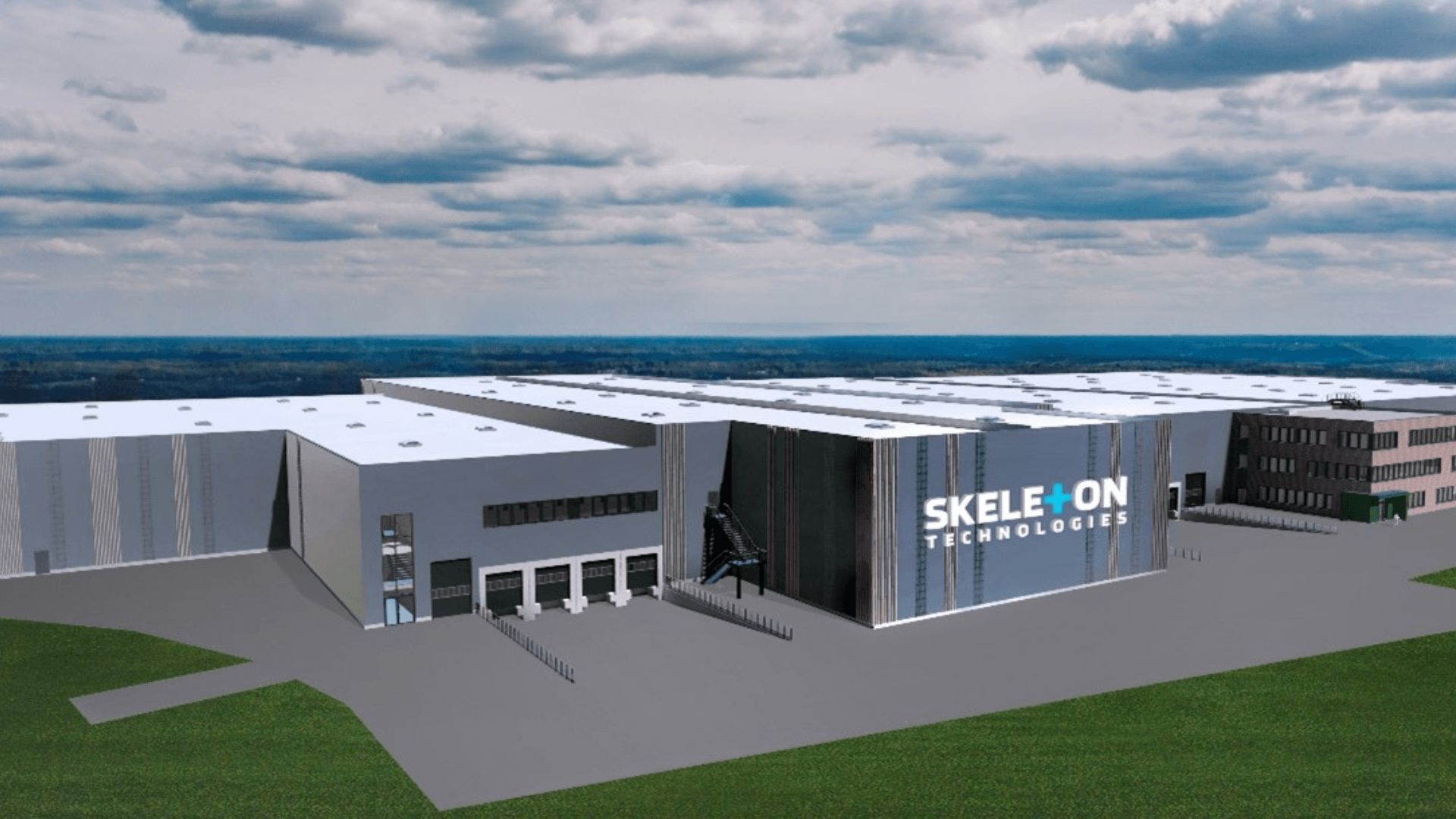
Skeleton Technologies, the Estonian energy storage company, has attained unicorn status after a significant investment from Siemens AG, the German industrial giant. The funding will be directed toward manufacturing advanced energy storage systems tailored to artificial intelligence (AI) data centers in the United States, underscoring a major shift in the role of energy storage within the global tech industry.
The investment places Skeleton Technologies at the center of a rapidly evolving market, as AI-driven data centers require increasingly robust and efficient energy solutions. According to the companies, the focus on the US market reflects both the scale of anticipated demand and the race among technology firms to secure stable, high-performance power infrastructure amid surging computational needs.
From a European perspective, the deal highlights the EU’s strategic push to foster innovation in energy storage technologies—a sector seen as crucial for the digital transformation and the transition to renewable energy. By supporting Skeleton’s growth, Siemens signals continued confidence in Baltic tech and the broader European ecosystem’s ability to produce globally competitive solutions.
The move also has implications for transatlantic business flows. By targeting the US market, Skeleton and Siemens are leveraging European expertise to capture a share of the booming American AI infrastructure buildout. This approach could serve as a template for EU-based firms seeking to expand their footprint in North and South America, including Latin American markets where data center and energy infrastructure investments are also on the rise.
For Latin America, the development is notable as regional governments and companies look to modernize digital infrastructure and diversify energy systems. The success of Skeleton Technologies may encourage further collaboration or investment from European firms in Latin American energy storage projects, which are seen as key to supporting both AI adoption and renewable energy growth.
However, the partnership’s focus on AI data centers introduces market risks. Skeleton’s expansion will depend on sustained demand for AI-powered infrastructure, which could fluctuate given rapid technological and regulatory changes. Market volatility in the tech sector remains a potential challenge for both Skeleton and its investors.
Still, the investment positions Skeleton Technologies to capitalize on the global race for cleaner, smarter energy solutions. For Siemens AG, the deal strengthens ties with high-growth technology players in Europe and beyond, while reinforcing the EU’s ambition to lead in energy innovation for the digital era.