TAP’s first-half loss widens to €99 million as fuel costs outpace passenger growth
TAP Air Portugal carried a record 8.2 million passengers and increased revenue during the first half of 2026, but higher fuel, personnel and fleet-related expenses pushed the airline deeper into the red. The results come as Portugal evaluates bids from Air France-KLM and Lufthansa for a minority stake in the state-owned carrier.

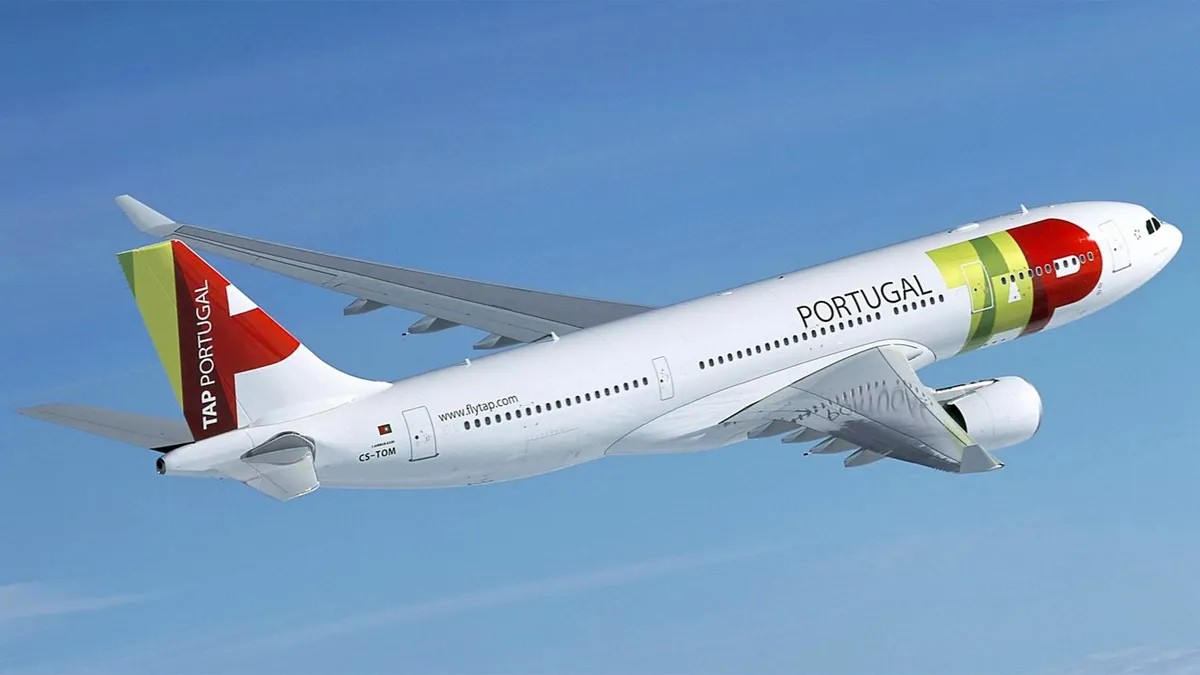
TAP Air Portugal recorded a net loss of €99.2 million in the first half of 2026, approximately 40% more than during the same period last year, as rising operating expenses outweighed growth in passenger numbers and revenue.
The Portuguese airline generated €2.04 billion in operating revenue between January and June, an increase of 4.3% year on year. Ticket revenue rose by 4.4% to €1.83 billion, supported by demand across its European and South American networks.
TAP carried a record 8.2 million passengers, 4.2% more than in the first half of 2025, while operating approximately 57,500 flights, an increase of only 0.3%.
The difference between passenger and flight growth indicates that the company filled its aircraft more efficiently. Capacity increased by 1.7%, while passenger traffic measured in revenue passenger kilometres rose by 5.9%. As a result, the load factor climbed by 3.4 percentage points to 85.4%.
However, stronger aircraft utilisation and higher traffic were insufficient to offset the increase in costs.
TAP’s recurring operating expenses rose by 9.6% to approximately €2.12 billion, more than twice the rate of revenue growth. Fuel was the main source of pressure, although it was not the only one.
The airline’s fuel bill increased by €89.4 million, or 18.7%, to €566.4 million during the six-month period. The impact became more pronounced in the second quarter, when fuel costs were 52.3% higher than a year earlier following the disruption and price volatility associated with the conflict in the Middle East.
Airlines are exposed to sudden movements in oil prices because ticket prices and capacity are frequently set months before passengers travel. TAP therefore had to absorb part of the additional expense on tickets sold before the latest fuel-price increase, while commercial measures intended to recover those costs could only take effect gradually.
Personnel expenses increased by 7.5%, while depreciation and amortisation rose by 9.8%, partly reflecting investment in the fleet. These developments show that the deterioration was broader than the fuel shock and included structural costs associated with operating and renewing the airline.
Recurring earnings before interest, taxes, depreciation and amortisation fell by 29.8% to €181.9 million. Recurring operating profit moved from a positive €17.3 million in the first half of 2025 to a loss of €83.7 million one year later.
The results also reveal a marked change during the reporting period. TAP had reduced its first-quarter net loss by 63% to €39.9 million, benefiting from higher revenue and traffic. Management had already warned, however, that the rise in jet-fuel prices would affect subsequent quarters.
The second-quarter increase in energy expenses interrupted that initial improvement and left the airline facing a wider half-year loss despite continued passenger growth.
The first six months are not normally the strongest part of the European aviation calendar. Airlines generate a substantial share of their annual earnings during the summer, when demand and ticket prices are higher. TAP’s first-half loss therefore does not determine its full-year result, but the increase in fuel prices raises the level of revenue and operating efficiency required during the second half.
The comparison with 2025 also sets a demanding baseline. TAP ended last year with a net profit of only €4.1 million, down from €53.7 million in 2024, although the decline was largely influenced by a deferred-tax charge. The company nonetheless completed its fourth consecutive profitable year after emerging from a restructuring supported by the Portuguese state.
TAP’s latest financial performance is particularly relevant because the government is proceeding with the airline’s partial privatisation.
Portugal plans to sell 44.9% of TAP to a strategic investor, with an additional stake of up to 5% reserved for employees. The state would retain control through a 50.1% holding.
Air France-KLM and Lufthansa Group submitted binding offers in July. Both groups view TAP as an opportunity to expand their access to Brazil, Portuguese-speaking markets, the South Atlantic and connecting traffic through Lisbon. International Airlines Group, the owner of British Airways and Iberia, withdrew from the process after concluding that the proposed structure did not provide a viable route to control.
The Portuguese government is evaluating the bids on more than their financial value. Its criteria include the proposed industrial plan, investment capacity, employment, fleet development, maintenance activities, regional connectivity and the preservation of TAP’s headquarters, brand and Lisbon hub.
TAP’s route network is its principal strategic asset. The company has established a significant position between Europe and Brazil, supported by Lisbon’s geographic location and Portugal’s historical and commercial links with South America and Africa.
That network can provide a European airline group with additional connecting traffic and access to markets where TAP has established frequencies, airport positions and brand recognition. It also makes the airline relevant to Portugal’s tourism sector and to the country’s links with emigrant communities.
The first-half figures nevertheless identify the issues that a new shareholder would have to address. TAP is attracting passengers and improving its load factor, but revenue growth has not kept pace with operating expenses. Fuel exposure, labour costs, fleet investment and constraints at Lisbon airport could continue to limit margins.
A larger aviation group could offer purchasing power, broader commercial partnerships, joint loyalty programmes and coordination across schedules, maintenance and aircraft procurement. Those benefits will depend on the final ownership structure and on the conditions imposed by the Portuguese government and competition authorities.
Portugal has invested more than €3.2 billion in TAP’s rescue and restructuring. The privatisation process is intended to recover part of that investment while providing the airline with the scale and capital required to compete in a market increasingly concentrated around large European groups.
TAP’s first-half performance presents a mixed picture for prospective investors. Passenger demand remains strong and the network continues to generate revenue, but the widening loss demonstrates how quickly external shocks can weaken profitability when costs rise faster than fares.
The central question is therefore no longer whether TAP can fill its aircraft. It is whether the airline and its future strategic partner can convert that demand into more stable margins while preserving the connectivity and assets that make the carrier important to Portugal.