Vicky Foods lifts production 7% to 254,631 tonnes as workforce tops 4,200
The Spanish food group increased employment by nearly 15% in 2025, supported by an international network of five factories, exports to more than 50 countries and €244 million invested in industrial capacity over five years.

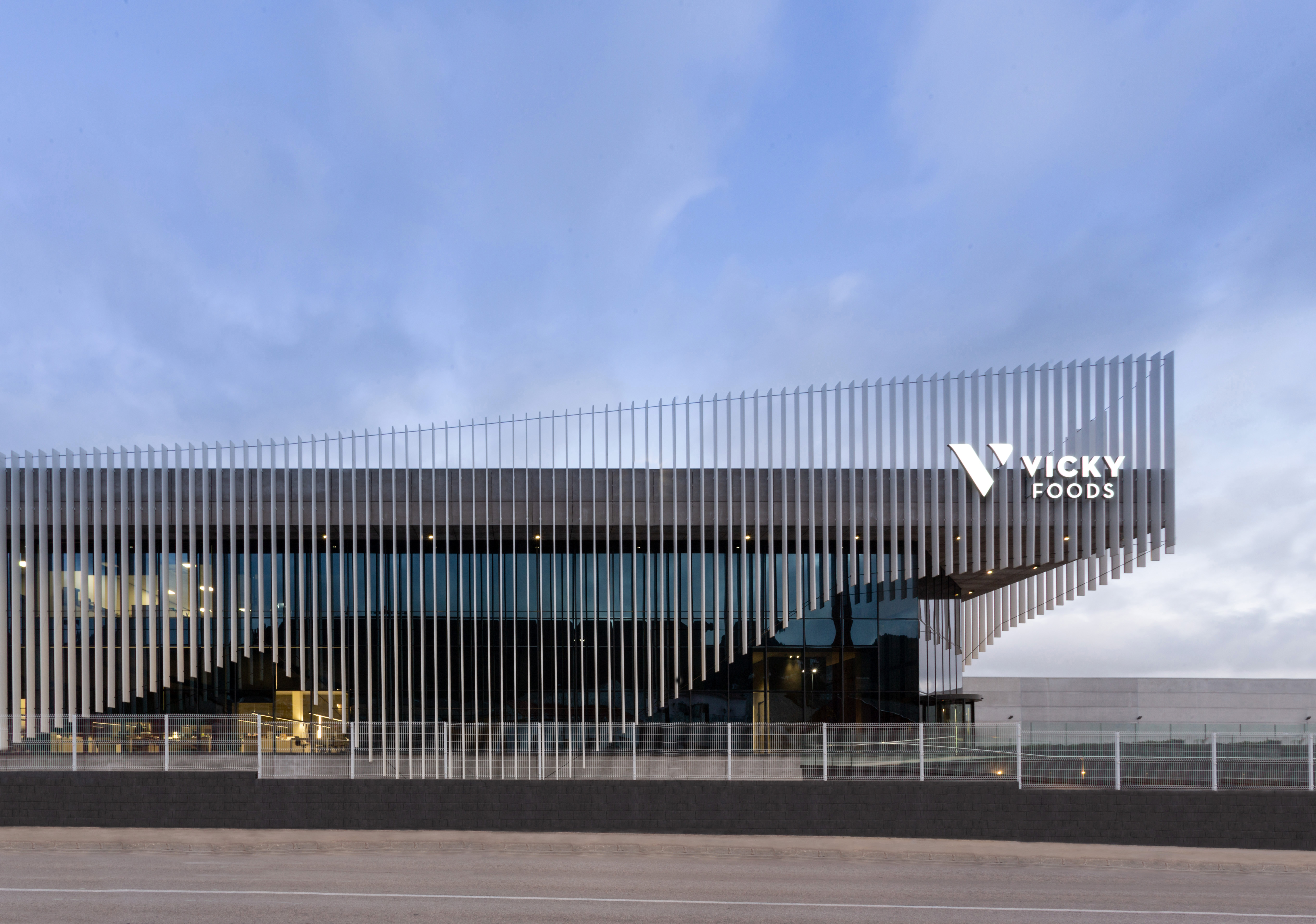
Spanish food group Vicky Foods produced 254,631 tonnes in 2025, representing an increase of 7% compared with the previous year, as stronger demand across its main product categories and improvements in industrial efficiency continued to expand the scale of the business.
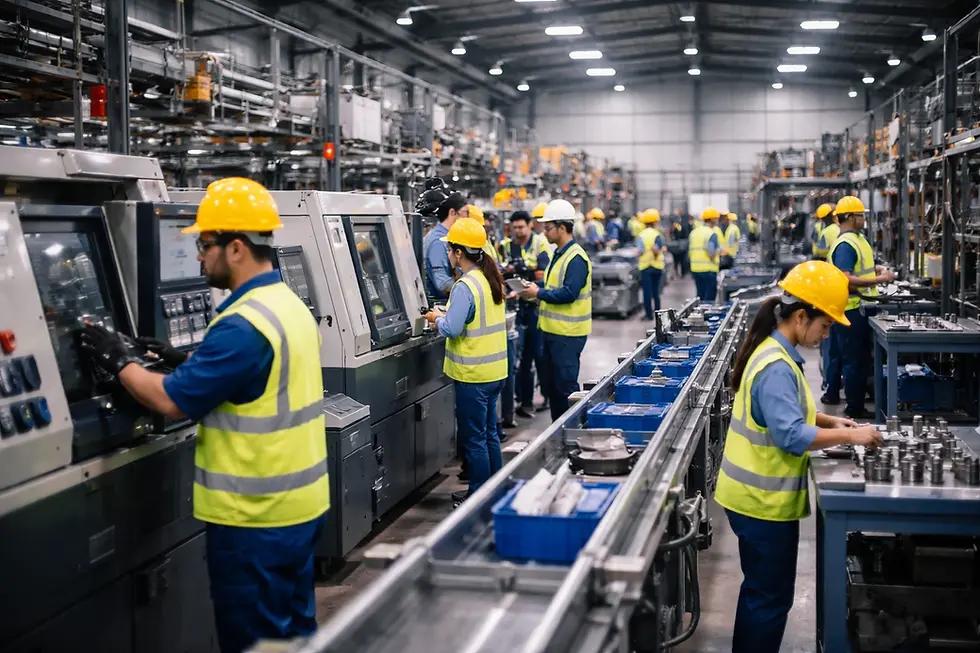
The company’s workforce also surpassed 4,200 employees, nearly 15% more than in 2024. The rise in employment significantly exceeded the rate of production growth, suggesting that Vicky Foods is not only responding to current demand but also reinforcing the operational, commercial and logistics capabilities needed for further expansion.
The figures were disclosed by the company through a public corporate update on LinkedIn and do not derive from an interview conducted by EUBizNews.
“These figures reflect the strength of our production model and the company’s ability to continue growing,” Vicky Foods said in the publication.
The company identified industrial investment, operational efficiency and product-category development as the main pillars supporting its evolution. It also said its priorities for the coming years include strengthening production capabilities, expanding the business and consolidating its position across existing markets.
The results highlight the transformation of a company that began as a family-owned bakery in Villalonga, Valencia, during the 1950s. Still controlled with 100% Valencian capital, Vicky Foods has evolved into a diversified food group with operations extending beyond Spain.
Its portfolio includes brands such as Dulcesol, Panrico, Hermanos Juan, Be Plus, Fit’z and Il Forno di Giovanni Ricci. The group operates across bakery products, bread, cakes and pastries, ready meals, baby food, spreads and other packaged food categories.
That diversification has allowed Vicky Foods to reduce its dependence on a single segment while using a common industrial, logistics and distribution infrastructure to develop multiple brands and product lines.
The group currently operates five main production plants: two in Spain and one each in France, Portugal and Algeria. Its products are exported to more than 50 countries, while its commercial and distribution structure has a direct presence in several European and North African markets.
The company’s industrial centre of gravity remains in the Spanish region of Valencia.
Its Villalonga factory produced approximately 105,668 tonnes in 2025, supported by 16 manufacturing lines and a workforce of more than 1,270 people. The Gandia facility, which manufactures bakery products, cakes, ready meals, baby food and spreads, produced around 129,263 tonnes through 25 lines.
Together, the two Valencian plants accounted for almost 235,000 tonnes, representing more than 92% of the group’s total production during the year.
The company also reported production of approximately 1,686 tonnes at its French plant and 13,154 tonnes in Algeria. Its international manufacturing footprint allows the group to produce closer to selected markets, reduce delivery distances and adapt parts of its portfolio to local demand.
Expansion has been supported by sustained capital expenditure. According to its corporate information, Vicky Foods invested approximately €244 million in facilities and machinery over the past five years.
That investment has strengthened production capacity, automation, food-safety systems and the flexibility required to manufacture a widening range of products. It also gives the company a larger industrial base from which to pursue future growth without relying exclusively on external manufacturers.
A distinctive part of the model is its degree of vertical integration.
Vicky Foods operates an egg-production facility in Terrateig, Valencia, with more than 472,000 laying hens. The site produced approximately 7,653 tonnes of liquid egg in 2025 and covers around 98% of the group’s internal requirements.
It also owns a packaging factory in La Pobla del Duc that manufactures 100% of the wrapping materials used by its bakery and pastry plants. During 2025, the facility produced more than 3,100 tonnes of plastic film, 7.5 million pouches and 125 million bags.
This internal production of strategic inputs gives the company greater control over availability, quality and costs. It can also reduce exposure to external supply disruptions, although maintaining such an integrated structure requires continued capital investment and careful management of raw-material and energy expenses.
Distribution represents another important component of the business. Vicky Foods operates through 37 commercial delegations and 438 delivery routes, supported by hundreds of employees working across sales, warehouses, transportation and customer service.
That network helps the group combine large-scale manufacturing with frequent deliveries to retailers and distributors, an important advantage in food categories where product rotation, freshness and availability influence commercial performance.
The workforce increase also signals that the company is preparing for a larger and more complex organisation. Adding nearly 15% more employees in one year involves higher operating costs, but it can provide the human capacity required to manage new production lines, international markets, product innovation and a broader distribution system.
Vicky Foods did not disclose revenue, profitability or export-growth figures in its corporate update. Production volume therefore offers only one measure of its performance and does not by itself determine the financial return generated by the expansion.
Nevertheless, the combination of higher production, rapid employment growth, sustained industrial investment and an international footprint shows a company continuing to scale despite a challenging environment for European food manufacturers.
The sector faces persistent pressure from energy, transport, packaging and agricultural-input costs, while consumers and retailers are demanding competitive prices, healthier products and increasingly sustainable production standards.
Vicky Foods’ response has been to combine scale with diversification, technological investment and internal control over parts of its supply chain.
After producing more than a quarter of a million tonnes in 2025, the company’s next challenge will be to turn its expanded industrial and workforce capacity into sustained international growth, stronger productivity and greater value across its portfolio of brands.