Alstom reports €954m loss after Coradia Max delays and plans €2bn debt reduction
Alstom posted a €954 million first-half loss due to delays in its Coradia Max programme in Germany and will sell businesses and raise funds to cut debt by €2 billion.

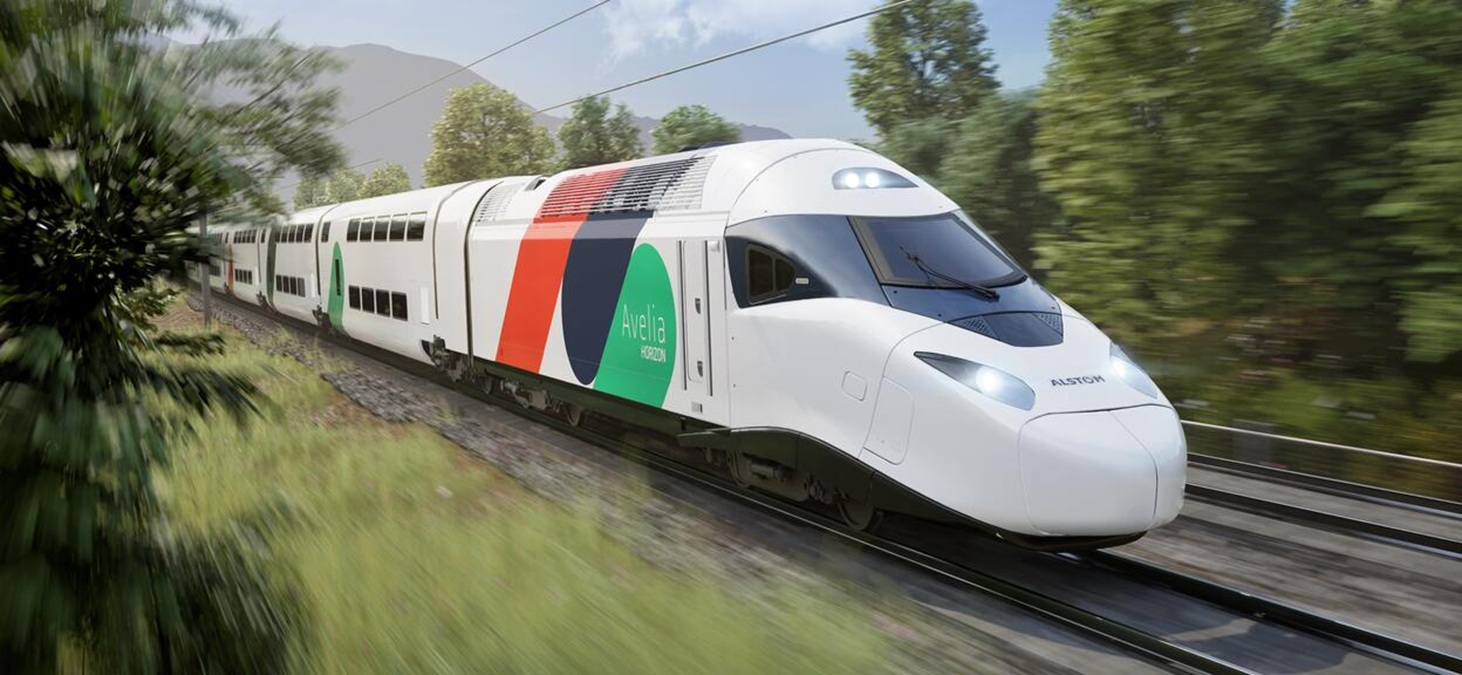
Alstom, Europe’s largest train manufacturer, has reported a €954 million net loss for the first half of its 2026-27 financial year, primarily due to significant delays in the Coradia Max rolling stock programme for Germany. The company’s consolidated results for the first half, published on November 17, show a sharp reversal from the €220 million profit recorded a year earlier. The delays in delivering the Coradia Max double-deck trains have forced Alstom to lower the expected margins on several major German contracts, with approval for the first of six fleets now postponed to March 2028. This has also resulted in deferred delivery payments.
To address its financial position, Alstom has announced a plan to reduce its debt by €2 billion by September 2027. This will be achieved through the sale of business units and the raising of new equity, with the fastest improvements expected from renegotiating terms with current customers. The company’s order intake rose by 5% to reach €11 billion in the half-year, growing its backlog to €111 billion. However, Alstom has struggled to convert these orders into delivered trains, with vehicle production down by 8%, an adjusted EBIT loss of €396 million, and negative free cash flow of €1.25 billion.
Chief Executive Martin Sion acknowledged that the results were unsatisfactory and below expectations for a global leader in the rail industry. He highlighted that project management weaknesses—especially the interconnected nature of the Coradia Max projects—caused delays to cascade across contracts. Sion described two main setbacks in 2026: technical problems with the train bodyshell and an insufficient test and validation plan, both of which led to paused production and a revised schedule. The new plan aims to separate project management from engineering to improve oversight and ensure better risk management.
Alstom’s restructuring will also affect its European operations, with the company focusing more resources on core activities. The first-half costs included €69 million attributed to right-sizing its footprint in Europe, notably in Germany and Belgium. The company has already closed or restructured several sites, including in Görlitz and Kassel, and has shifted some production to central and eastern Europe. The French government, which holds a 7.5% stake in Alstom through Bpifrance, has stated that job losses in France as a result of these issues are unacceptable.
Alstom has not specified which business units may be sold, but core signalling activities and most service operations are not considered candidates for divestment. The company expects its debt reduction to come mainly from commercial negotiations and, to a lesser extent, from asset sales and new equity.