Argentina set to surpass Chile as South America's top lithium producer by 2035
Argentina could overtake Chile in lithium output by 2035, driven by a €2.7 billion project, reshaping global supply dynamics amid rising demand.

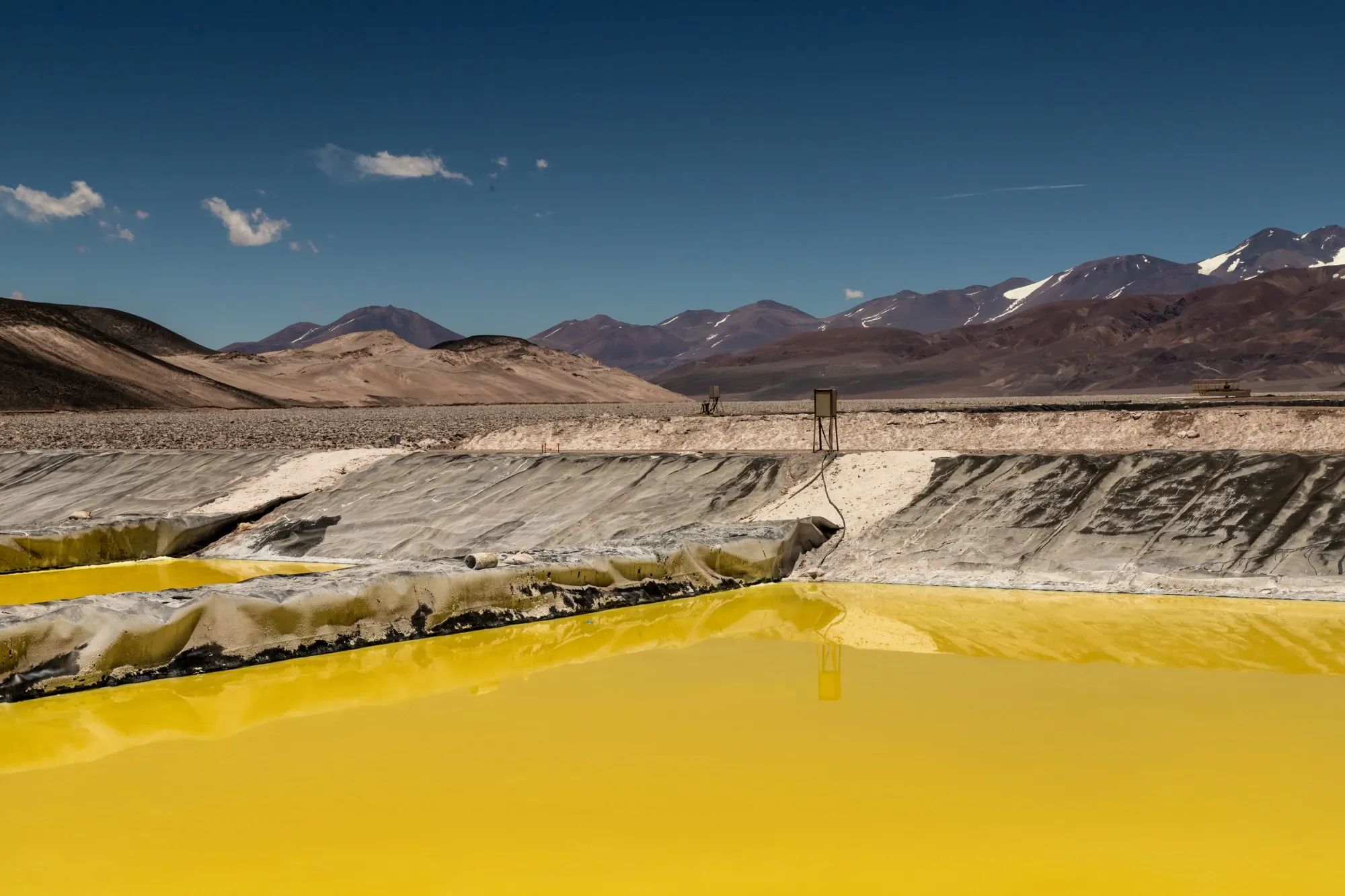
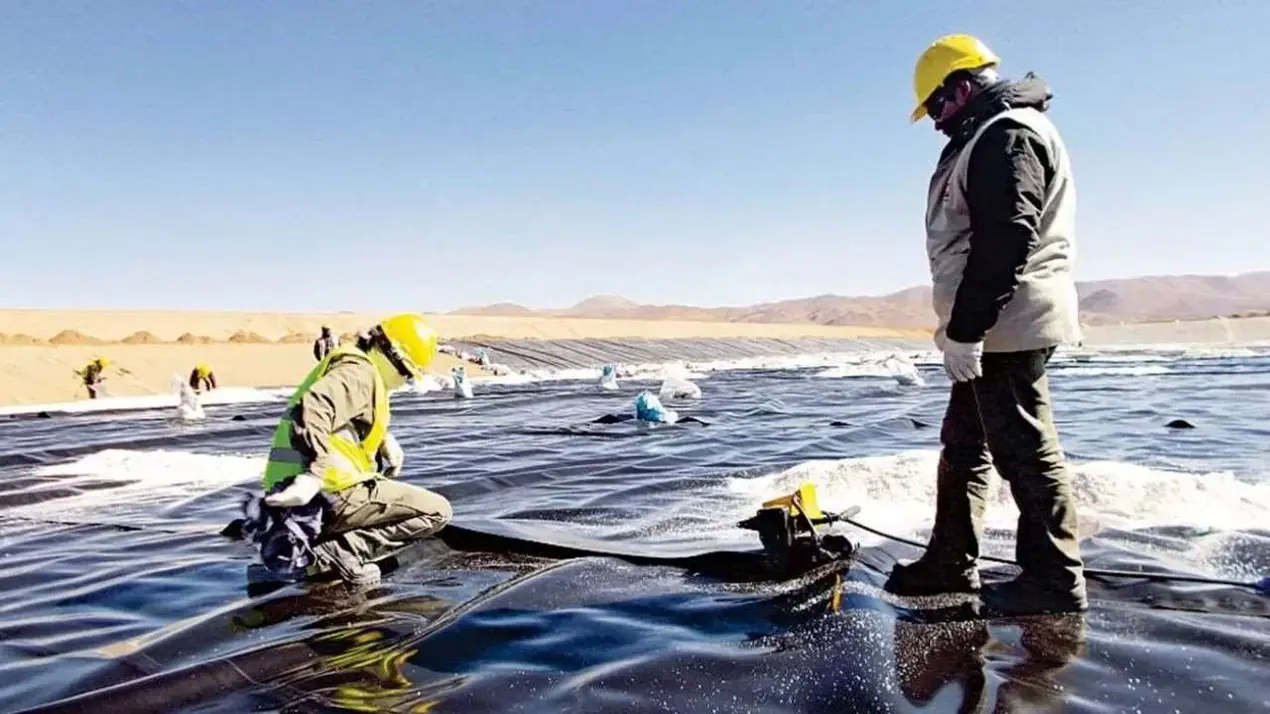
Argentina is projected to overtake Chile as South America’s leading lithium producer by 2035. The outlook is underpinned by a major €2.7 billion investment in the Pozuelos-Pastos Grandes project, led by Lithium Argentina in partnership with Ganfeng Lithium.
GEM Mining Consulting estimates that Argentina could reach an annual output of 481,000 tons of lithium carbonate equivalent in 2035, surpassing Chile’s projected 426,000 tons. The landmark Pozuelos-Pastos Grandes operation is expected to contribute 150,000 tons annually once fully operational, making it central to Argentina’s ambitions.
The expansion is driven by accelerating global demand for lithium, a critical component in batteries for electric vehicles and energy storage. As supply chains shift to accommodate the energy transition, Argentina’s emergence as a lithium leader could reshape pricing, trade flows and investment strategies in the sector.
For Europe, where battery manufacturing and electric mobility are key policy priorities, a more prominent Argentine lithium industry could offer new opportunities for sourcing and supply diversification. Latin American trade relations may also shift, as Argentina’s role in the global market strengthens relative to its regional peers.
However, the forecast depends on the successful delivery of the Pozuelos-Pastos Grandes project. Any delays or shortfalls could weaken Argentina’s position, while continued expansion of production in Australia and China may challenge South America’s market share.
If realised, increased lithium mining could bring significant economic benefits to Argentina, including job creation and export revenues. The growing strategic importance of lithium also raises geopolitical considerations, as countries and companies compete to secure long-term supply.