Argentina threatens Rockhopper CEO with jail over Falklands oil project
Buenos Aires escalates legal threats against Rockhopper and Navitas executives, raising risks for international oil operations in the disputed Falklands.

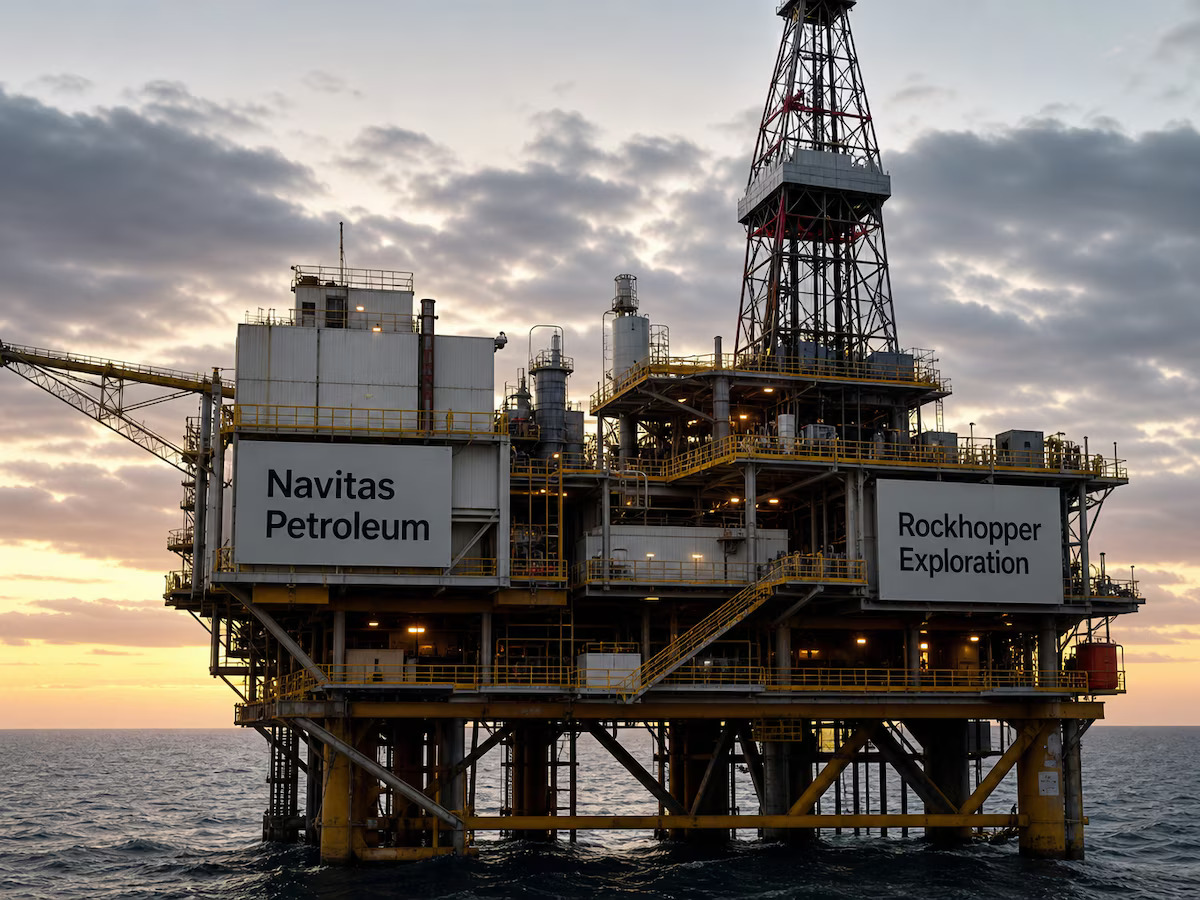
Argentina has issued legal threats against Sam Moody, CEO of Rockhopper Exploration, and the company's CFO over their roles in the Sea Lion oil project in the Falkland Islands, escalating tensions in the long-running sovereignty dispute with the UK.
On 1 September 2026, Argentina sent a formal legal notice warning Moody and Rockhopper’s CFO of potential criminal prosecution and imprisonment for their involvement in the Sea Lion project. The Argentine government has enacted legislation specifically criminalising the project, which Buenos Aires claims exacerbates the sovereignty conflict over the islands.
The Sea Lion project is expected to deliver an £8 billion uplift in revenues for the Falkland Islands government over its active lifetime, a figure that would more than double the territory’s GDP. The project is seen as critical for the islands’ economic future, with any suspension likely to lead to severe financial and social consequences for the local population.
Argentina has also imposed a 20-year ban on the Israeli company Navitas, a key partner in the Sea Lion venture, from operating in the country. The international dimension of the dispute has prompted the UK government to seek assurances from Interpol that no red notices will be issued for executives involved in the project.
The legal threats against company leaders raise broader concerns for international business operations in disputed territories. The withdrawal of Halliburton from the project amid mounting risks highlights the potential for legal and reputational hazards for foreign investors in politically sensitive regions.
A ruling by the International Tribunal for the Law of the Sea (Itlos) on Argentina’s application is expected on 28 November. The outcome will be closely watched by investors and policymakers, given the implications for future resource development and diplomatic relations between Europe and Latin America.