Bank collapse in Latin America exposes regulatory gaps, raises investor concerns
The collapse of a Latin American bank underscores vulnerabilities in the region's regulatory framework and threatens investor confidence.

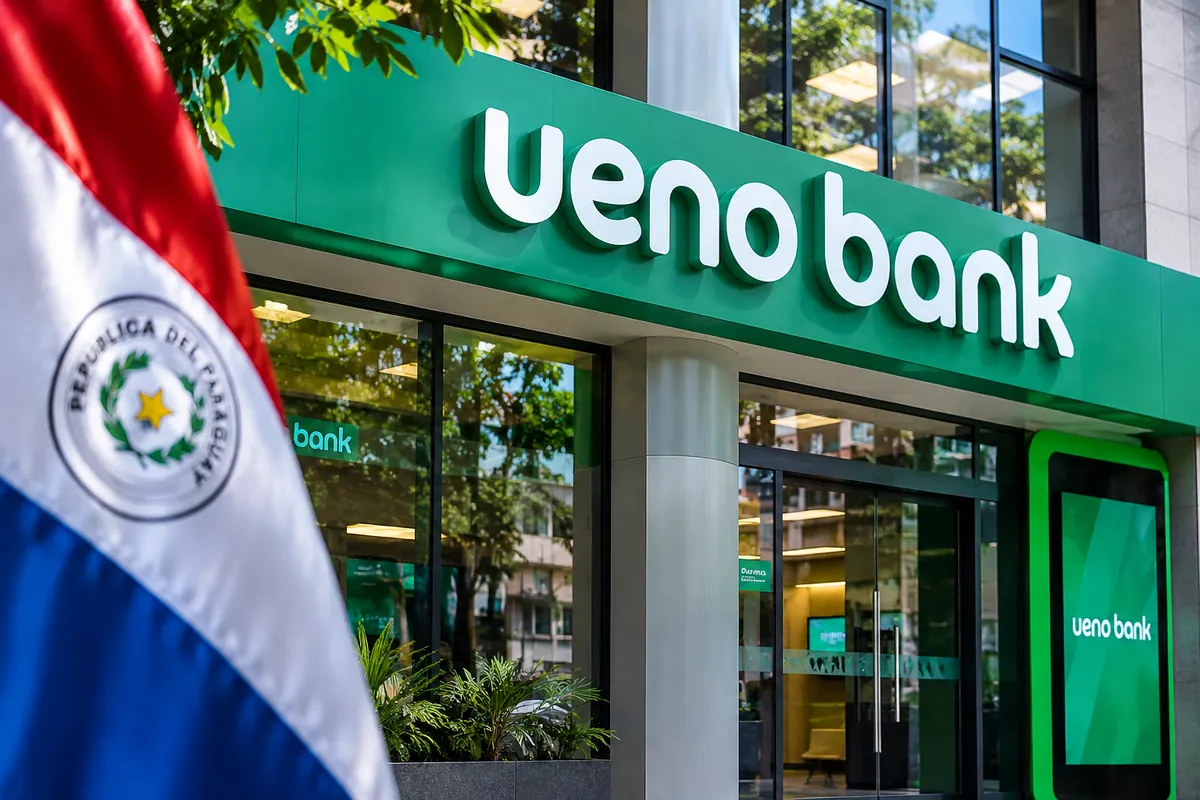
The sudden collapse of a prominent bank in Latin America has cast a spotlight on the region’s regulatory vulnerabilities, intensifying concerns over financial stability and the resilience of economic growth.
The bank’s failure has triggered fears of contagion and exposed weaknesses in oversight mechanisms that had been largely overlooked during the recent period of rapid economic expansion. The incident has prompted immediate questions about the adequacy of existing regulations and the capability of supervisors to anticipate and respond to systemic risks.
Investor sentiment across the region has weakened, with market participants now reassessing the risk profile of Latin American assets. Analysts warn that unless regulatory frameworks are swiftly reinforced, further instability could undermine the progress achieved by the region’s so-called star economies.
The collapse is expected to drive a wave of regulatory scrutiny, with policymakers weighing reforms to enhance financial oversight and restore market confidence. For European companies and investors with significant exposure to Latin America, the event serves as a reminder of the persistent risks associated with emerging markets, even those delivering strong headline growth.
Looking ahead, the outcome of ongoing regulatory debates will shape the investment climate across Latin America. While the crisis highlights the region’s vulnerabilities, it also presents an opportunity for governments to strengthen financial stability through targeted reforms.