Brazil Faces Uncertain Future as Presidential Vote Heads to Runoff
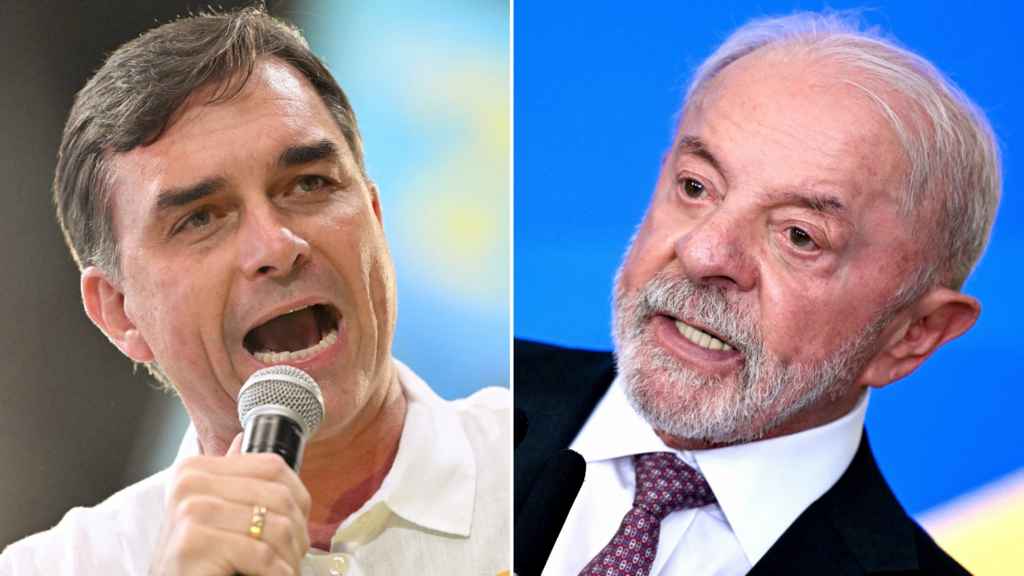
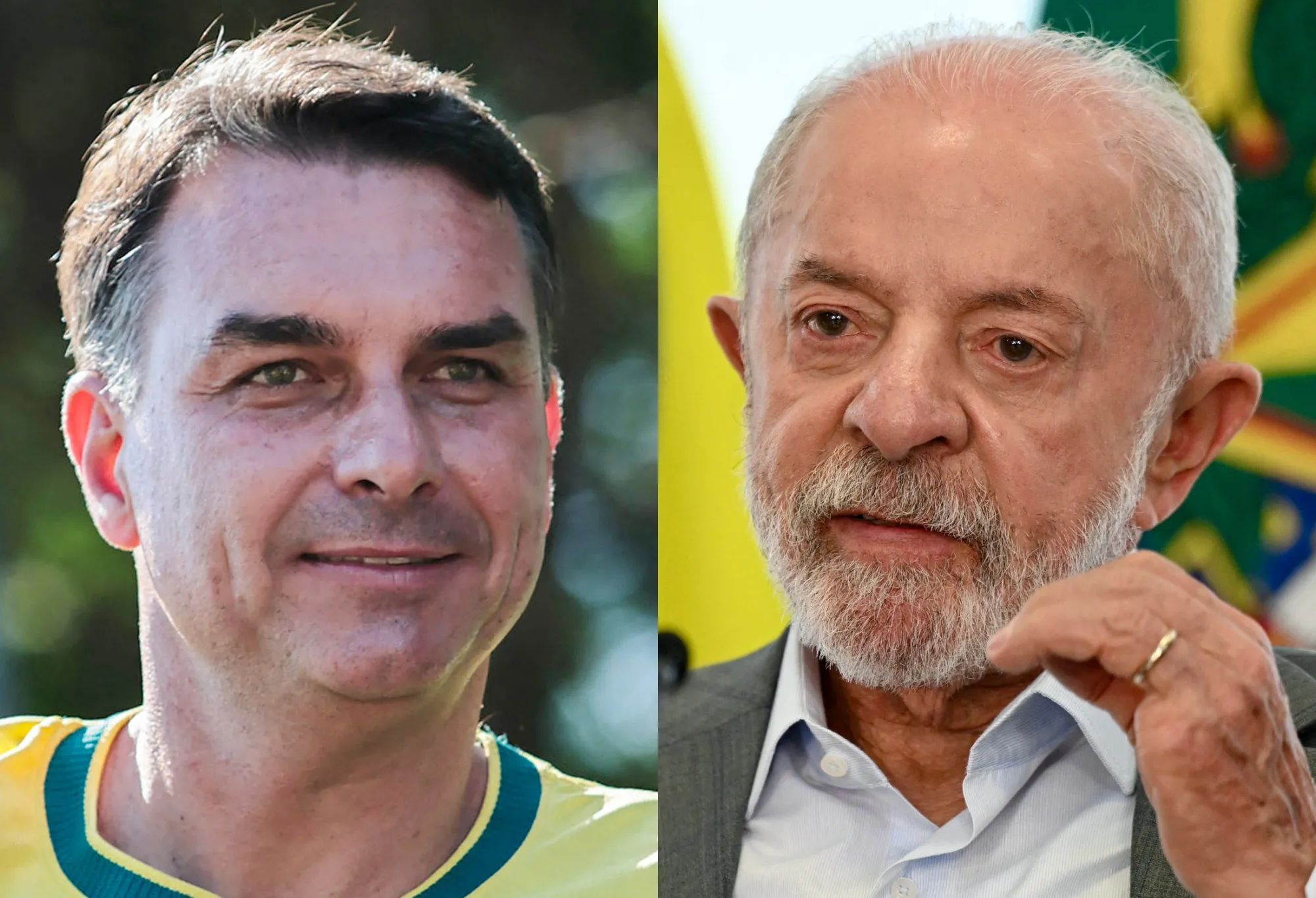
Brazil’s presidential election will be decided in a second round after high levels of voter rejection for both leading candidates, raising uncertainty for domestic policy and EU-Latin America relations.

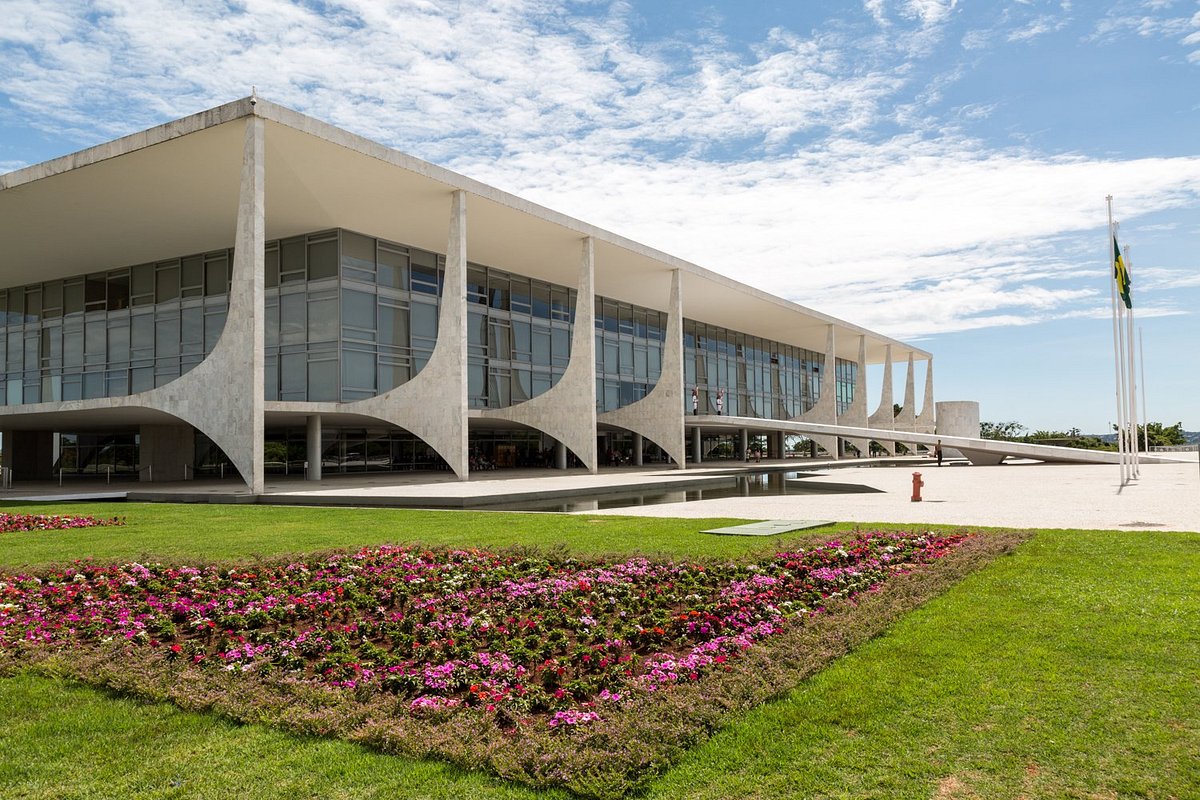
Brazil’s presidential election is headed for a second round after neither President Luiz Inácio Lula da Silva nor the main opposition candidate secured a majority in the first vote, according to official results.
Both contenders are facing unusually high levels of voter rejection, reflecting deep divisions within the electorate. Analysts say this dynamic could complicate future governance, regardless of who wins the runoff.
The result underscores the electorate’s dissatisfaction with the political establishment, as voters failed to deliver a clear mandate. With neither candidate commanding broad support, the next administration may struggle to implement reforms or address pressing economic and social challenges.
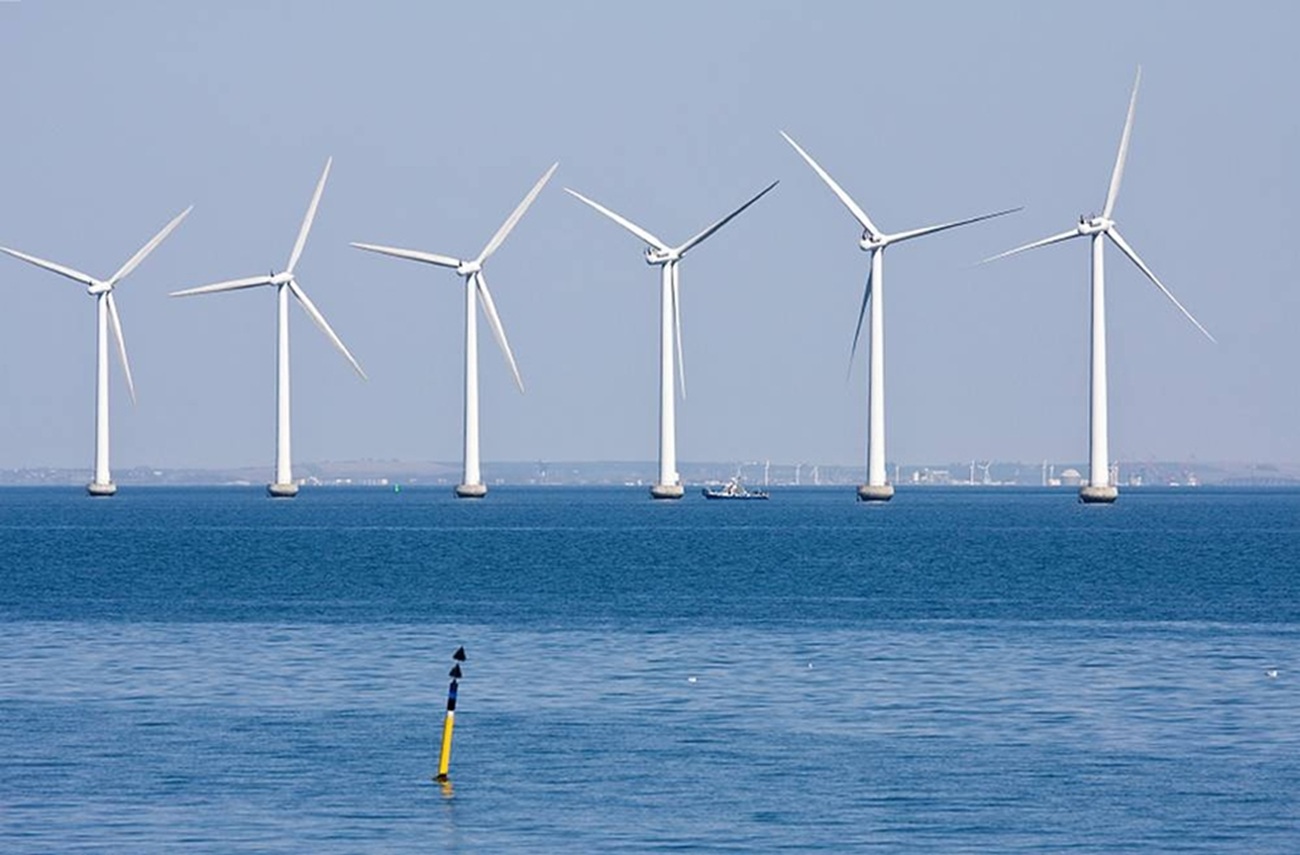
The outcome is pivotal for Brazil’s economic policies, which have direct implications for foreign investment and trade, especially with the European Union. Sectors ranging from agribusiness to energy are closely watching the process, as any political instability or shift in priorities could affect investment flows and regulatory certainty.
For European businesses and policymakers, the uncertainty heightens the stakes. Brazil is a crucial partner in Latin America, and changes in its leadership could influence ongoing trade negotiations, regulatory cooperation, and the broader EU-Latin America relationship.
Within Latin America, the election’s result may also shape regional alliances and the direction of trade and environmental policies. The prospect of a divided government raises questions about Brazil’s ability to lead regional initiatives or drive new agreements.
The transition period carries clear risks of political instability, with investors monitoring for signs of policy volatility. At the same time, a victory by a pro-business candidate could create opportunities for renewed EU engagement and deeper commercial ties.
Much will depend on how the candidates address voters’ concerns in the second round and their ability to build consensus in a polarized landscape. Observers note that sustained uncertainty could weigh on market confidence and delay investment decisions until a clearer policy direction emerges.