Brazil Heads for Decisive Lula-Bolsonaro Runoff After Right-Wing First-Round Lead
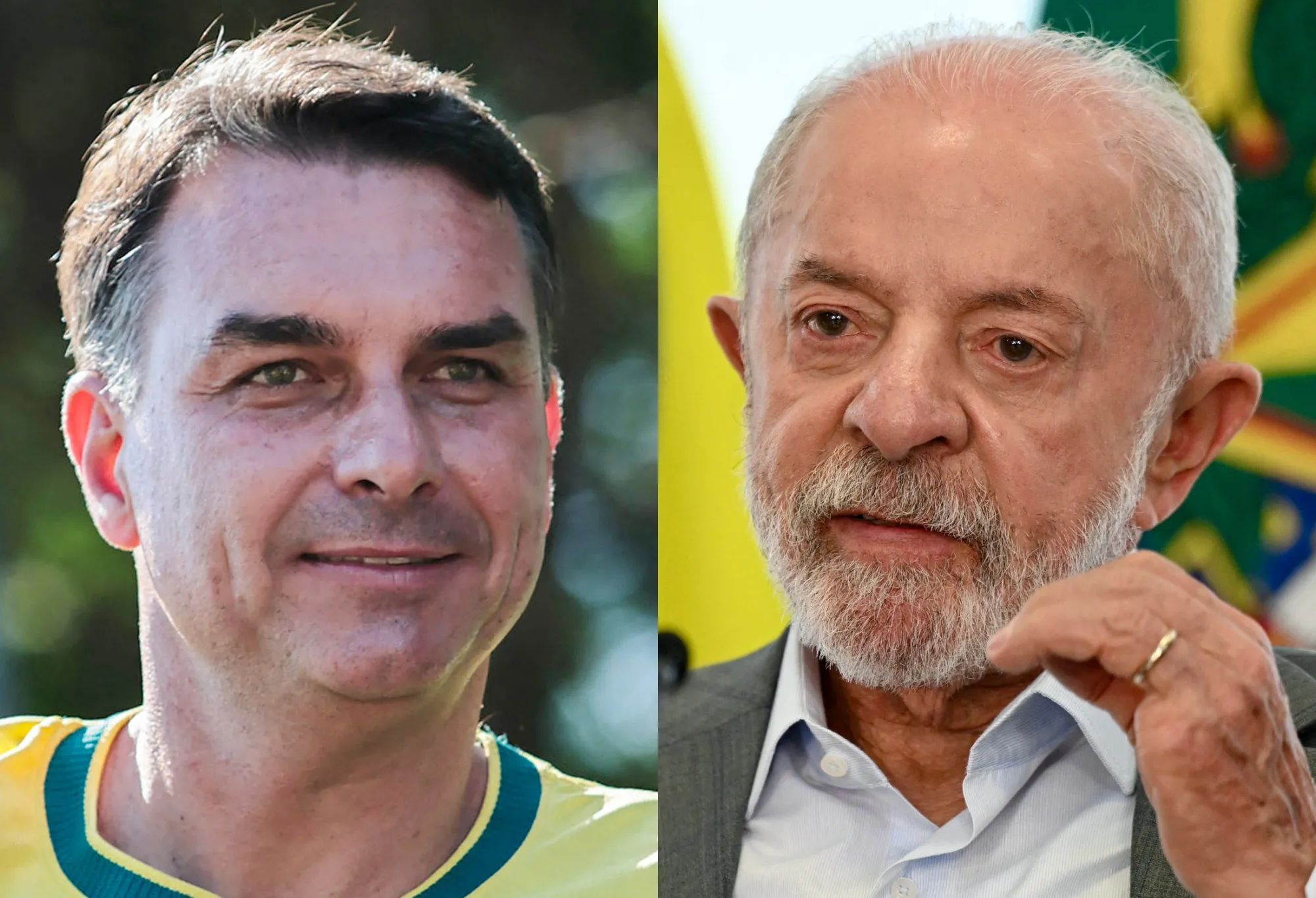
Flávio Bolsonaro secured 47.31% of valid votes against Luiz Inácio Lula da Silva’s 44.83%, leaving Brazil’s presidency to be decided on 25 October. The result opens three weeks of intense campaigning over economic management, public security, fiscal policy and the country’s international alignment.

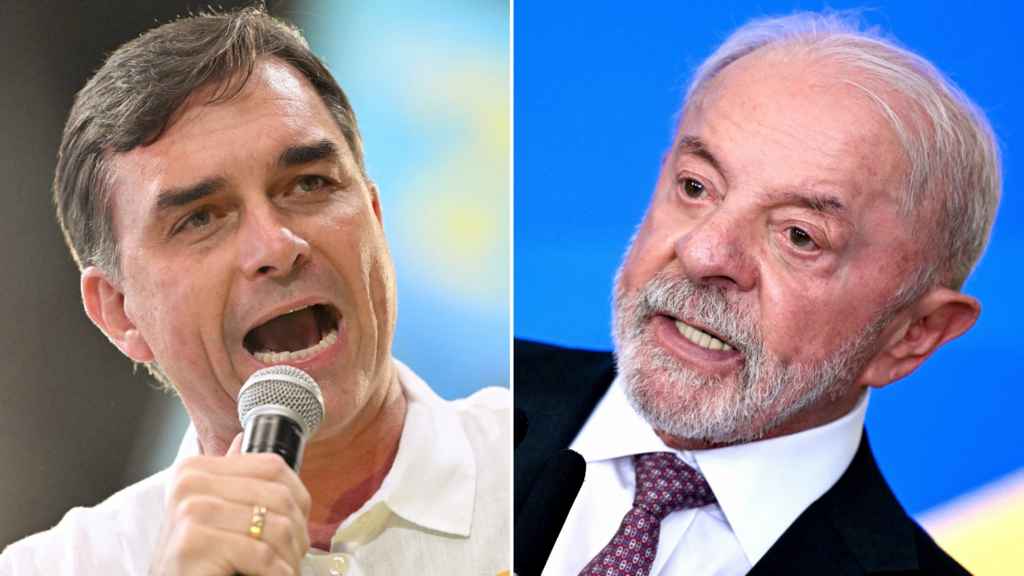
Brazil is heading into a closely contested presidential runoff after opposition senator Flávio Bolsonaro finished ahead of incumbent President Luiz Inácio Lula da Silva in the first round but failed to secure the majority required for an outright victory.
Bolsonaro, the candidate of the Liberal Party, received 47.31% of valid votes, while Lula, representing the Workers’ Party, obtained 44.83%. The two candidates will meet again on 25 October, when voters will decide who governs Latin America’s largest economy for the next four years.
The first-round result represented a stronger-than-expected performance for Bolsonaro. Most surveys published shortly before the election had placed Lula narrowly ahead, although they also anticipated that neither candidate would surpass the 50% threshold.
Instead, Bolsonaro led the national count and came within three percentage points of winning in the first round. His result demonstrated the continuing strength of the conservative movement built around his father, former President Jair Bolsonaro, while also exposing the difficulties facing Lula after four years back in office.
The runoff will now become a competition for voters who supported the remaining presidential candidates, abstained or cast blank and invalid ballots. With the two finalists separated by fewer than three percentage points, even relatively small shifts in turnout and regional support could prove decisive.
Economy and security dominate the campaign
Economic conditions are expected to remain central during the final stage of the campaign.
Brazil has recorded lower unemployment and reduced inequality, but many households continue to face elevated living costs and high levels of debt. Concerns over weak growth, government spending and public debt exceeding 82% of gross domestic product are also likely to influence businesses and financial markets ahead of the runoff.
Lula is expected to defend his social programmes and present his government as a safeguard for household incomes, employment and national sovereignty. His campaign has also emphasised Brazil’s independent foreign policy and its commercial relationships with China, Europe and other emerging markets.
Bolsonaro has concentrated his message on public security, fiscal discipline and dissatisfaction with the current administration. He has also called for a closer relationship with the United States and has argued that Brazil should seek stronger agreements covering trade, investment and critical minerals.
These contrasting positions could affect the country’s approach to privatisation, environmental regulation, taxation, public spending and relations with international investors.
Brazil plays a central role in global agricultural markets and is an important producer of iron ore, oil, niobium, lithium and rare-earth resources. It is also one of Europe’s most significant economic partners in Latin America, making the election relevant well beyond the country’s borders.
The eventual result could influence implementation of the European Union-Mercosur agreement, cooperation on climate and energy, and foreign investment in infrastructure, manufacturing and critical-mineral supply chains.
A campaign shaped by political polarisation
The second round will extend the political confrontation between two movements that have dominated Brazilian public life for more than a decade.
At 80, Lula is seeking a fourth non-consecutive presidential term. His challenger, 45-year-old Flávio Bolsonaro, is attempting to return the Bolsonaro political movement to the presidency after his father lost to Lula in 2022.
Jair Bolsonaro is serving a prison sentence following his conviction over an attempted coup after that election. Flávio Bolsonaro has pledged to seek his father’s release and restore his political rights, a commitment that is likely to remain one of the most divisive issues during the runoff campaign.
Both presidential candidates have also faced questions over corruption allegations and their relationships with figures involved in the Banco Master scandal. The controversy contributed to a campaign dominated by personal accusations, institutional disputes and public frustration with Brazil’s political establishment.
Public security has emerged as another central dividing line. Bolsonaro has promoted a tougher approach to organised criminal groups, while Lula has defended a strategy combining federal enforcement with social and economic policies.
Foreign relations have also entered the contest. Lula has accused external actors of attempting to influence Brazilian politics, while Bolsonaro has presented his proximity to the administration of US President Donald Trump as an opportunity to improve relations with Washington.
Markets face three weeks of uncertainty
The close result is likely to produce greater financial-market sensitivity to polling, endorsements and policy announcements during the final weeks of the race.
Investors will be watching for clearer commitments on Brazil’s fiscal framework, public debt, state-owned companies and economic growth. The composition of the newly elected Congress will also be important, as either president will need legislative support to advance reforms and approve spending plans.
The first round showed that Brazil remains almost evenly divided between two competing political and economic projects. Bolsonaro enters the runoff with the numerical advantage, but Lula retains a broad national coalition and strong support in the country’s northeast.
The outcome will depend on which candidate can expand beyond their established base, attract moderate voters and mobilise supporters who did not participate in the first round.
On 25 October, Brazilians will choose not only between Lula and another member of the Bolsonaro family, but between sharply different approaches to the economy, public security, environmental policy and Brazil’s position in an increasingly fragmented global order.