Latin America’s Wind Power Surge Hinges on Government Policy Support
Government policies are set to play a decisive role as Latin America targets a doubling of onshore wind capacity to 120 GW by 2035, led by Brazil and Mexico.

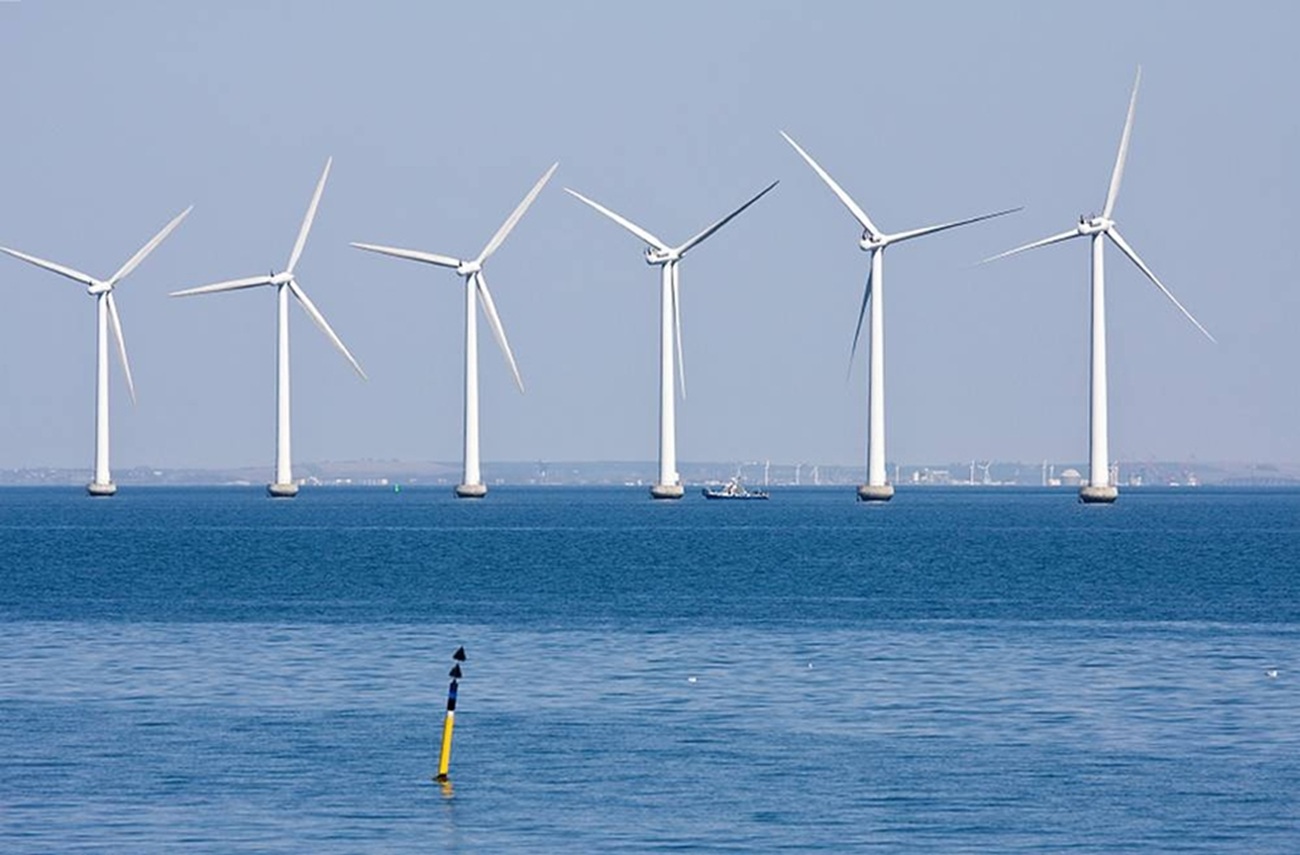
Latin America is positioned to double its onshore wind energy capacity to more than 120 GW by 2035, but the scale and speed of this growth will depend heavily on the effectiveness of government policies across the region, according to industry analysts and recent forecasts.
According to a recent report projects onshore wind capacity in South America could reach 83 GW by 2034, growing at an annual rate of 6.5%. The region had already surpassed 44.7 GW of installed wind capacity by 2022, with Brazil accounting for the lion’s share at 35 GW, making it the world’s fifth-largest onshore wind market.
Policy frameworks—ranging from permitting processes and grid access to fiscal incentives—have emerged as critical factors in accelerating or stalling wind energy projects. In Mexico, expected investment of $4 to $5 billion in wind energy by 2030 is closely tied to government targets and regulatory reforms, according to the Mexican Wind Energy Association. The sector currently supports an estimated 10,000 jobs, with new capacity additions expected to further boost employment and local manufacturing.
Argentina has also moved to strengthen its policy environment for renewables, with the International Finance Corporation announcing plans in March to finance the Olavarria Wind Farm—a $275 million project involving Acindar Industria Argentina de Aceros S.A.. The country’s wind power capacity now stands at nearly 4.6 GW, with additional projects in the pipeline dependent on continued policy and financial support.
Despite this momentum, challenges remain. Grid limitations and the risk of power oversupply threaten sustained growth in major markets like Brazil and Chile. According to the Global Wind Energy Council (GWEC), insufficient infrastructure and slow permitting procedures could delay project timelines and dampen investor confidence.
Analysts point to the potential for public-private partnerships to address these bottlenecks, particularly in expanding grid infrastructure and integrating renewables. The ongoing development of offshore wind capacity may further diversify the region’s energy mix, opening new markets and investment opportunities if governments establish clear regulatory pathways.
For Europe and international investors, Latin America’s wind energy expansion represents both a source of demand for technology and services, and a partner in global decarbonisation efforts. The region’s success will depend on how effectively policymakers can balance regulatory stability, infrastructure investment and sectoral incentives in the coming decade.