Voter Turnout Emerges as Decisive Factor in Brazil’s Lula–Bolsonaro Election
High voter turnout could determine whether President Lula or Senator Flávio Bolsonaro secures a first-round win or if Brazil heads for a runoff, with major implications for EU trade ties.

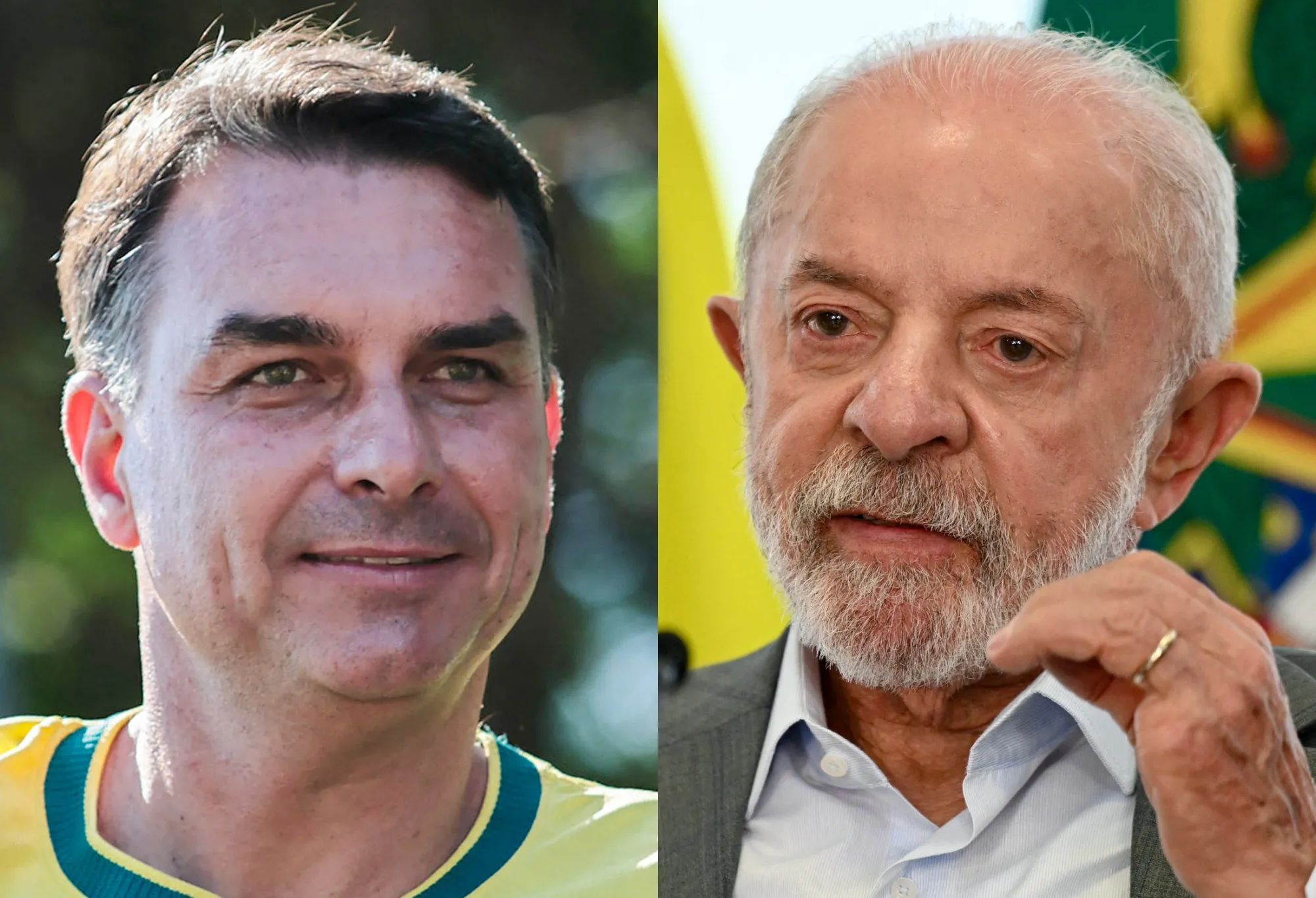
Brazil is witnessing a closely fought presidential election as President Luiz Inácio Lula da Silva faces off against Senator Flávio Bolsonaro and several smaller-party contenders. Analysts say voter turnout will be pivotal in determining whether the race is decided in Sunday’s first round or proceeds to a runoff on October 25.
Under Brazilian electoral rules, a candidate must secure more than half of valid votes to avoid a second round. With polls predicting a tight contest, the participation rate could tip the balance, especially given the fragmented field that includes multiple minor candidates.
A high turnout typically benefits candidates with broader national appeal, such as Lula, while lower participation rates can amplify the influence of highly motivated voting blocs, a scenario that may favour Bolsonaro. Bloomberg notes that both campaigns have mobilized significant resources to boost turnout, particularly in key urban and rural strongholds.
The stakes extend beyond domestic politics. The election’s outcome could reshape Brazil–EU economic relations, especially regarding trade in agriculture and energy. The future president will also set the tone for environmental policy, a central issue in negotiations with Brussels and a critical factor for European investors.
For Latin America, the result may influence regional alliances and the trajectory of trade agreements, with Brazil’s stance carrying significant weight across the continent. The uncertainty surrounding economic and foreign policy directions has prompted businesses and policymakers to closely watch turnout figures and the possibility of a runoff.
Concerns about foreign interference have surfaced as officials seek to safeguard the electoral process, though no major incidents have been reported as of election day. The election’s integrity and outcome are expected to shape investor confidence and the pace of future reforms.
Should the vote head to a runoff, both campaigns are expected to intensify efforts to capture support from voters whose first-round choices were eliminated, making turnout in the second round equally decisive for Brazil’s political and economic direction.