
Brazil’s Exports Rise 10.4% as Europe and India Drive Market Diversification
Brazil exported approximately €254.9 billion in goods between January and September, supported by rapidly expanding sales to India, Europe, Africa and other emerging destinations despite weaker trade with the United States and Argentina.

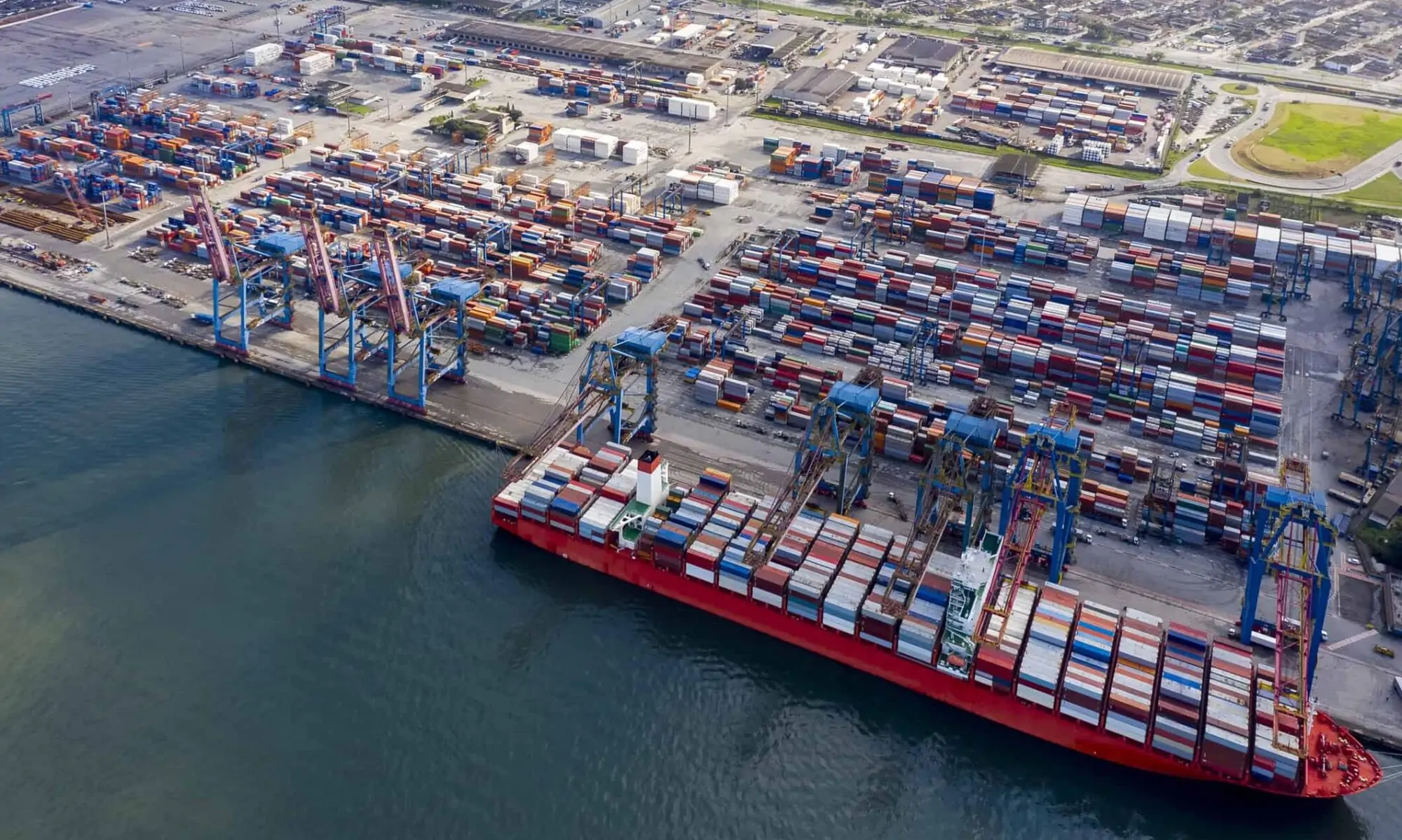
Brazil’s efforts to diversify its international trade are beginning to reshape the geographical distribution of its exports, reducing the country’s reliance on some of its traditional commercial partners.
Exports increased by 10.4% year-on-year to approximately €254.9 billion between January and September 2026, according to data from the Foreign Trade Secretariat, known as Secex, within Brazil’s Ministry of Development, Industry, Trade and Services.
India recorded the strongest growth among Brazil’s principal export destinations, with sales rising by 85.5%. Shipments to European markets increased by 20.2%, while exports to Oceania advanced by 20.8%. Central America and the Caribbean registered growth of 14.9%, and Africa posted a 9.7% increase.
Those gains offset weaker performances in two established markets. Brazilian exports to the United States declined by 6.5% during the nine-month period, while shipments to Argentina fell by 18.5%.
The figures illustrate how Brazil’s exporters are building a broader international footprint at a time when tariffs, geopolitical tensions and supply-chain disruptions are increasing the risks associated with excessive dependence on individual markets.
“The numbers show that Brazilian exporters are gaining more space around the world,” said Laudemir Müller, president of the Brazilian Trade and Investment Promotion Agency, ApexBrasil. “We are growing in India, Europe, Africa, the Middle East and Central America. Opening and diversifying markets is the best way to protect Brazil from fluctuations involving specific partners.”
Brazil accumulated a trade surplus of approximately €55.9 billion during the first nine months of the year. Total trade flows, combining exports and imports, reached around €454 billion, an increase of 8% from the corresponding period of 2025.
India Emerges as a Major Growth Market
Brazilian exports to India almost doubled during the period, increasing from approximately €4 billion to €7.4 billion. The expansion added about €3.4 billion to bilateral trade and positioned India among the markets making the largest contribution to Brazil’s export growth.
For Brazilian companies, India offers a market of more than 1.4 billion people with expanding demand for energy, food, minerals and industrial inputs.
“The growth of more than 85% in sales to India is not accidental,” Müller said. “It is a market of 1.4 billion people that sees Brazil as a reliable partner.”
China nevertheless remained Brazil’s largest export destination. Shipments to the country reached approximately €75.8 billion between January and September, representing a 12% annual increase.
Other Asian markets also expanded their purchases. Brazilian exports rose by 14.2% to Japan, 12.1% to Singapore and 25.8% to Bangladesh, reinforcing Asia’s importance to the country’s external trade.
Growth across Europe was distributed among several markets. Exports increased by 16.6% to the Netherlands, 31.7% to Italy, 37.3% to Türkiye, 73.5% to Poland and 15.8% to Germany.
Copper ores, soybeans, gold, crude oil and beef were among the products supporting the expansion. The figures suggest that Europe is becoming increasingly important not only as a market for Brazilian agricultural goods, but also for energy and mineral commodities considered essential to industrial supply chains.
Africa also gained ground. Exports to Egypt rose by 25.2%, while sales to South Africa increased by 28%, led by soybeans, iron ore, maize and live animals.
In Central America and the Caribbean, exports to Panama advanced by 47.9%, accompanied by significant growth in the Dominican Republic, Honduras and El Salvador. Middle Eastern markets also expanded, with shipments rising by 13.8% to Saudi Arabia, 54.9% to Jordan and 7.4% to the United Arab Emirates.
US Sales Recover in September
Although Brazilian exports to the United States remained lower across the first nine months of the year, September provided a more encouraging signal.
Monthly exports to the US reached approximately €3.2 billion, an increase of 31.9% from September 2025. Beef, aircraft and coffee were the principal drivers of the rebound.
Müller said the improvement demonstrated the resilience of Brazilian companies and continued demand among US buyers despite the higher tariffs introduced by Washington.
Brazil’s total exports reached approximately €30.8 billion in September, 12.9% more than one year earlier. The country recorded a monthly trade surplus of around €6.9 billion.
Extractive-industry exports increased by 39.8% during the month, while manufacturing rose by 5.3% and agricultural shipments expanded by 4.8%.
The country’s export portfolio also became more diverse. Beef sales increased by 14.1% during the first nine months of the year, adding approximately €1.4 billion. Poultry exports rose by 20.7%, soybean-meal shipments by 21.3% and fuel-oil exports by 32.6%.
In September alone, exports of aircraft and components increased by 41.9%, while pulp shipments advanced by 27.4%.
Within agriculture, soybean exports rose by 14.9%, cotton by 15%, fruit by 20.9% and live animals by 71.7%. Crude-oil exports increased by 28.6% over the nine-month period.
The results show that Brazil’s export growth is no longer being supported by a single product or destination. The combination of agricultural commodities, energy, minerals and manufactured goods is allowing the country to deepen its presence across several regions simultaneously.
Maintaining that trajectory will depend on Brazil’s ability to continue opening markets, improve logistics and turn stronger commercial relationships into more stable, long-term access for its exporters.