EU postpones methane rules for fossil fuel imports to 2029 amid supply concerns
The EU has delayed its methane reporting rules for fossil fuel imports by two years to address supply risks linked to Middle East tensions.

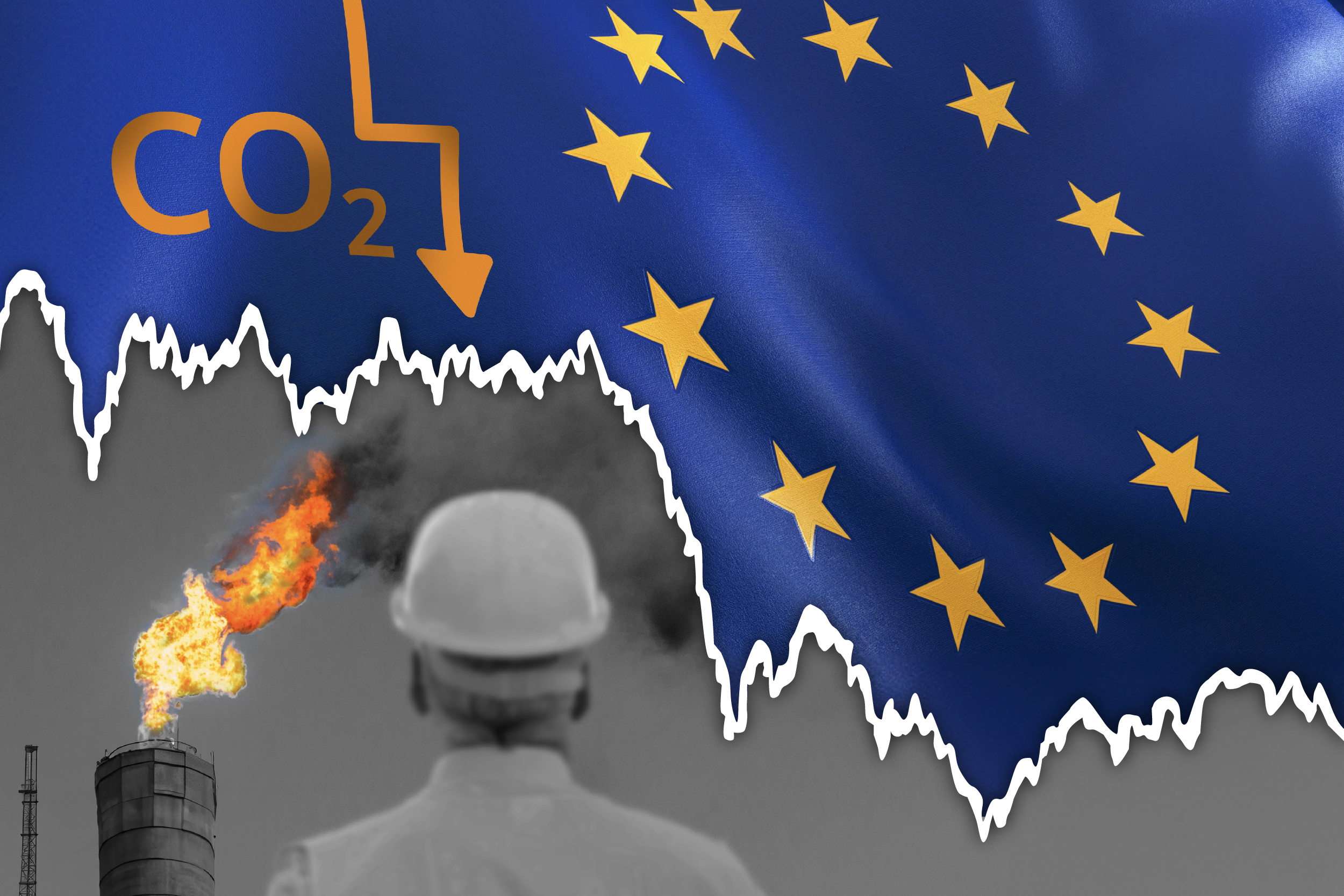
The European Union has postponed the implementation of its methane reporting requirements for fossil fuel imports by two years, moving the effective date to 2029 as energy supply fears mount amid ongoing conflict in the Middle East.
The decision, agreed by the European Parliament and EU member states, follows pressure from major exporters such as the United States and Qatar. The delay comes as the EU faces heightened risk to its energy supply chain, with the U.S. and Israeli war with Iran disrupting flows and raising concerns over the availability of compliant natural gas and oil.
The postponed rules will require all suppliers and buyers to report the methane intensity of fossil fuels entering the EU market. Methane, which makes up 100% of natural gas, is a potent greenhouse gas. The regulations were originally set to take effect in 2027, but industry and diplomatic sources cited in OilPrice.com indicated that energy security considerations took precedence.
In June, U.S. Energy Secretary Chris Wright and Qatari Energy Minister Saad al-Kaabi warned in a joint letter that many suppliers may struggle to comply with the original timeline. The letter highlighted the risk of market instability if compliant supply could not be guaranteed in the short term.
For European energy policy, the delay offers breathing room to negotiate with key suppliers and avoid immediate disruptions. It also provides exporters more time to develop practices that will meet the regulation when it takes effect in 2029. However, the decision risks prolonging the bloc’s reliance on fossil fuel imports without strict methane oversight, potentially undermining longer-term climate objectives.
The move underscores the geopolitical complexity facing the EU as it balances climate ambitions with urgent supply needs. The coming years will test whether dialogue with suppliers produces workable solutions before the new deadline, or if the region’s energy security will continue to shape its environmental policies.