European spacetech companies secure €2.8bn in H1 2026 as France and Finland lead investment
European spacetech companies attracted €2.8 billion in H1 2026, with France and Finland leading a sector driven by satellite and launch innovation.

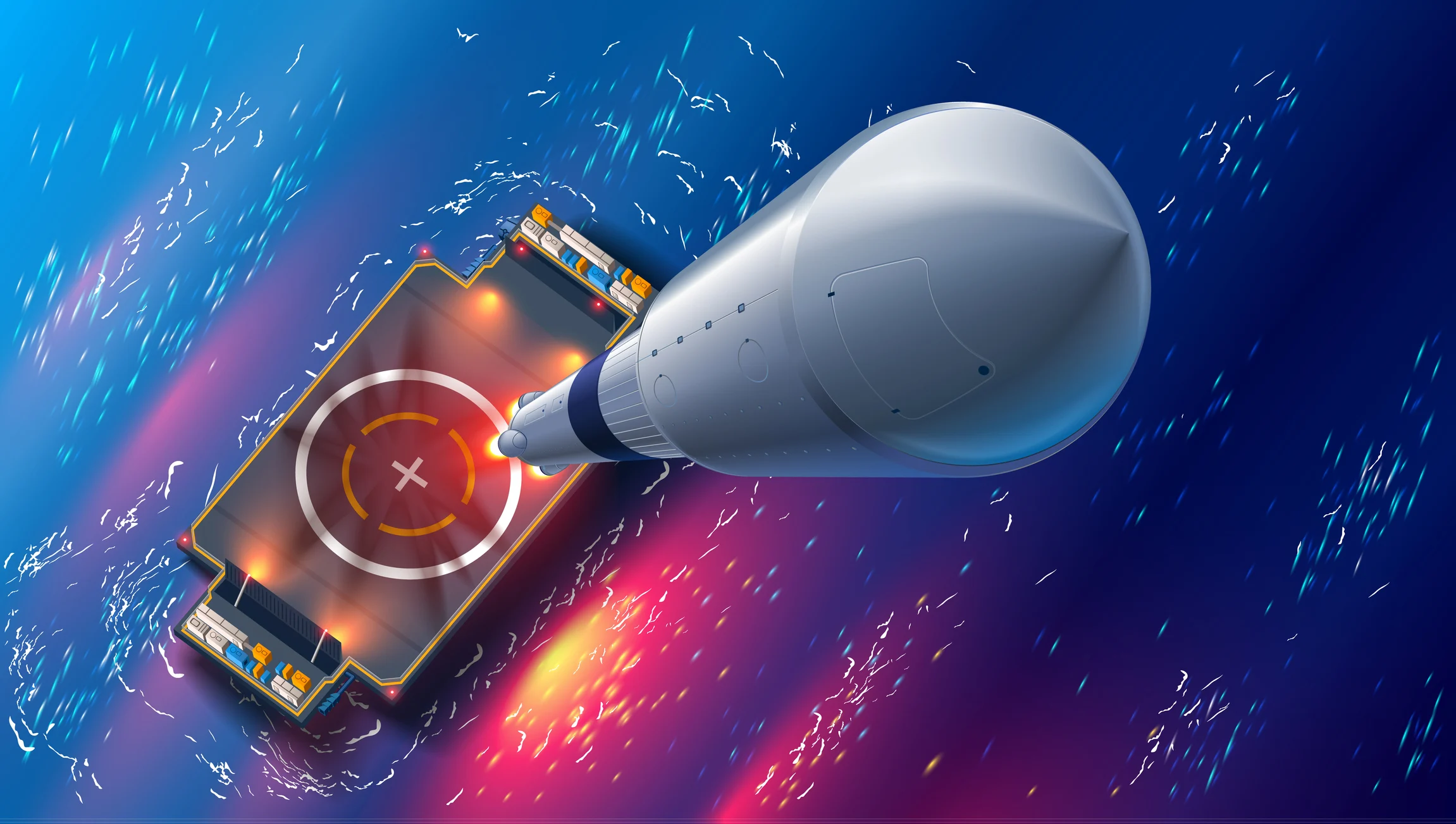
European spacetech companies attracted approximately €2.8 billion in funding during the first half of 2026, underscoring robust investor confidence in the sector. The capital surge was especially concentrated in satellite infrastructure, space intelligence, launch services, and advanced propulsion technologies.
The latest data show that France and Finland led in investment volume, reflecting both countries' strong positions in the European spacetech ecosystem. Germany and Spain followed, though the lion's share of funding was consolidated in a handful of large transactions.
This influx of capital is expected to drive further advancements in satellite technologies and launch capabilities, potentially intensifying competition and shifting market dynamics within Europe. For investors, the concentration of funding suggests both opportunity and risk: while large deals can accelerate innovation, they may also signal an over-reliance on a few key players, exposing the sector to market volatility.
The focus on satellite infrastructure and launch services points to ongoing demand for connectivity and Earth observation capabilities, areas where European companies are seeking to challenge global competitors. The heavy investment in France and Finland may also influence future technological collaboration and regional policy priorities.
Emerging companies developing new technologies could benefit from this positive funding environment, but the dominance of large deals might make it harder for smaller firms to access capital. As the sector evolves, market observers are watching closely to see whether this momentum continues in the second half of the year and how it will impact the broader European and global spacetech landscape.