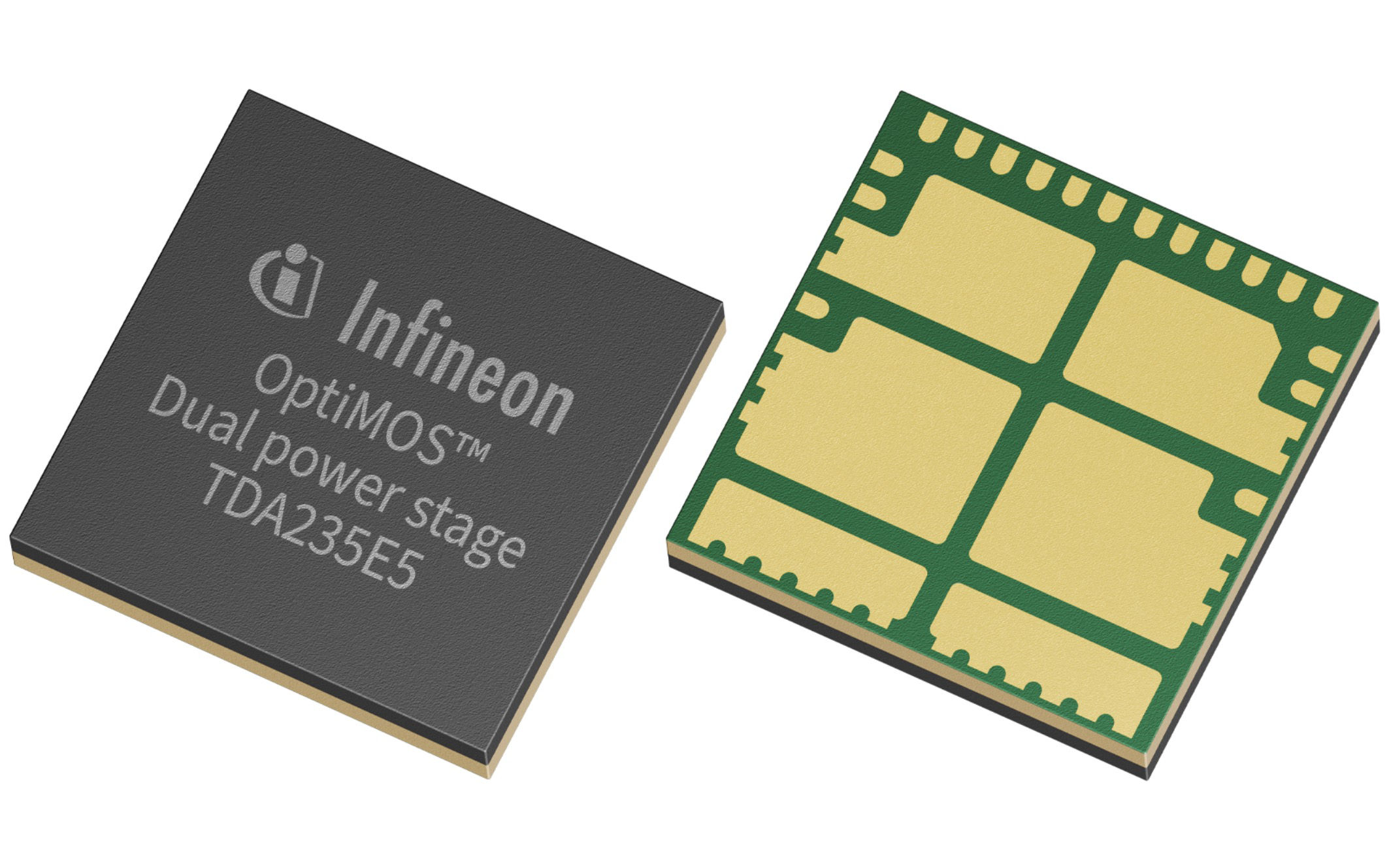
Infineon expects AI data centre demand to surge despite environmental backlash
Infineon forecasts 20% sales growth on ongoing AI data centre expansion, downplaying U.S.-centric environmental concerns.

Infineon expects global demand for semiconductors used in AI data centres to remain robust, even as environmental and economic criticism of the sector intensifies, particularly in the United States.
On Tuesday, the German chipmaker reported a 12% rise in revenue for its fiscal year ending September. The company now forecasts sales growth of 20% in the current year, citing AI infrastructure as a primary driver.
Chief executive Jochen Hanebeck said the backlash against data centre expansion is largely a "rather American-centric topic" and predicted it would not significantly hinder global investment in AI infrastructure. While environmental concerns and rising energy costs have sparked local opposition in the U.S., Hanebeck suggested these challenges are unlikely to slow the broader international momentum for data centre projects.
Infineon's positive outlook comes as governments and investors scrutinise the environmental impact of AI data centres, which are heavy consumers of electricity and water. The company sees continued opportunities for growth in regions outside the U.S., where economic incentives and regulatory frameworks remain supportive.
Analysts note that the rising demand for power chips and energy-efficient technologies positions Infineon strongly in the international semiconductor market, even if regulatory pressures escalate. The company’s performance underscores the sector’s resilience in the face of mounting sustainability debates.
For Europe and Latin America, Infineon’s stance signals that regional expansion in AI infrastructure is likely to proceed, potentially attracting further investment and technology transfer. However, ongoing scrutiny may prompt policymakers to balance economic gains with environmental safeguards as the market develops.