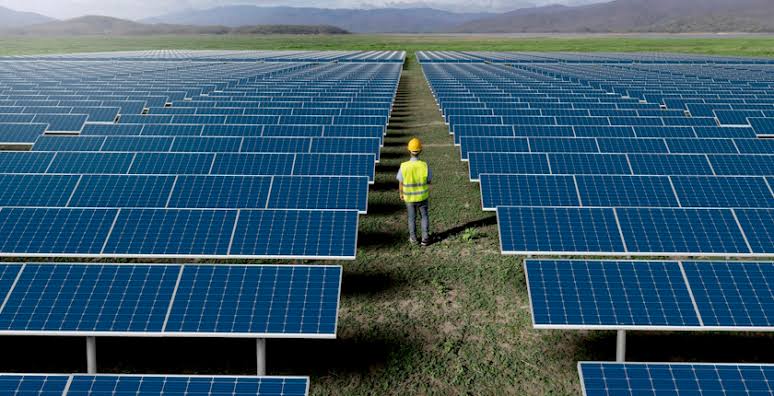
Itaipu explores up to 1 GW of solar to bolster Paraguay’s grid as hydropower faces 2029 shortfall
Itaipu’s study on adding up to 1 GW of solar could address Paraguay’s future energy gaps as hydropower risks falling short by 2029.

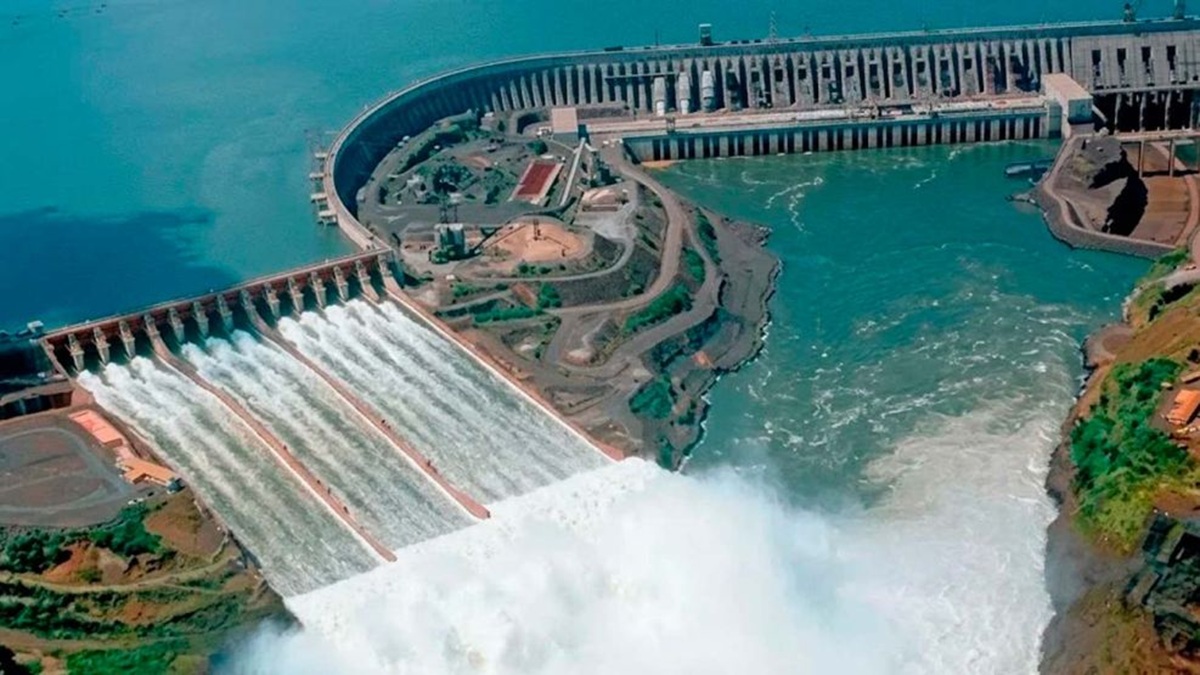
Itaipu has conducted a study examining the integration of between 100 MW and 1,000 MW of solar photovoltaic capacity into Paraguay’s electricity system, in a move aimed at addressing rising demand and the risk of insufficient hydropower as soon as 2029.
The study, presented by Manuel Sosa Ríos of Itaipu’s Technical Directorate at the Cigre Energy Forum 2026 in Calgary, comes as Paraguay’s hydropower-dominated grid faces the prospect of capacity shortfalls. Paraguay currently operates with 8,800 MW of hydropower, chiefly from Itaipu’s 7,000 MW, Yacyretá’s 1,600 MW, and Acaray’s 200 MW.
Forecasts highlighted in the study suggest that, unless supplemented, Paraguay’s hydropower could become inadequate to meet demand by 2029. The research identifies potential risks to grid stability, such as inter-area electromechanical oscillations at frequencies between 0.33 Hz and 0.41 Hz, and notes a 4.96% negative damping in the baseline model without solar integration.
Integrating up to 1 GW of solar power could help stabilize Paraguay’s grid, diversify its energy mix, and reduce the risks associated with heavy reliance on hydropower. The move may also open the door for new investments in renewable energy infrastructure and battery storage systems, which could further enhance grid resilience.
For Latin America, the findings serve as a reference for other nations with similarly hydro-dependent grids, underlining the importance of diversifying energy sources to ensure long-term stability and energy independence. However, the study cautions that improper management of solar integration could introduce new instabilities, and that solar generation alone may not fully offset a decline in hydropower output.
Further policy development and investment decisions, particularly regarding battery storage and system upgrades, will be crucial as Paraguay navigates the transition to a more balanced and secure energy portfolio.