Guyana Faces Scrutiny Over Distribution of Surging Oil Revenues
Guyana’s oil boom has delivered record growth and revenues, but the country’s rapid transformation has intensified debate over how profits are shared and managed.


Guyana has emerged as one of the world’s fastest-growing economies, propelled by a dramatic expansion of its offshore oil industry, yet the distribution of this newfound wealth remains a point of contention among policymakers, economists, and local communities.
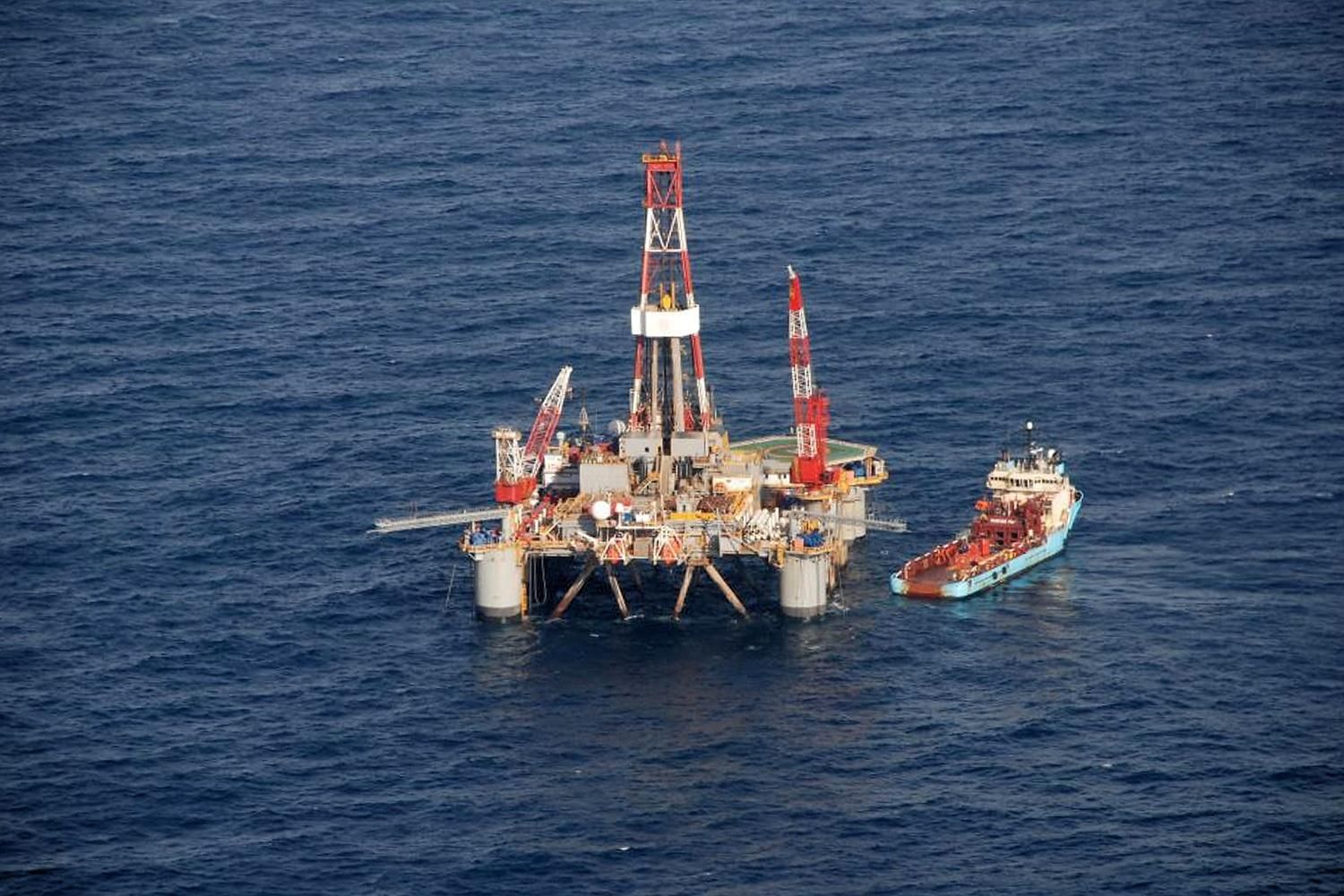
Oil was first discovered in the Stabroek Block in 2015, with production commencing in December 2019. Since then, output has soared to over 900,000 barrels per day (bpd), with production expected to surpass one million bpd by the end of 2024. According to industry estimates, oil revenues are projected to reach $6.50 billion in 2026, while the Natural Resource Fund—the country’s sovereign wealth vehicle—is set to exceed $3.1 billion by the end of 2024.
This windfall has delivered extraordinary economic results. Guyana’s GDP surged by 63.3% in 2022, 33.8% in 2023, and is forecast to rise 43.6% in 2024 and 20.8% in 2026. The government, led by Minister of Natural Resources Vickram Bharrat, aims to ramp up production to 1.3 million bpd by 2027 and 1.7 million bpd by 2030.
Foreign investment, notably by ExxonMobil, has been pivotal. Local businesses received an estimated $3.6 billion between 2019 and 2025, and the $12.7 billion Uaru project is expected to further boost output. The government has also earmarked $100 million for workforce and healthcare development, and plans to construct 40,000 homes over five years.
Despite these gains, persistent questions remain over equitable profit sharing and the management of oil revenues. Economists such as Richard Rambarran and Thomas Singh have warned that infrastructure gaps and living standards have not improved for all citizens, even as aggregate wealth surges. Business leader Gerry Gouveia Jr. highlights the risk that rapid growth could exacerbate inequality without robust oversight.
Corruption and transparency are cited as key risks. The scale of revenues entering government coffers has prompted calls for more rigorous oversight of the Natural Resource Fund and for clear mechanisms to ensure that oil wealth benefits broader society. Comparisons to models in Norway and Brazil have intensified the debate, with policymakers weighing how to avoid the pitfalls seen in other resource-rich economies.
The stakes are high for investors and local industries. Sectors such as construction, logistics, and financial services have benefited from the oil boom, but long-term stability will depend on the government’s ability to manage revenues and address social demands. Failure to do so could threaten investor confidence and the sustainability of growth.
As Guyana approaches high-income status, the debate over oil revenue distribution is set to define its economic and political trajectory for years to come.