Atlas' Malacacheta Becomes South America's Largest Graphite Project, Raising Stakes in Global Supply
Atlas Critical Minerals' Malacacheta project in Brazil now holds South America's biggest graphite resource, strengthening Brazil's role in the battery metals supply chain as global demand for graphite accelerates.

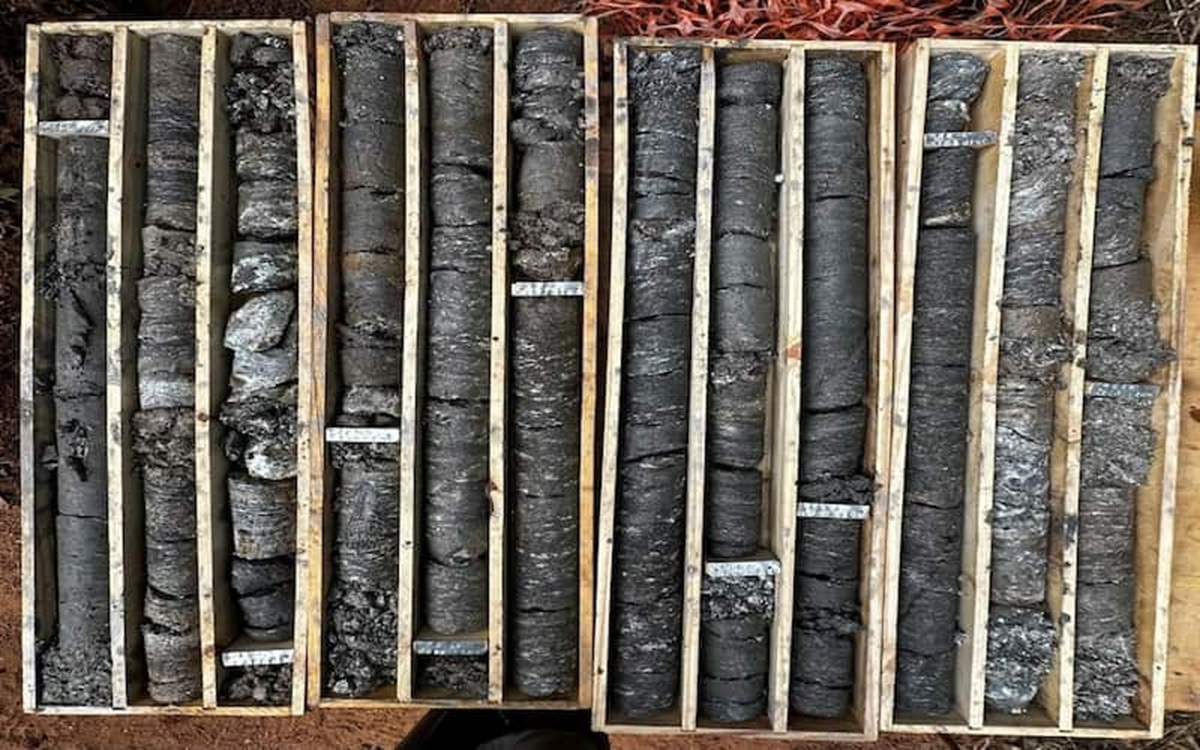
Atlas Critical Minerals has announced its Malacacheta project in Brazil as the largest graphite resource in South America, following an initial estimate of 17.2 million indicated tonnes grading 5.73% graphitic carbon (Cg), equivalent to about 986,000 tonnes of contained graphite.
The project, located in Minas Gerais state, also boasts 7 million inferred tonnes at 5.4% Cg, representing another 378,000 tonnes of contained graphite, according to the company’s statement on September 29, 2026. This resource estimate positions Atlas competitively in the context of surging demand for graphite, a key component in lithium-ion batteries.
Brazil, which produced 65,000 tonnes of graphite last year, is already the leading producer in South America and ranks fourth globally. The scale of Malacacheta could further enhance Brazil’s role as a supplier of critical minerals, a list that already includes niobium, rare earths, and lithium. For investors and manufacturers, the development signals a potential new anchor for graphite supply chains in the Americas, reducing reliance on Asian sources amid rising geopolitical and trade tensions.
With a market capitalization of $15.1 million and shares trading at $2.98 (C$4.23), Atlas joins a handful of companies active in the region’s graphite sector, including Graphite One and South Star Battery Metals. The size of Malacacheta’s resource puts it ahead of competitors such as Graphite Creek and Santa Cruz, raising the stakes for future partnerships and joint ventures among mining and battery manufacturers.
The implications extend beyond Atlas’ immediate prospects. As demand for battery metals rises, particularly from the electric vehicle and energy storage sectors, Malacacheta’s scale could attract new investment into Brazil’s mining industry. However, the project faces risks from market volatility affecting graphite prices and from Brazil’s regulatory landscape, which could influence timelines and costs.
For Europe, which is actively seeking to diversify sources of battery materials, Malacacheta’s emergence is likely to draw attention from automakers and policymakers working to secure stable supplies. For Latin America, the project represents another step in the region’s efforts to add value to its mineral wealth and participate more deeply in global clean energy supply chains.