
Latin American banana producers demand higher pay as climate crisis slashes yields and exports
Banana farmers across Latin America face declining yields and exports as the super El Niño intensifies climate-related challenges, sparking calls for fairer pay.

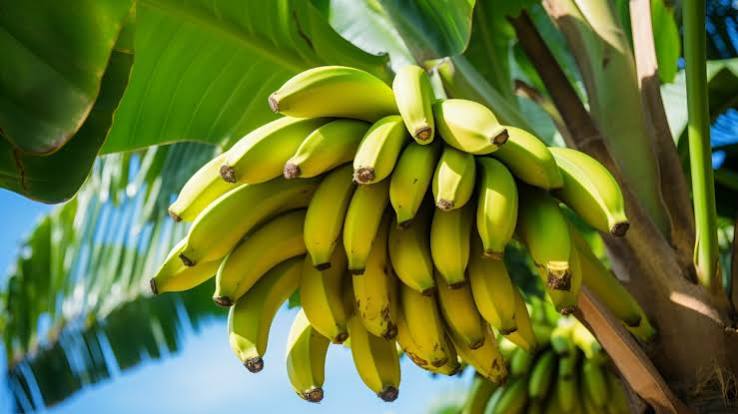
Banana producers in Latin America are calling for higher payments and improved trading conditions as climate change and the current super El Niño event drive down yields and exports across the region.
According to the Fairtrade Foundation, extreme weather linked to the super El Niño has led to significant production drops in key banana-exporting countries, including Colombia, Peru, and Ecuador. During the previous El Niño cycle, Fairtrade research found that productivity fell by 13% in the Dominican Republic, 22% in Ecuador, and 6% in Peru. The impact this year has been even more pronounced, especially in Colombia.
The Association of Banana Growers of Magdalena and La Guajira reported that exports from the Colombian Caribbean region dropped by 32% to approximately €109 million between July and September 2026. Shipments in September alone fell by 42% year on year, reflecting the severity of the climate-related disruptions.
The financial situation for producers is increasingly precarious. Fairtrade's findings show that two-thirds of suppliers reported prices paid in 2026 did not cover even basic production costs. This has led to growing concern over the economic sustainability of the industry, which is a major employer and export sector for several Latin American economies.
The climate crisis is not only affecting current output. Research for the Inter-American Development Bank predicts that suitable land for banana cultivation in Latin America and the Caribbean could shrink by an average of 61% by 2050. This long-term trend threatens both livelihoods and regional export revenues.
For European and UK markets, the supply squeeze raises the risk of higher prices and tighter supply chains. Major retailers are under pressure to adopt fairer pricing, while consumers are increasingly attentive to sustainability labels such as Fairtrade.
Advocates highlight the urgent need for legislative and commercial reforms to protect banana producers. “If we want a future for bananas, we must pay a fair price that enables producers to cope with climate risks,” said Eleanor Harrison, chief executive of Fairtrade. The debate over fair pay and sustainable sourcing is expected to intensify as climate impacts deepen.