Lithuania weighs sharp gambling tax hike as regulatory pressure on operators intensifies
A proposal before the Lithuanian parliament would raise the tax on betting, online gambling, casinos and several other gaming activities from 22% to 30%, while lottery taxation would climb from 18% to 25%. The initiative remains under parliamentary consideration as Lithuania prepares a broader transformation of its gambling market.

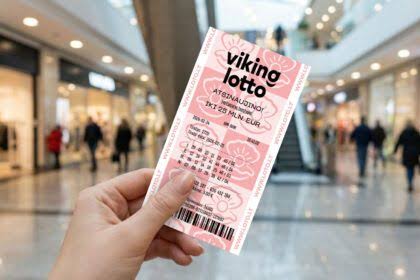
Lithuania could impose another significant increase in the tax burden facing gambling companies as lawmakers reconsider a proposal that would raise taxes and licensing costs across one of the Baltic country's most tightly regulated consumer industries.
The bill currently before the Seimas, Lithuania's parliament, proposes increasing the tax rate applicable to slot machines, table games, bingo, totalisators, sports betting and remote gambling from 22% to 30%. Lottery operators would face a separate increase from 18% to 25%, substantially raising the fiscal cost of operating in the Lithuanian market.
Crucially, the changes have not yet been approved. The proposal, submitted by MP Ligita Girskienė in November 2025 as draft XVP-972, cleared an initial parliamentary hurdle later that month when 86 lawmakers supported continuing its consideration, with none voting against and five abstentions. It was subsequently referred to the Budget and Finance Committee, while parliament requested an opinion from the government.
As of August 17, 2026, the parliamentary records reviewed by SiGMA did not show that the requested government opinion had been formally submitted. The legislation should therefore be understood as an active proposal rather than an agreed tax reform.
The distinction matters for gambling businesses evaluating the Lithuanian market. Operators are already adjusting to a succession of tax, advertising and responsible-gambling reforms, while additional measures scheduled for the coming years will further change how companies interact with customers and regulators.
Higher taxes and much more expensive licences
The proposed tax increase would be accompanied by a substantial revision of Lithuania's licensing charges. Under the draft, the one-off fee for licences covering table games and Category A machines would rise from €300,000 to €400,000, with the same increase applying to Category B machine licences.
Licences for bingo, totalisators and betting would double from €100,000 to €200,000, while the cost of obtaining a remote gambling licence would increase from €500,000 to €600,000. The most significant change would affect companies seeking the full package of gambling licences: the one-off charge would double from €1 million to €2 million.
Taken together, the measures would increase both the recurring tax burden and the initial capital required to enter or expand within the Lithuanian market. That could have particular consequences for smaller operators, while larger international groups may be better positioned to absorb higher compliance and licensing costs.
The debate also comes shortly after an earlier tax increase. Lithuania raised the applicable gambling tax from 20% to 22% from January 1, 2025, one reason why the country's Ministry of Finance previously argued against immediately introducing another increase under a separate legislative proposal.
The ministry's position in that earlier case was essentially one of regulatory sequencing: the market had only recently absorbed higher taxation and was simultaneously adapting to new responsible-gambling requirements, making it preferable to assess their impact before imposing further fiscal changes.
That previous position does not determine the outcome of the current bill. The final decision rests with the Seimas, and the parliamentary process remains open. It does, however, reveal a broader debate inside Lithuania over how quickly the government should increase the fiscal contribution of gambling companies without undermining the regulated market.
The tax proposal is particularly significant because it is advancing alongside a much wider restructuring of gambling supervision.
From 2029, Lithuania plans to introduce a centralised player-monitoring system based on personal identification. The system is intended to connect deposits, winnings and losses across licensed operators, while cash gambling payments are also set to disappear. SiGMA describes the planned framework as the first fully centralised player-monitoring system of its kind in the European Union.
The reform is scheduled to unfold in stages, with expanded supervisory powers beginning in May 2027 and the player identification system taking effect from January 2029. Separate gambling legislation adopted in November 2025 also contains provisions scheduled to enter into force in 2027 and 2029.
For operators, the direction of travel is therefore broader than taxation alone. Lithuania is moving towards a market characterised by higher regulatory oversight, greater player traceability and potentially substantially higher operating costs.
From a European perspective, the Lithuanian debate also illustrates the fragmented regulatory environment facing gambling groups operating across the EU. Gambling taxation and licensing remain largely national competencies, meaning operators must navigate significantly different fiscal structures and responsible-gambling rules from one member state to another.
Lithuania's relatively small population does not make the policy shift irrelevant. The country has increasingly adopted digital regulatory tools that could provide a reference point for other European jurisdictions attempting to combine consumer protection with more comprehensive monitoring of gambling activity.
The economic question is whether raising taxes further would increase public revenues without pushing consumers towards unlicensed platforms. This tension is central to gambling regulation across Europe: higher taxes can increase government revenue from legal operators, but excessive costs can also weaken the competitiveness of the regulated market against offshore alternatives.
For now, that balance remains a matter for Lithuania's lawmakers rather than a settled policy.
The Seimas has demonstrated sufficient political interest to keep the proposal alive, but the absence of final parliamentary approval means operators are not yet facing a 30% gambling tax. What they are facing is growing evidence that Lithuania intends to continue tightening the economic and regulatory framework surrounding the sector.
If the proposal eventually becomes law, the combination of a 30% gambling tax, a 25% lottery rate and licence fees reaching as much as €2 million would mark another significant step in that transformation — and make Lithuania an increasingly demanding market for European and international gaming operators.