Lula burned millions of Central Bank of Brazil reserves trying to prop up the real
Brazil's central bank intervened to support the real after President Lula postponed naming a new finance minister, heightening market volatility.

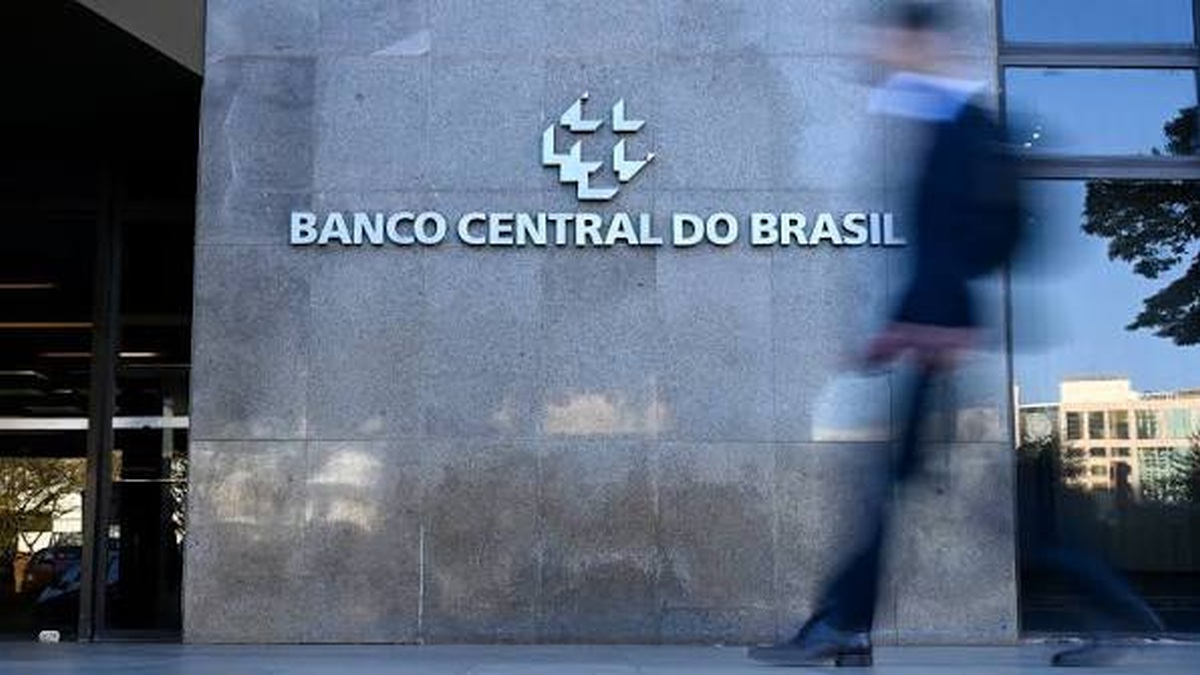
Brazil’s central bank intervened in the currency markets after the real faced heavy selling pressure, a move prompted by President Luiz Inácio Lula da Silva's announcement that he would delay naming a new finance minister.
The US dollar continued its upward trajectory against the Brazilian real on Thursday, climbing 1.10% to close at BRL 5.9323, its strongest level since April 2025. The move extended the greenback's winning streak to six consecutive trading sessions, bringing its weekly appreciation to 4.87% and its year-to-date advance to 8.08%.
In an effort to contain the real's depreciation, the Central Bank of Brazil injected US$1 billion into the foreign exchange market through a spot dollar auction conducted between 12:03 p.m. and 12:08 p.m. The monetary authority accepted five bids, setting the cut-off exchange rate at BRL 5.86 per dollar. However, the intervention provided only temporary relief, as renewed demand for the US currency pushed the exchange rate back above BRL 5.93 before the close.
The intervention underscores how political uncertainty can quickly translate into financial market volatility in Brazil, with immediate consequences for cross-Atlantic investment flows and business sentiment. Lula, who was re-elected last month, told reporters he is not in a rush to reveal his choice for a finance chief, fueling speculation over future economic policy direction.
As the real plunged, the central bank’s action aimed to stabilize the currency and signal its commitment to defending market stability. For investors, the episode highlights the risk that continued delays or policy ambiguity could erode confidence, potentially leading to further capital outflows, higher inflation, and slower economic growth.
Brazil's export and import sectors are particularly sensitive to currency fluctuations, and instability in the real could affect trade volumes with Europe and Latin America. Companies with exposure to Brazil may face increased hedging costs, while European investors monitoring Brazil’s outlook will be watching closely for signs of policy clarity.
Analysts note that while the central bank’s intervention may provide short-term relief, sustainable stability will likely depend on clear fiscal and economic signals once the new finance minister is appointed. Until then, markets may remain volatile, with further interventions possible if uncertainty persists.
For more, see EUBizNews.