Stadler, Škoda, CAF and Alstom lead record tram orders as Europe accelerates fleet renewal
European tram orders reached a record 1,288 vehicles as Stadler, Škoda, CAF and Alstom drive a new wave of urban rail investment.

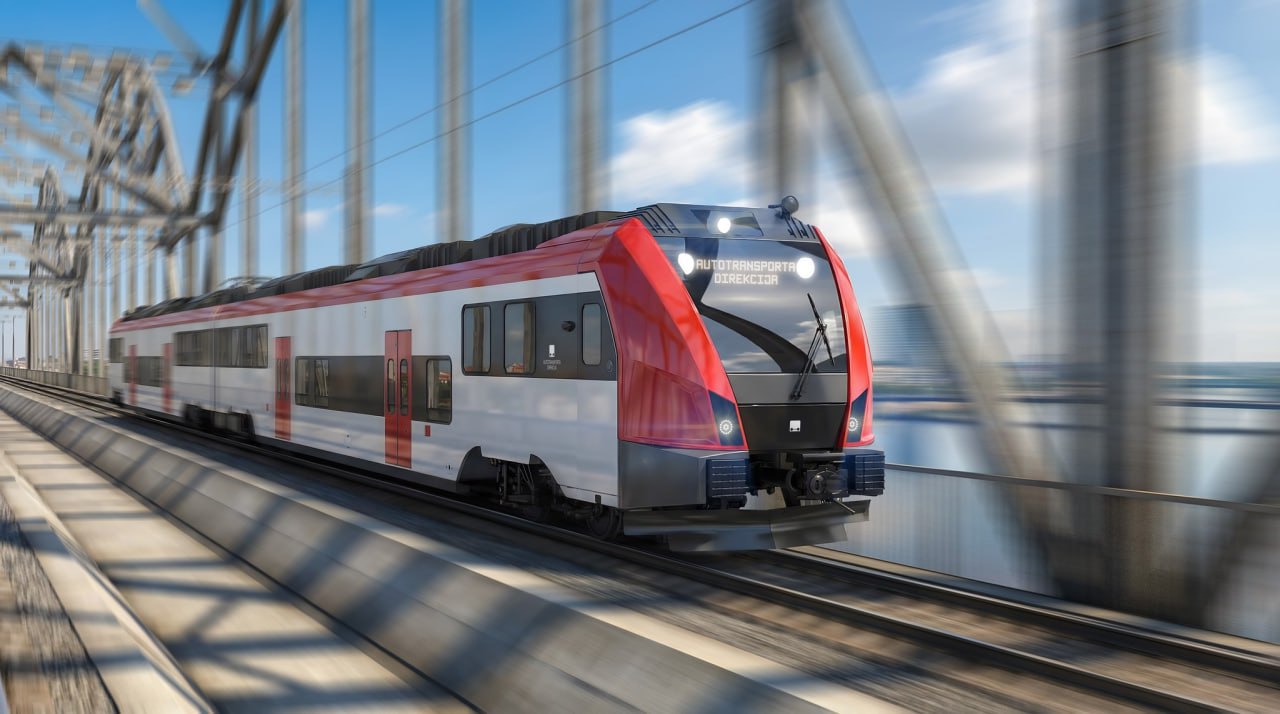
Stadler, Škoda, CAF and Alstom have emerged as dominant players in Europe’s tram and light rail vehicle market, which has seen record orders as cities renew aging fleets and invest in urban rail infrastructure.
From 1 January 2025 to 31 July 2026, cumulative European tram and light rail vehicle (LRV) orders reached 1,288 vehicles, according to market data. This figure marks a significant increase from previous years, with 691 vehicles ordered in the most recent 12-month period alone, compared to 572 a decade earlier.
The surge in demand is attributed to a combination of factors: urban population growth, the need to replace older rolling stock, and substantial investment in sustainable public transport options. European cities are prioritising low-floor vehicle designs, with around 60% of new orders for fully low-floor trams and 33% for 100% low-floor models, improving accessibility and passenger experience.
The market’s momentum is reflected in rising contract values. New tram prices have increased to between €4 million and €6 million per vehicle, up from €3.5 million ten years ago. Notable contracts include CRRC’s €69.5 million order for 22 vehicles for Porto and Talbot’s €48 million refurbishment project for low-floor LRVs in Köln, with a potential additional €100 million contract under negotiation.
Regulatory oversight from the European Commission continues to shape competition in the sector, as seen in April 2026 when CRRC was replaced by Pesa in the Lisboa Linha Violeta project following an EU investigation. Meanwhile, established manufacturers such as Stadler, Škoda, CAF and Alstom are leveraging their expertise and scale to secure large deals and introduce advanced technologies, including automation and energy-efficient systems.
While the European market remains the primary focus, demand for tram and LRV systems is increasingly spreading to Latin America, offering new international growth opportunities. However, manufacturers face challenges including lengthy vehicle approval and testing processes, and rising material and labour costs that could affect profitability and project timelines.
For public transport authorities, the higher cost of new trams and the push for advanced features require careful procurement strategies and long-term planning. The ongoing investment wave is expected to drive further innovation, benefitting both European operators and manufacturers targeting export markets.