Venezuela opens power sector to private firms, oil fields set for €90bn investment boost
Venezuela has ended its 19-year electricity monopoly, enabling private investment in power plants for oil fields as part of a broader strategy to tackle energy shortages and revive oil output.

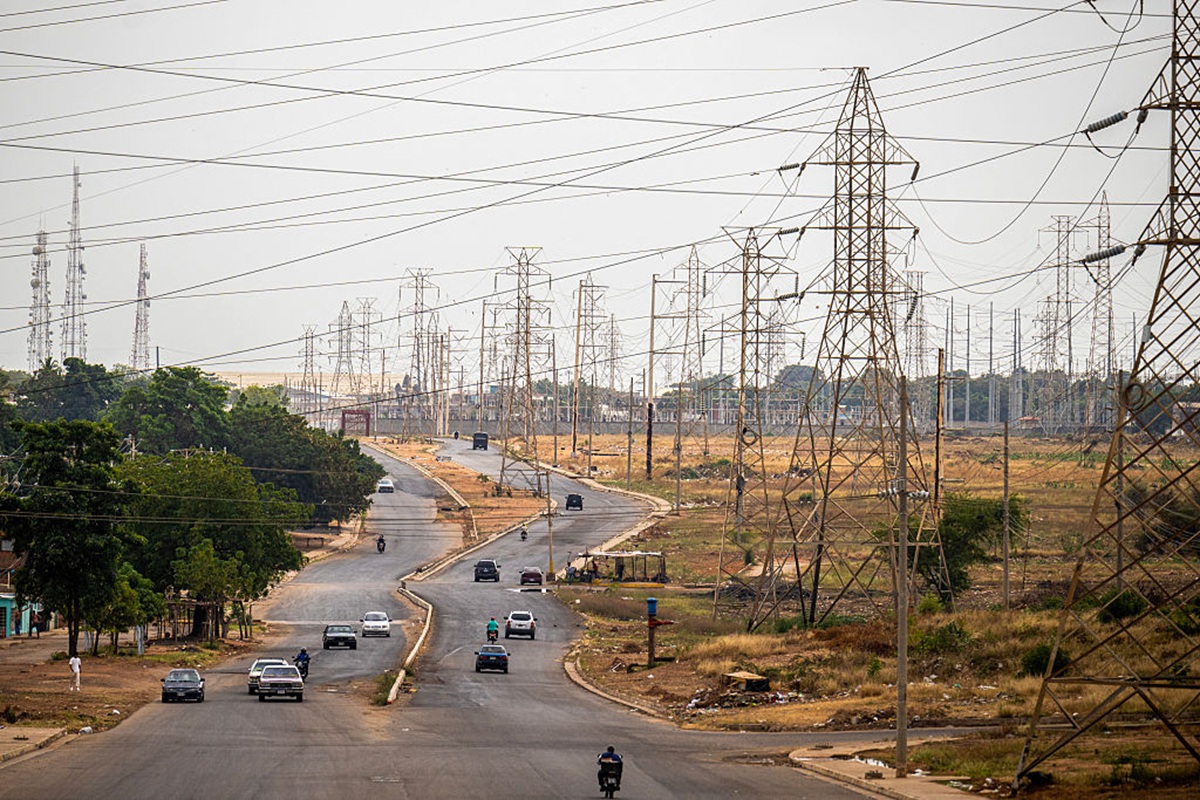
Venezuela's National Assembly has unanimously approved a landmark reform ending the country's 19-year state monopoly on power generation, with changes designed to attract private investment—particularly from oil producers seeking reliable electricity supplies for their operations.
The reform, passed on Tuesday, allows oil producers to build their own power plants to support field activities without requiring state approval, provided they do not connect to the national grid. For larger plants exceeding 50 megawatts, private generators will need a concession from the Ministry of Electric Energy.
Authorities retain control over hydroelectric dams and main transmission lines, ensuring that strategic infrastructure remains under state management. Households unable to pay market rates will continue to receive subsidized electricity from the existing grid, which currently generates around 12,000 megawatts—well short of the 16,400 MW demand recorded in September.
The move is expected to unlock significant capital. North American Blue Energy Partners has been granted access to fields holding 65 billion barrels of proven reserves and plans to invest approximately €90.2 billion in new oil infrastructure. Meanwhile, Chevron currently produces 290,000 barrels per day in Venezuela and aims to more than double output by 2031.
The government estimates that stabilizing the fragile grid will require an additional €13.5 billion investment over three years. Recent agreements with General Electric and Impsa are intended to add 7,400 MW of capacity, further supporting the country’s ambitions to revive economic activity and boost oil exports.
For European and Latin American investors, the reform signals an opening in a sector long closed to foreign capital. However, ongoing U.S. sanctions present a major risk for multinationals, potentially affecting both new investments and the payment mechanisms for infrastructure upgrades.
The electricity reform is set to reshape Venezuela’s competitive landscape for energy generation, with the oil sector expected to benefit first. If successful, the shift could ease chronic power shortages that have hampered production and stifled economic recovery.