Von der Leyen warns EU budget cuts threaten bloc’s competitiveness and energy goals
European Commission President Ursula von der Leyen cautioned that proposed EU budget cuts, championed by Germany, risk undermining key policies on competitiveness and energy autonomy as negotiations intensify.

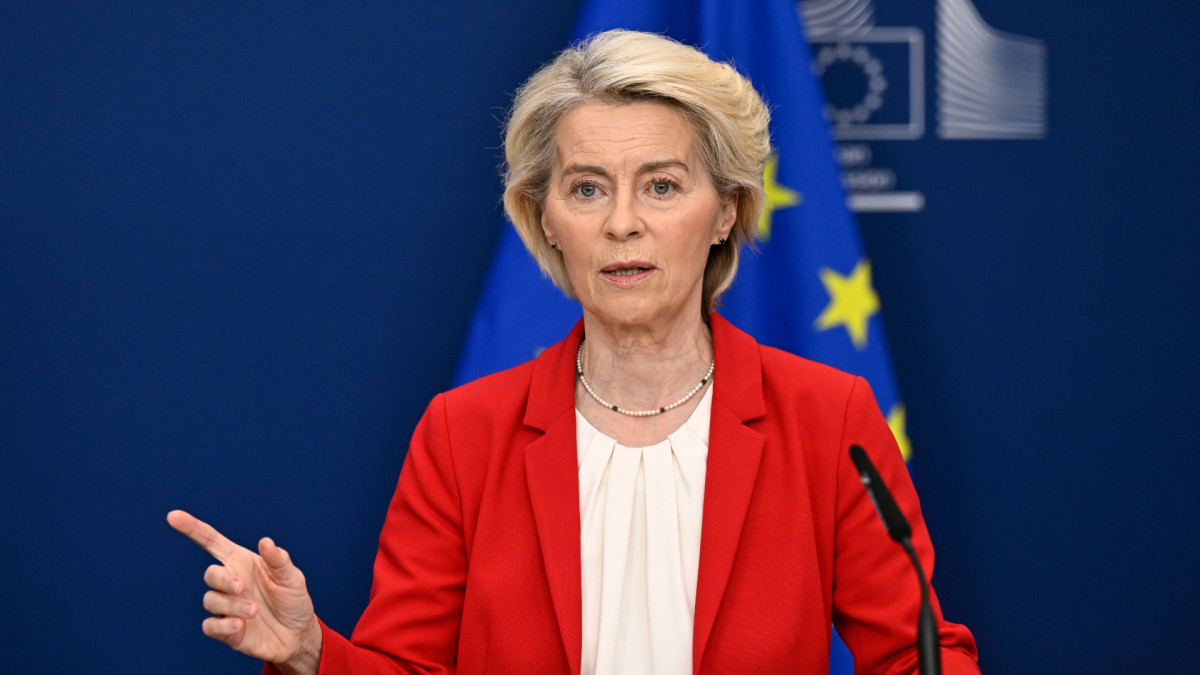
European Commission President Ursula von der Leyen told the European Parliament that proposed cuts to the EU’s next seven-year budget could undermine the bloc’s competitiveness and energy autonomy, as the debate over fiscal priorities intensifies.
Von der Leyen’s warning comes as Germany pushes for substantial savings, while a coalition of 17 Southern and Eastern EU countries opposes reductions that would affect farmers’ subsidies and cohesion funds. The Commission’s latest proposal would raise the budget to 1.26% of the EU’s gross national income, a modest increase over the current cycle.
The Irish presidency of the Council of the EU is expected to present a negotiating document in the coming days recommending budget cuts of over €100 billion. This proposal is likely to sharpen divisions between wealthier Northern states, led by Germany, and countries in the South and East that rely more heavily on EU funding for agriculture and regional development.
Von der Leyen argued that deep cuts would jeopardize the EU’s ability to finance priorities such as the green transition, digital competitiveness, and efforts to reduce reliance on external energy sources. She stressed the importance of maintaining investment in cohesion policy to avoid widening economic disparities across the bloc.
Portuguese Prime Minister Luís Montenegro has echoed calls to preserve cohesion funding, highlighting concerns that smaller states could be disproportionately affected. The stance of the 17-country group signals growing unity among member states seeking to protect subsidies and regional support mechanisms.
The outcome of the negotiations will have far-reaching consequences for sectors dependent on EU support, including agriculture, infrastructure, and innovation. Businesses and investors are closely watching the talks, as budget decisions will influence market stability and long-term policy direction across the region.
The debate is unfolding against the backdrop of upcoming elections in France, Italy, and Poland, which could further complicate the path to consensus. If agreement is not reached by year-end, there is a risk of delayed funding and increased uncertainty for EU programmes.
Some policymakers have raised the possibility of introducing new own resources for the EU budget as a way to maintain funding levels while easing national contributions. However, with positions hardening, the negotiations are expected to remain contentious as the deadline approaches.