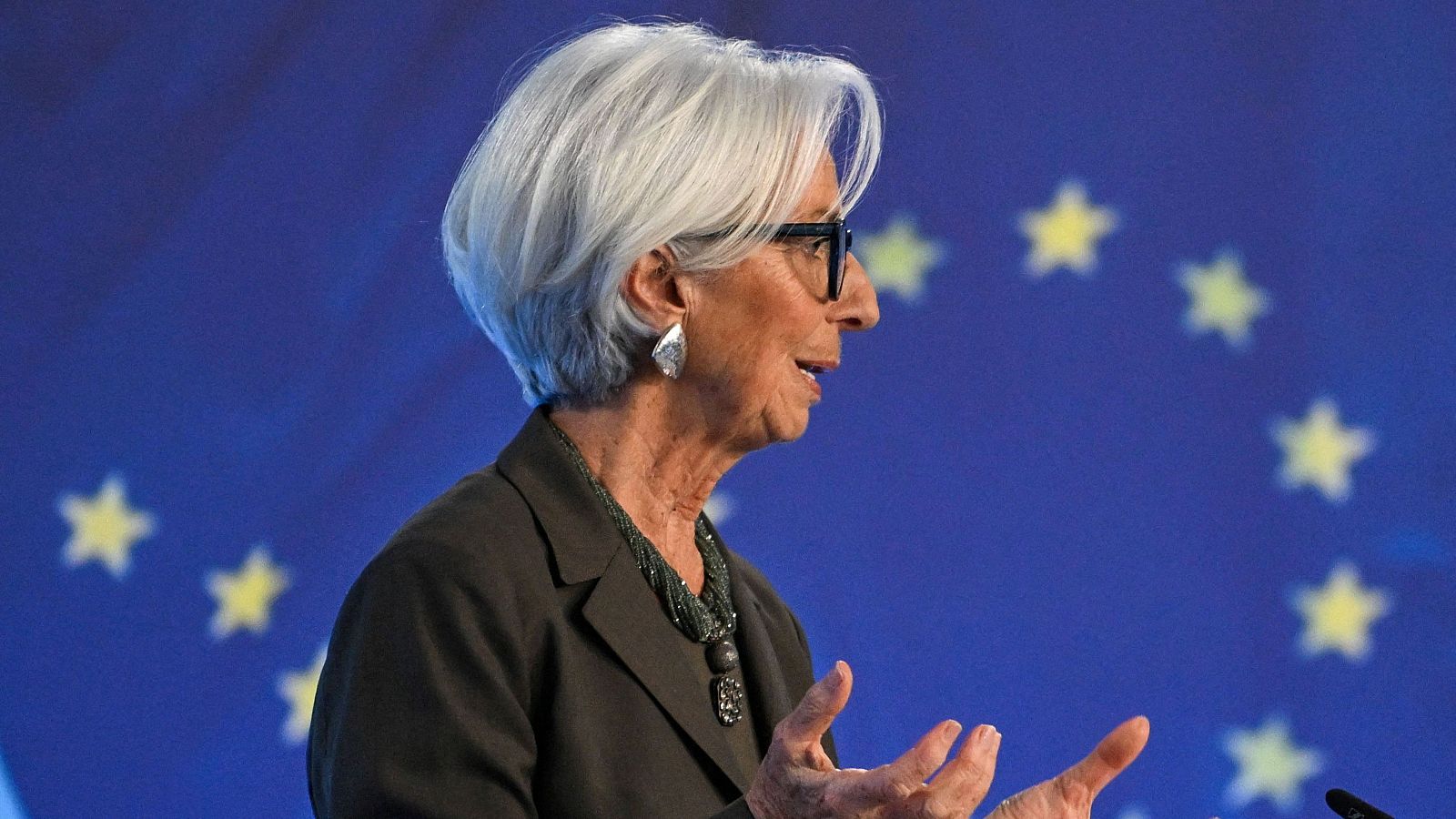
Bank of England's cautious inflation response may extend high interest rates, Niesr warns
The National Institute of Economic and Social Research warns that the Bank of England's limited action risks entrenching inflation above its 2% target until 2030.

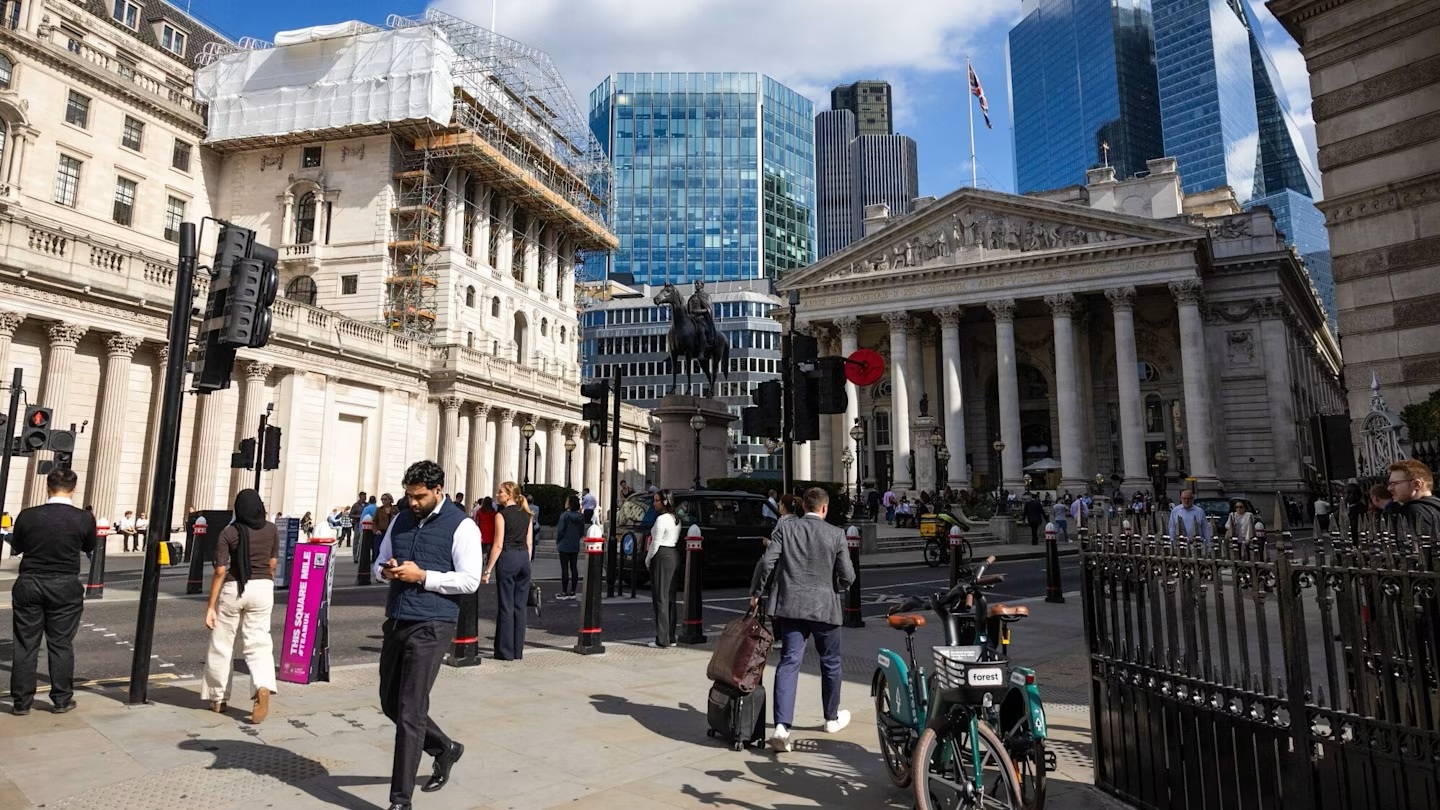
The Bank of England’s recent decision to raise interest rates from 3.75% to 4% could keep borrowing costs elevated for longer, according to a warning from the National Institute of Economic and Social Research (Niesr). The thinktank argues that the bank's restrained approach risks allowing inflation to persist above its official 2% target until at least 2030, amid mounting global and domestic pressures.
UK inflation is currently at 3.5%, well above the bank’s goal. Niesr points to surging Brent crude oil prices, which have traded above €89 a barrel since February due to the Iran war, as a key factor fuelling ongoing price pressures. The institute’s analysis suggests the bank’s incremental rate hike may not be sufficient to bring inflation under control in the medium term.
David Aikman, Niesr’s director, highlighted that continued high inflation could trigger further inflation-linked wage demands, embedding price rises in the wider economy. The thinktank also projects that UK economic growth will slow, with an increase of 1.6% forecast for this year, dropping to 0.9% by 2028.
The situation presents challenges for Chancellor John Healey and the UK government. Niesr estimates that existing spending patterns could create a £30bn gap in public finances if inflation remains high, complicating fiscal planning. The thinktank’s findings signal potential headwinds for sectors reliant on consumer confidence and manageable borrowing costs.
Niesr’s report raises the prospect that the Bank of England may need to adopt a more aggressive policy stance should inflation fail to recede. Such a shift could affect business investment and consumer behavior, with implications for both domestic and international investors. For Europe and Latin America, the persistence of high UK rates and inflation could influence capital flows and trade patterns, especially given the UK’s role as a financial hub.