Bank of England lifts rate to 4% after Iran war shock, warns U.K. inflation to near 5% by 2027
The Bank of England has raised its interest rate for the first time since August 2023, citing inflation risks driven by the Iran conflict's impact on energy prices.

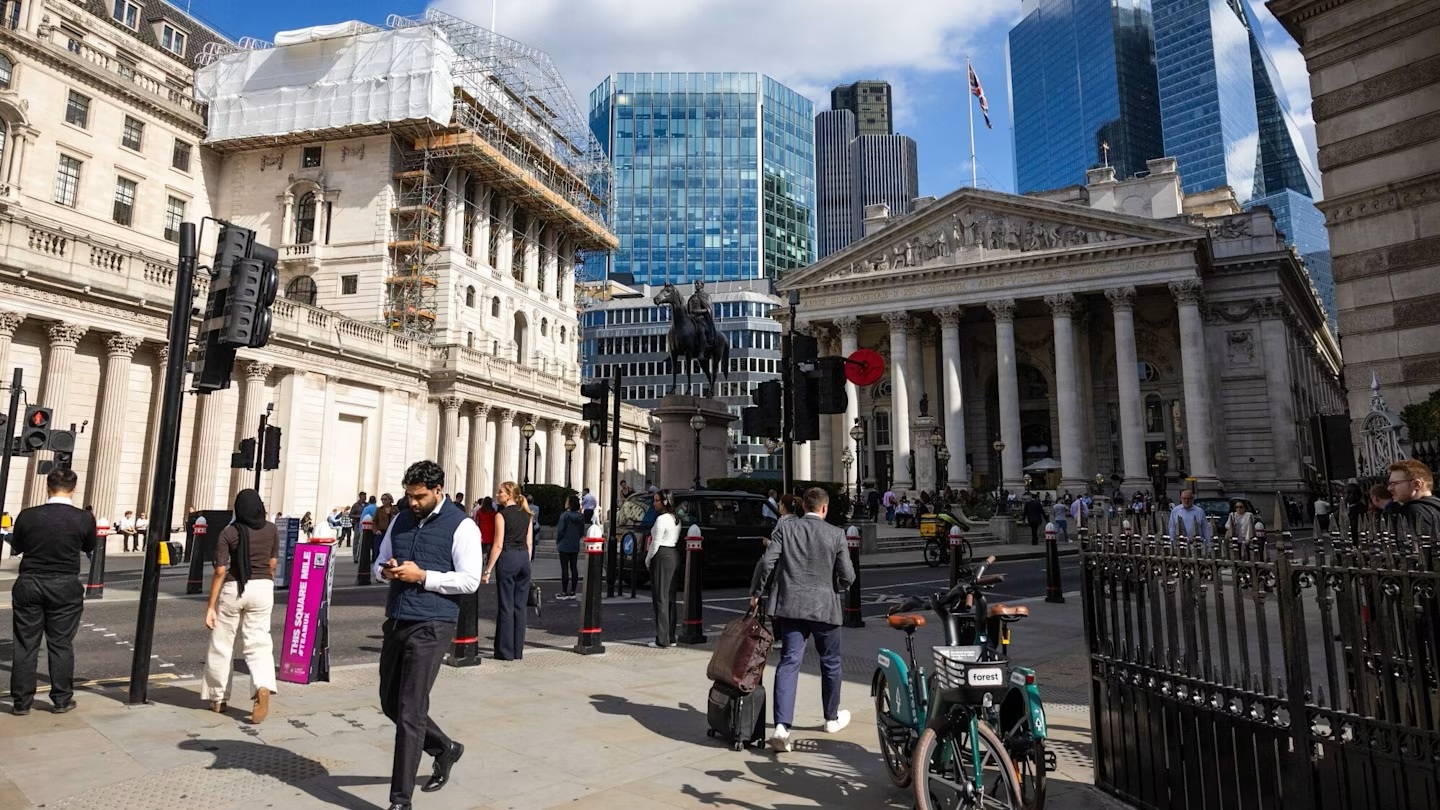
Bank of England has increased its key interest rate by 25 basis points to 4%, its first rate hike since August 2023, as policymakers warn that U.K. inflation could approach 5% by mid-2027. The decision, announced on November 5, comes amid mounting concerns over the impact of the ongoing U.S.-Iran conflict on global energy prices.
The Monetary Policy Committee voted for the increase, with one member, Catherine L Mann, advocating an even larger hike to 4.25%. The majority, however, opted for a more gradual tightening approach, reflecting fears that aggressive rate rises could hamper economic growth even as inflationary pressures persist.
Central to the Bank’s decision is the expectation that higher energy costs—driven by the instability in the Middle East—will push up consumer prices in the U.K. The Bank now projects inflation to hit around 5% by mid-2027, well above its medium-term target.
The policy shift signals a more hawkish stance as the Bank of England seeks to bolster its credibility and anchor inflation expectations. However, the move also raises borrowing costs for households and businesses, potentially weighing on consumer spending and overall economic activity.
The decision follows a prolonged period of monetary stability, with the last rate increase in August 2023. The Bank’s cautious approach contrasts with more aggressive moves by other central banks facing similar inflation shocks. Investors and policymakers across Europe and Latin America are watching closely, as the Bank’s response to the Iran war’s economic fallout may shape future monetary policy in other jurisdictions.