
Benetton exits Argentine agriculture after 35 years with €800 million Patagonia land sale
Benetton’s €800 million sale of 900,000 hectares to Adecoagro partners marks a major shift in Argentina’s agricultural sector amid evolving land laws.

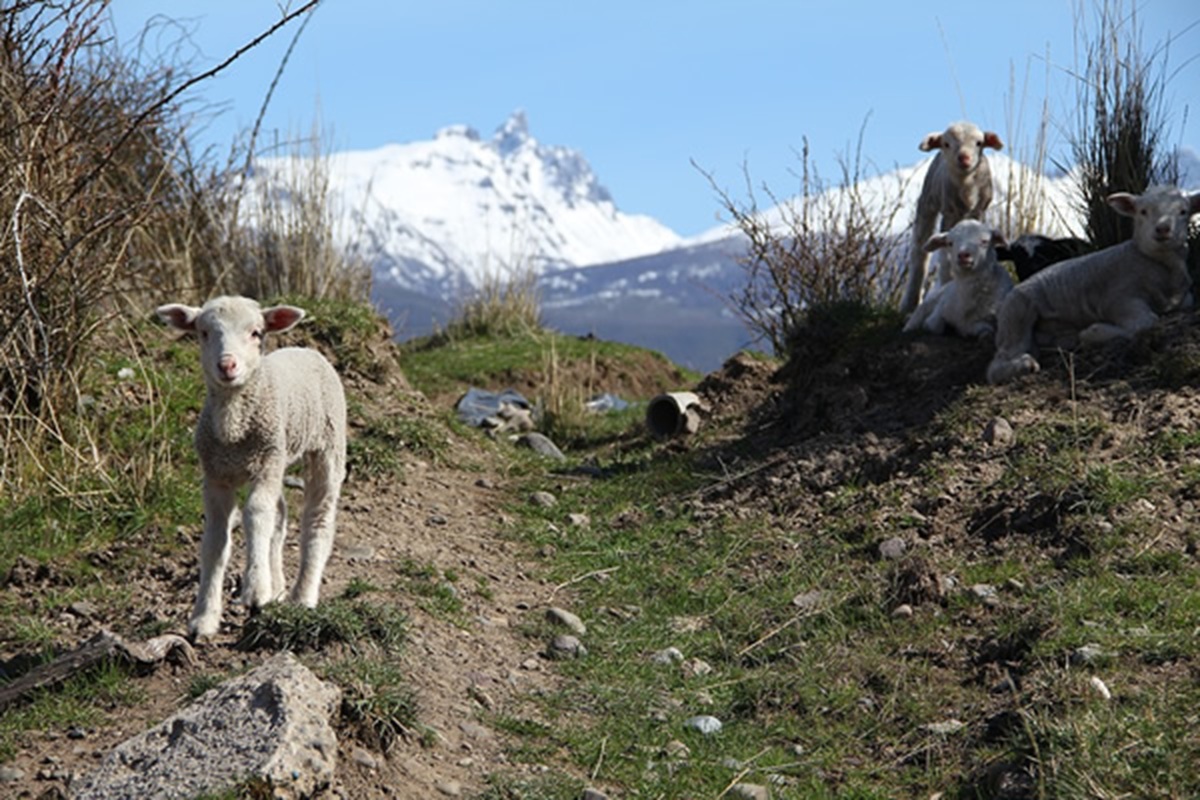
Benetton Group has sold its more than 900,000 hectares of land in Argentina's Patagonia to shareholders and directors of Adecoagro, marking the Italian conglomerate’s complete exit from the Argentine agricultural sector after 35 years. The transaction, valued at approximately €800 million according to local estimates, transfers control over vast tracts of land and two major agricultural companies.
The deal involves the transfer of Compañía de Tierras Sud Argentino (CTSA) and Ganadera Cóndor, the only agricultural firms previously held by Benetton in Argentina. The land portfolio, spanning Buenos Aires, Río Negro, Chubut, and Santa Cruz provinces, is roughly the size of Puerto Rico and Cyprus combined. CTSA alone manages over 900,000 hectares—about 33% in Chubut, 60% in Santa Cruz, 5% in Río Negro, and 2% in Buenos Aires.
Mariano Bosch, CEO of Adecoagro and leader of the purchasing group, will oversee the new assets. Agustín Dranovsky, current CEO of CTSA, will remain in his role to ensure operational continuity. The land supports the raising of 260,000 sheep and 22,000 cattle, producing around 1 million kilos of wool annually.
The sale comes as Argentina has recently repealed restrictions on foreign land ownership, a move that could affect the landscape for future investments and regulatory oversight. The timing highlights persistent sensitivities around land tenure, with local communities historically voicing concerns over foreign control of strategic agricultural resources.
For Europe, Benetton’s withdrawal underscores a broader recalibration of European investment strategies in Latin America’s agricultural sector. The exit may encourage other European investors to reassess their exposure, while for Latin America, the deal signals greater consolidation among local agribusiness leaders like Adecoagro. This could lead to increased production capacity and potentially reshape competition in Argentina’s wool and livestock markets.
The acquisition also strengthens Adecoagro’s position in the sector, offering opportunities for expanded scale and improved efficiency. However, the transaction’s legacy will be shaped by how new owners engage with local communities and respond to evolving land ownership policies.