
Solar PV slashes Spain's electricity costs by €17.02bn over 18 months, UNEF finds
A UNEF study reveals solar PV lowered Spain's wholesale electricity prices by €17.02 billion from January 2025 to June 2026, highlighting its economic impact.

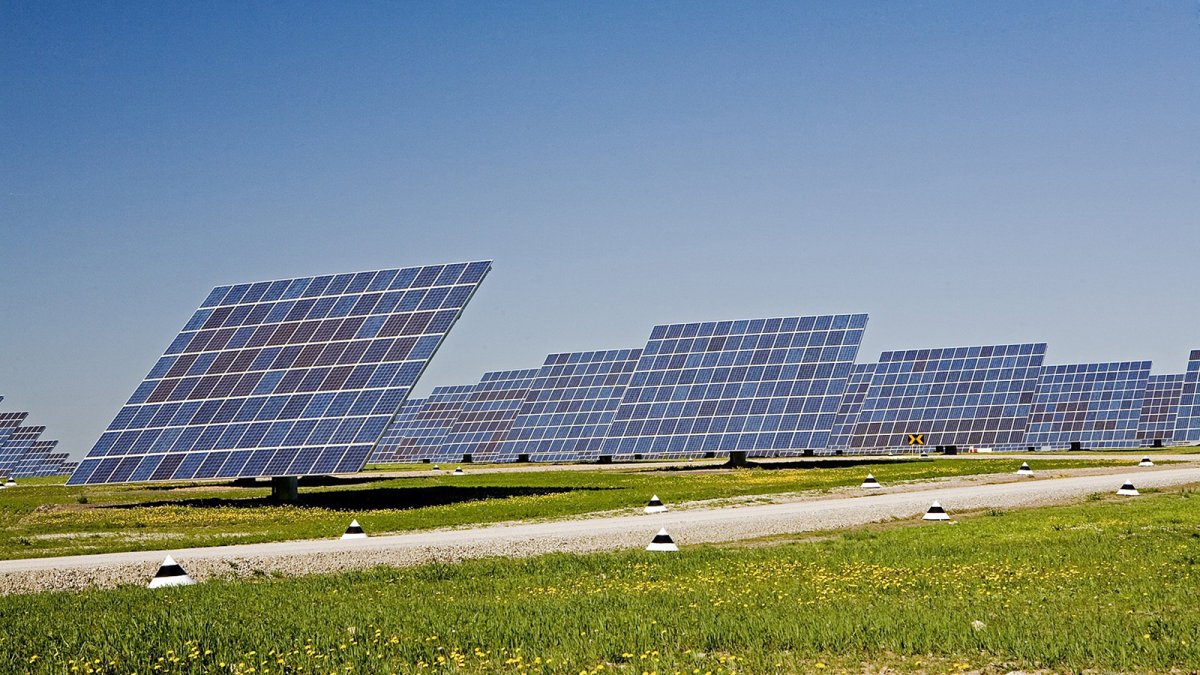
Solar photovoltaic (PV) generation reduced Spain’s wholesale electricity costs by €17.02 billion between January 2025 and June 2026, according to a study by the Spanish solar association UNEF. The analysis, based on data from the Iberian electricity market operator OMIE and Red Eléctrica, underscores the growing economic significance of solar energy in the Spanish market.
The study found that average day-ahead market prices would have been 86% higher without solar generation. In the absence of solar, the average price would have reached €112/MWh, compared to the recorded €60.2/MWh, amounting to a 46% reduction. In June 2026 specifically, solar PV was responsible for a €93.1/MWh price difference, with market prices at €69.6/MWh versus an estimated €162.7/MWh without solar input.
Utility-scale PV delivered the bulk of the savings, accounting for €14.23 billion, while residential and commercial self-consumption contributed €2.79 billion. The savings were distributed across €10.86 billion in 2025 and €6.16 billion in the first half of 2026. UNEF highlights that every euro invested in solar PV generated €8 in wholesale price savings.
While the study demonstrates the macroeconomic benefits for Spain’s electricity system, UNEF cautions that these savings do not directly translate into equivalent reductions on consumers’ bills, as retail prices include additional components not captured in wholesale market calculations. The report also notes that the response of other generation technologies, such as combined-cycle gas plants and hydropower, could influence future market dynamics as solar penetration increases.
The findings reinforce the economic rationale for increased investment in solar PV, potentially impacting the competitive landscape for electricity providers and enhancing Spain’s energy security. The methodology offers a framework for assessing the impact of renewables in other European markets, amid growing interest in the role of government policy in supporting solar adoption and its economic benefits.