Big Picture Bio Raises €2.55 Million to Advance AI-Driven Cancer Drug Combinations
London-based Big Picture Bio has secured €2.55 million to develop AI-designed cancer drug combinations, aiming to address resistance in cancer treatment and accelerate drug discovery.
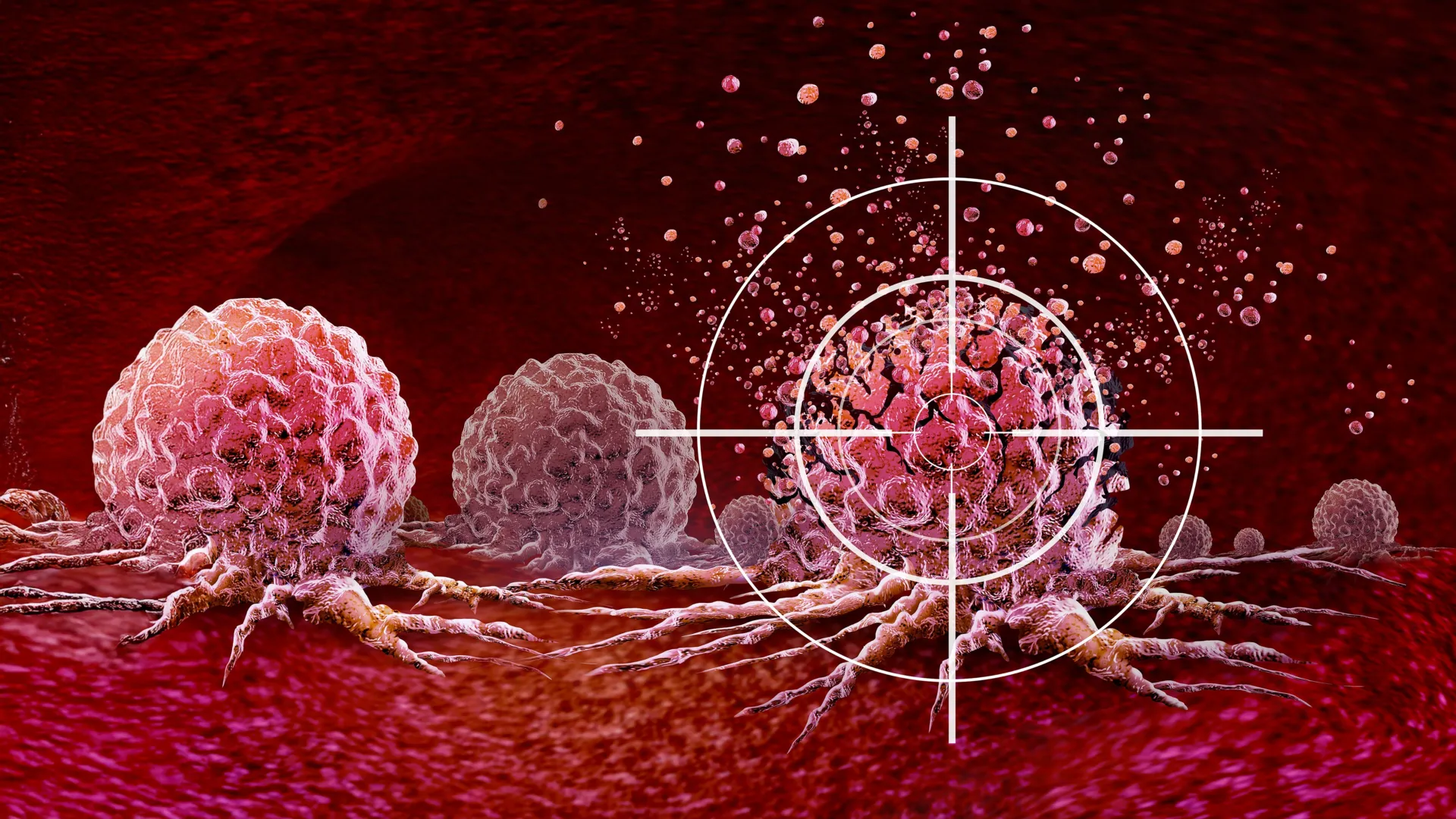
Big Picture Bio, a London-based biotech startup, has emerged from stealth with €2.55 million in funding to develop AI-designed combination therapies for cancer, the company announced on September 18.
The financing includes a €1.75 million pre-Seed round co-led by Kadmos Capital and Exceptional Ventures, with participation from Gloucester Ventures and angel investor John White. An additional €815,000 was awarded through non-dilutive support from Innovate UK’s Investor Partnerships Programme.
Led by Dr. Kerstin Papenfuss (CEO and co-founder) and Dr. Mark Hammond (CTO and co-founder), Big Picture Bio aims to leverage AI to design novel drug combinations that can outmaneuver cancer resistance—a persistent obstacle in oncology. According to the company, this funding will enable it to move its computationally identified drug combinations into laboratory testing, a critical transition in drug development.
The use of artificial intelligence in drug discovery offers opportunities to drastically cut both time and costs, especially when compared to traditional methods reliant on trial-and-error or repurposing existing drugs. By designing therapies from scratch, Big Picture Bio seeks to open new avenues for treating cancers that have developed resistance to standard regimens.
For Europe’s biotech sector, this milestone underscores the growing role of AI as a transformative force in healthcare innovation. It also highlights the region’s capacity to support early-stage companies working at the intersection of advanced computation and medical science. The participation of both venture capital and public innovation funding signals a maturing ecosystem for AI-driven drug development.
However, significant risks remain. The challenge of translating AI-generated predictions into effective laboratory outcomes is well-documented, and the oncology market features established pharmaceutical competitors with deep resources. Success in preclinical and clinical stages will be essential for Big Picture Bio to differentiate itself and attract further investment.
If successful, the company’s platform could help reduce the global burden of cancer and set new standards for how combination therapies are designed and tested—an outcome with implications for health systems and patients in both Europe and Latin America, where access to innovative treatments remains a priority.