Binance hack freezes €5.5bn in crypto, exposing security gaps and regulatory risks
Binance’s €5.5bn hack, linked to North Korea’s TraderTraitor group, has frozen billions and heightened scrutiny of crypto security.

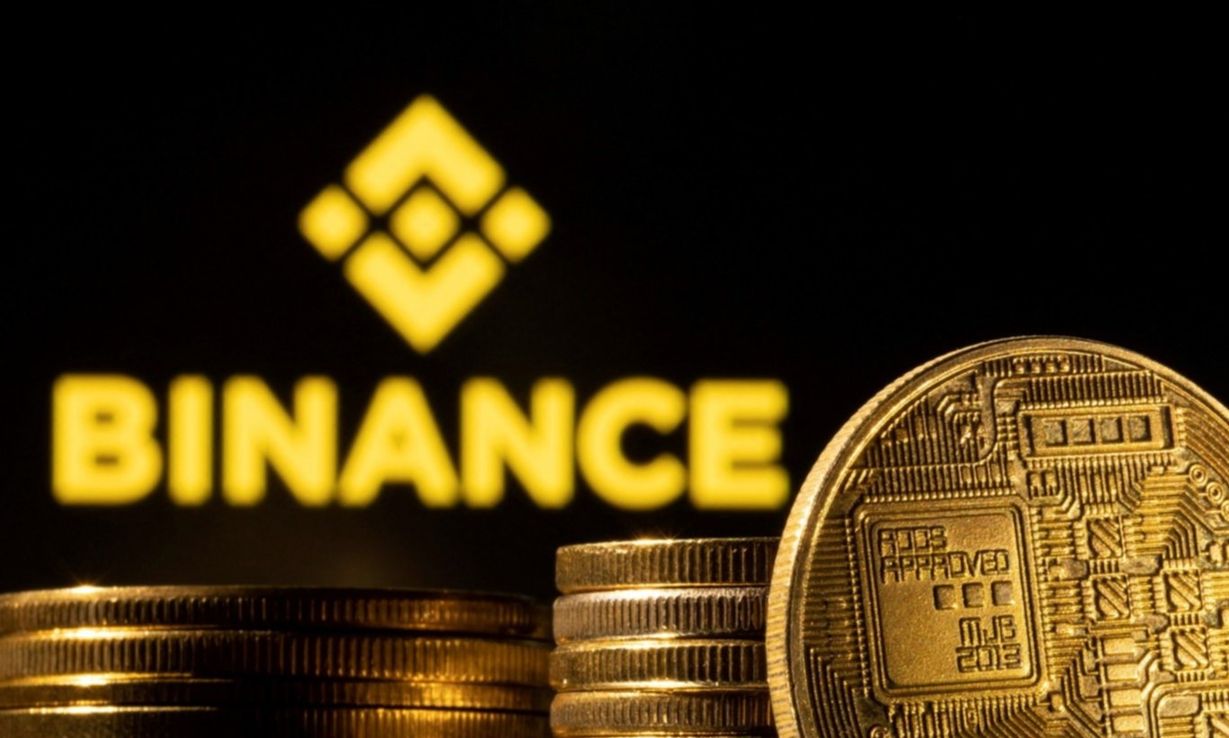
Binance, the world's largest cryptocurrency exchange, has suffered a major hack with an estimated impact of €5.5 billion, leading to the freezing of billions in digital assets and renewed concerns over the security of the crypto sector.
The attack, which occurred late Thursday, has been linked by investigators to the TraderTraitor hacker group, reportedly associated with North Korea. According to blockchain analysis firm TRM Labs, around €2.6 billion was frozen on-chain in an effort to prevent further theft. Major stablecoin issuers Tether and Circle intervened, freezing €1.4 billion and €696 million respectively related to the stolen assets.
In immediate response, Binance suspended all deposits and withdrawals at 0030 GMT Friday, citing the need to conduct urgent security checks. The platform has since stated it is cooperating with the US Department of Justice and other law enforcement agencies, while industry analysts warn the incident could be a turning point for regulatory oversight.
The scale of the hack dwarfs previous attacks, including the Bybit breach in February 2025 that saw losses of €1.3 billion. The involvement of a North Korean-linked group has sharpened calls for stronger defenses, as well as tighter international collaboration to combat cybercrime in the crypto arena.
The freezing of such large sums is expected to restrict liquidity across multiple exchanges and may cause volatility in cryptocurrency prices, according to sector analysts. For Europe and Latin America, where crypto adoption is rising, the incident underscores the risks posed by sophisticated cybercriminals and the potential for stricter regulation.
In the wake of the hack, market observers are watching for Binance's next steps to bolster its cybersecurity and for regulatory authorities, particularly in the EU and Latin America, to advance new oversight frameworks. The incident may also accelerate joint efforts between exchanges and law enforcement to address the growing threat landscape facing digital finance.