Brazil’s fertilizer dependency poses global food security risk as import gap widens
Brazil’s heavy reliance on imported fertilizer exposes global food supply chains to heightened risk, with disruptions potentially affecting hundreds of millions worldwide.

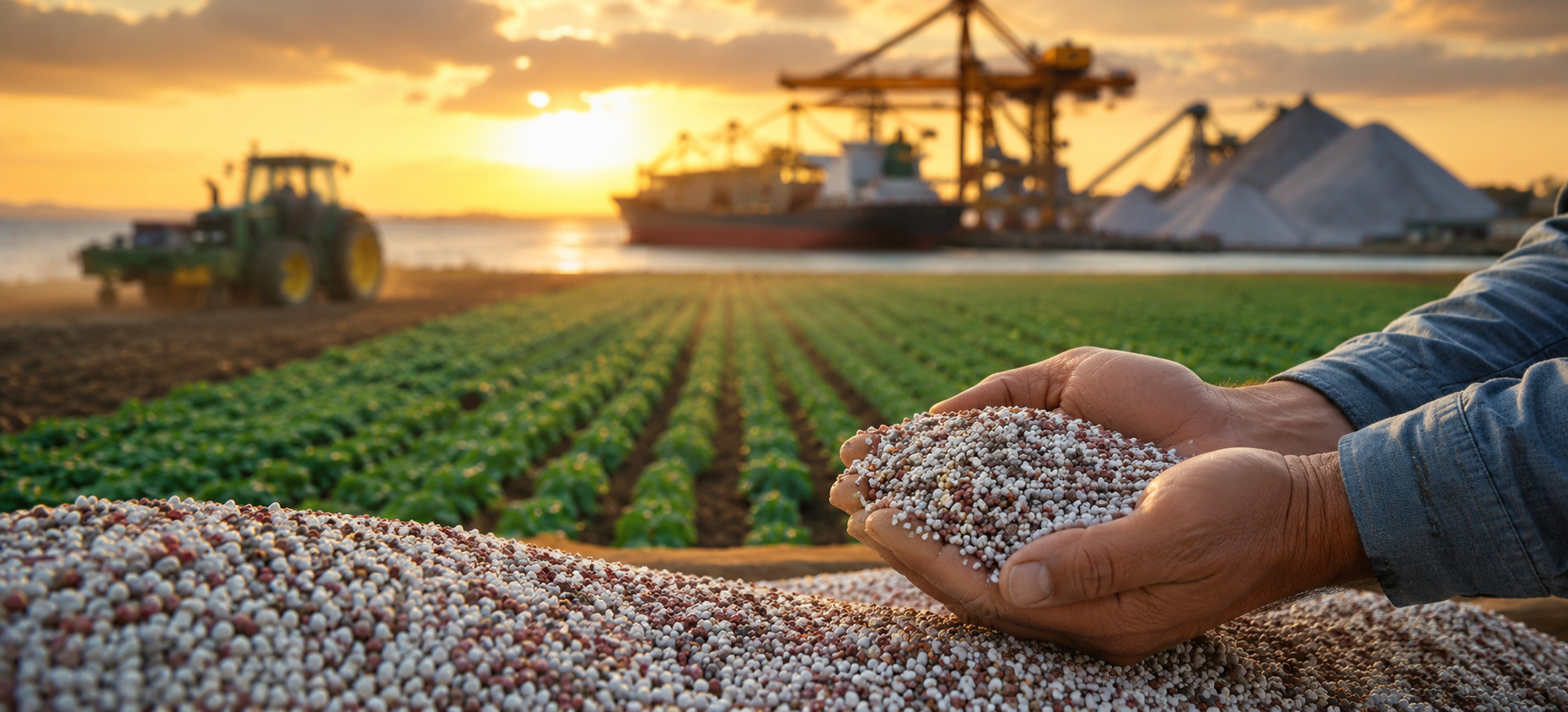
Brazil, the world’s largest net food exporter, faces a critical vulnerability as it imports approximately 90% of its fertilizer, making global food supply chains reliant on the stability of Brazil’s access to key nutrients.
In 2024, Brazil exported €130.66 billion in agricultural products, maintaining a net surplus of about €116.72 billion. However, the country’s fertilizer import bill reached €13.93 billion, and its nitrogen-fertilizer trade deficit stands at €3.89 billion, the largest worldwide. According to market data, Brazil produces barely 1% of its fertilizer needs domestically and imports about 98% of its potash from suppliers such as Canada, Russia, and Belarus.
This dependency creates a significant risk for global food security, as disruptions—whether due to geopolitical tensions or natural disasters—could sharply reduce Brazil’s agricultural output. The country’s farms supply food to approximately 800 million people globally, meaning any interruption in fertilizer supply could have wide-reaching effects on international food prices and availability.
To mitigate these risks, the Brazilian government has launched the National Fertilizer Plan and enacted the Profert law in September 2026, authorizing €1.81 billion in tax credits and incentives for domestic fertilizer plants. Projects include Brazil Potash developing Amazonian deposits and Petrobras planning to restart ammonia and urea plants. The government targets domestic potash production of 6.3 million metric tons by 2030 and 14.6 million metric tons by 2050.
International development banks have also highlighted the systemic importance of fertilizer supply chains, issuing a joint statement in August 2026 supporting enhanced global cooperation and investment.
For Europe and Latin America, stability in Brazil’s fertilizer supply is critical. Disruptions could raise costs for companies sourcing agricultural commodities, impact food processors and retailers, and increase volatility for investors and policymakers managing supply chain resilience.
The country’s efforts to develop local production and diversify supply sources represent both a challenge and an opportunity to enhance food security and reduce market volatility. For more detail, see the original reporting by Fortune.