BYD Doubles Brazil Production Capacity, Targets Top Automaker Spot by 2030
BYD plans to double its annual output in Brazil to 600,000 vehicles, aiming to become the country's largest automaker by 2030.

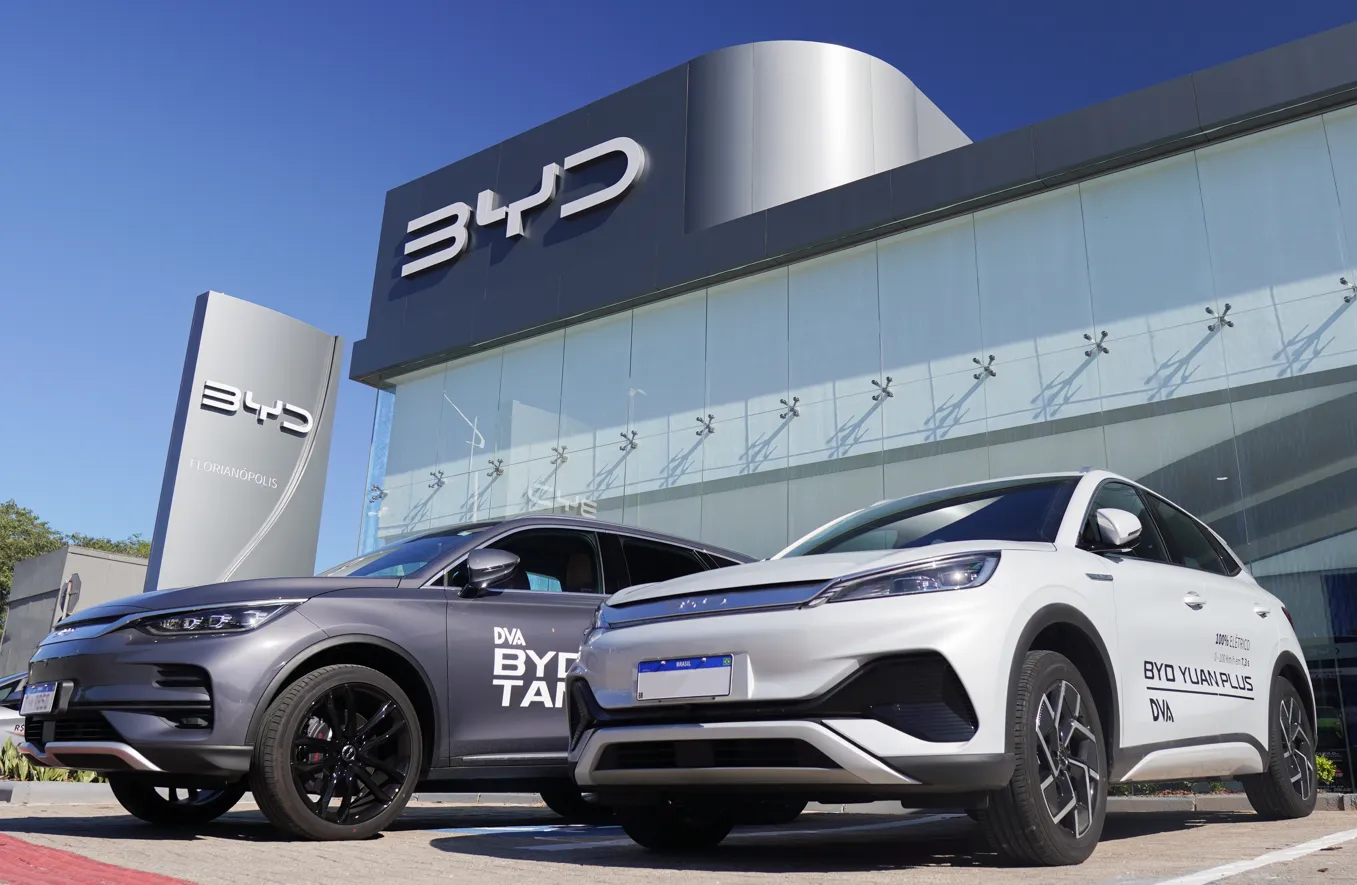
BYD is set to double its annual vehicle production capacity in Brazil to 600,000 vehicles, as part of a strategy to become the country's largest automaker by 2030.
The Chinese electric vehicle manufacturer plans to deliver 25,000 vehicles per month by the end of 2026, a figure that approaches Brazil's average monthly demand of 30,000 cars, according to company projections. This production boost is designed to address both growing local demand and regulatory requirements for increased local sourcing.
Alexandre Baldy, BYD's Senior Vice President, stated that the company aims to source over 50% of its components locally by 2027, responding to pressure from local industry groups concerned about reliance on imports. Meeting these requirements is crucial for BYD to secure its position in Brazil’s automotive market and avoid regulatory scrutiny.
Industry analysts note that BYD’s expansion could reshape the competitive landscape, with potential consequences for established automakers and local suppliers. The shift toward local component sourcing is expected to stimulate the supply chain, though some local groups remain wary of BYD's rapid growth and initial dependence on imported parts.
BYD’s Brazil factory is also positioned as a regional hub, with plans to support markets in Mexico, Argentina, Colombia, and Uruguay. This broader Latin American strategy is seen as a move to solidify the company’s influence across the region, leveraging Brazil’s manufacturing base for regional exports.
The company faces challenges in scaling production to meet ambitious targets amid high consumer demand and potential industry pushback. Nonetheless, BYD’s commitment to local sourcing and capacity expansion underscores its determination to lead Brazil’s auto industry by the end of the decade.