Chile’s fiscal outlook under pressure as copper prices slump and subsidies rise under Kast
Chile’s government faces growing fiscal challenges as falling copper prices and increased fuel subsidies strain President Kast’s budget targets and credit standing.

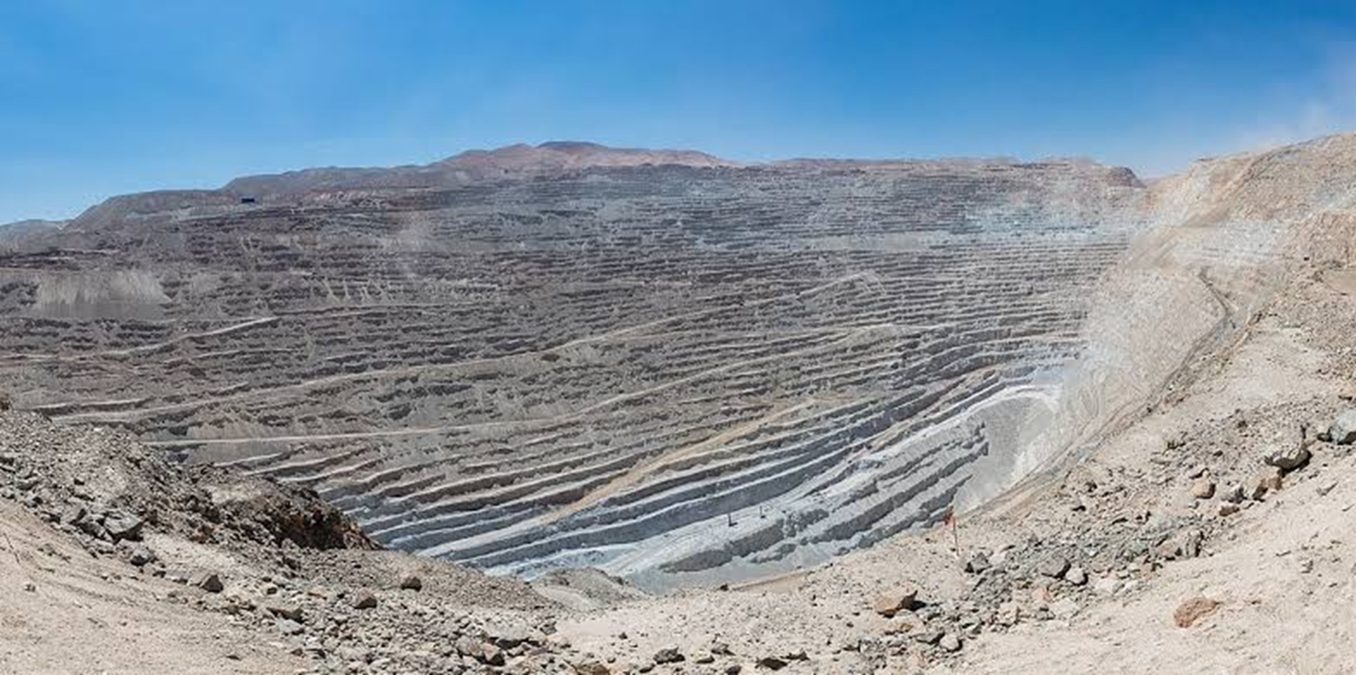
Chile's government is under increasing fiscal pressure as a significant slump in copper prices, combined with rising fuel subsidies and weak economic growth, challenges President José Antonio Kast’s efforts to control the fiscal deficit. Copper, which represents roughly half of Chile's exports and a substantial share of government revenue, fell about 10% in New York last week, pushing prices more than 20% below their record closing high in early September. This decline has raised concerns over Chile’s ability to finance its budget plans.
Persistently high oil prices and reduced copper revenues are an unfavorable combination for Chile at a time of sluggish economic growth. The government recently agreed to increase fuel subsidies after protests from truck drivers, adding to fiscal pressures. Economic data showed that Chile’s gross domestic product contracted more than expected in the third quarter, further straining government finances.
President Kast, who assumed office on March 11, has provided limited updates on his pledge to cut government spending within 18 months. Additionally, the administration has abandoned its previous goal to eliminate the structural budget deficit by 2030, raising questions about the strategy for consolidating public finances in the absence of elevated copper prices.
Revenue from private mining companies and transfers from state-owned copper producer Codelco rose significantly in the first nine months of 2026, according to Chilean government figures. These mining-related revenues accounted for a notable portion of government income, helping to narrow the budget deficit earlier in the year. However, with copper prices falling and new subsidy commitments, maintaining fiscal balance is becoming more challenging.
The administration is also considering legislative changes that could expand private-sector involvement in Codelco. Chilean Finance Minister Jorge Quiroz has indicated the possibility of allowing private investors to acquire a minority stake in the state-owned company, though not in the immediate future. Economy and Mining Minister Daniel Mas has noted potential legislative adjustments to permit private company participation in certain Codelco projects. These proposals have faced criticism from opposition lawmakers and unions, who question the government’s portrayal of Codelco’s financial challenges.
Rising fiscal pressures may attract closer scrutiny from international credit rating agencies as Chile is expected to increase sovereign debt issuance in 2027. Despite previous downgrades, Chile retains a strong credit rating compared to other countries in the region. However, the combination of lower copper revenues, higher subsidy costs and slow economic growth could complicate efforts to maintain this status.