Cyber-attack hits supermarket freezers across Europe, raising food safety and security concerns
Supermarkets in Sweden, Belgium, and Luxembourg report IT incidents affecting refrigeration, exposing vulnerabilities in connected systems.

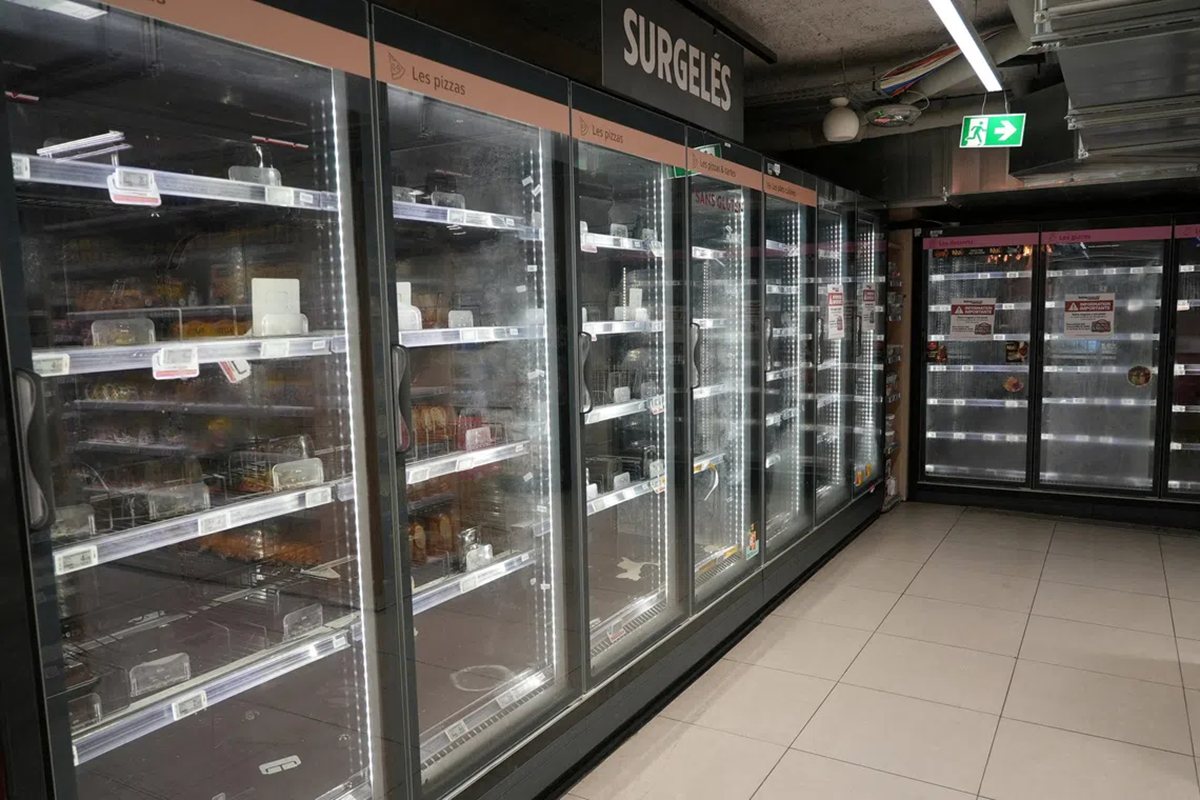
A fresh wave of cyber-attacks targeting supermarket refrigeration systems has hit Sweden, Belgium and Luxembourg, intensifying concerns over the security of internet-connected infrastructure in Europe’s retail sector.
Coop, one of Sweden’s largest supermarket chains, confirmed that six of its stores were affected by abnormal temperature increases overnight, while ICA reported similar issues in a limited number of outlets. In Belgium and Luxembourg, Ahold Delhaize acknowledged an IT incident impacting fridges and freezers in dozens of its supermarkets. The disruptions extended to five Spar outlets and Shop & Go convenience stores.
The incidents echo an October cyber-attack in France, where hackers manipulated refrigeration temperatures in up to 700 supermarkets, causing losses from tens of thousands of euros to more than €130,000 per location. Two stores in Alsace suffered combined damages of €270,000. The temperature swings in previous attacks ranged from minus 27C to above 50C, threatening food safety and resulting in major product losses.
Technicians from Belgian firm Sabcobel have been dispatched to address the refrigeration issues, but the business impact could be significant. For affected supermarkets, food spoilage translates directly into lost revenue and higher operational costs.
The recent attacks underscore the vulnerability of internet-connected cooling systems, a growing concern as retailers digitise more of their infrastructure. Retailers face mounting pressure to enhance cybersecurity measures, and regulatory scrutiny is likely to increase as supply chain and food safety risks become more apparent.
At the same time, the incidents highlight an opportunity for cybersecurity providers to develop solutions tailored to the retail industry. The stakes are high: as supermarkets rely increasingly on interconnected systems for efficiency, the potential for disruption—and financial loss—intensifies.