Eastern Europe accelerates nuclear investments to reduce Russian energy dependence
Eastern European nations are ramping up nuclear energy projects to strengthen energy security and reshape the region's energy market.

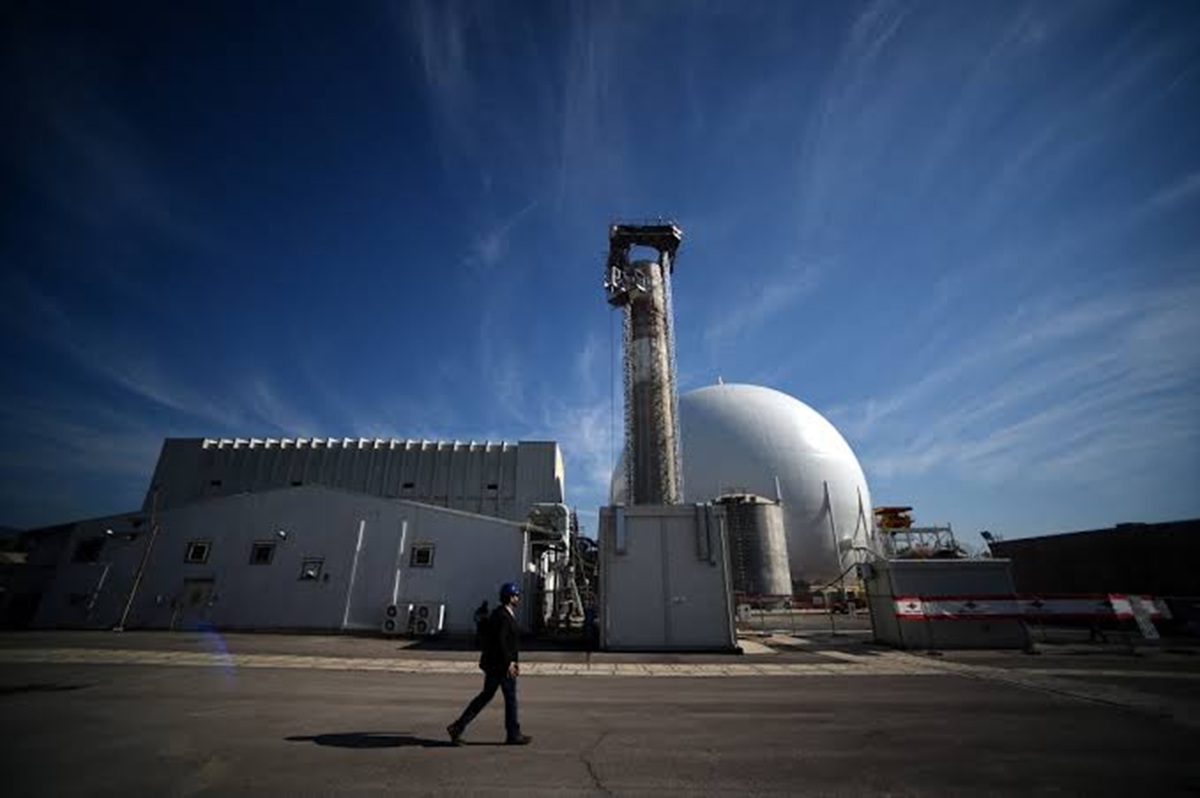
Eastern European countries are intensifying their investments in nuclear energy following Russia's invasion of Ukraine, aiming to diversify energy sources and curb reliance on Russian supplies.
Governments across the region have introduced policies to accelerate nuclear development, viewing it as a strategic response to heightened geopolitical risks. This shift is expected to attract significant capital flows, with energy companies stepping up investment in new nuclear infrastructure.
The move marks a notable realignment in regional energy strategy. As these countries pivot away from Russian energy, they are also seeking closer alignment with EU energy policy, fostering stronger internal market integration and potentially enhancing the bloc's overall energy resilience.
For the energy sector, the nuclear investment surge could bring increased competition and greater price stability. By reducing dependency on a single supplier, Eastern European nations aim to bolster their energy independence, a key concern since the outbreak of the war in Ukraine.
However, industry analysts caution that the rapid expansion of nuclear projects carries risks. Regulatory hurdles and local opposition to nuclear energy could delay implementation, affecting the projected timelines for new capacity. Despite these challenges, the opportunity to attract foreign investment and reinforce energy security remains a central driver for policymakers and companies.
The evolving landscape is likely to reshape not only regional supply chains but also the competitive dynamics of the European energy market, with implications for both investors and consumers. As nuclear projects advance, the region will be closely watched as a test case for energy transition strategies within the EU.