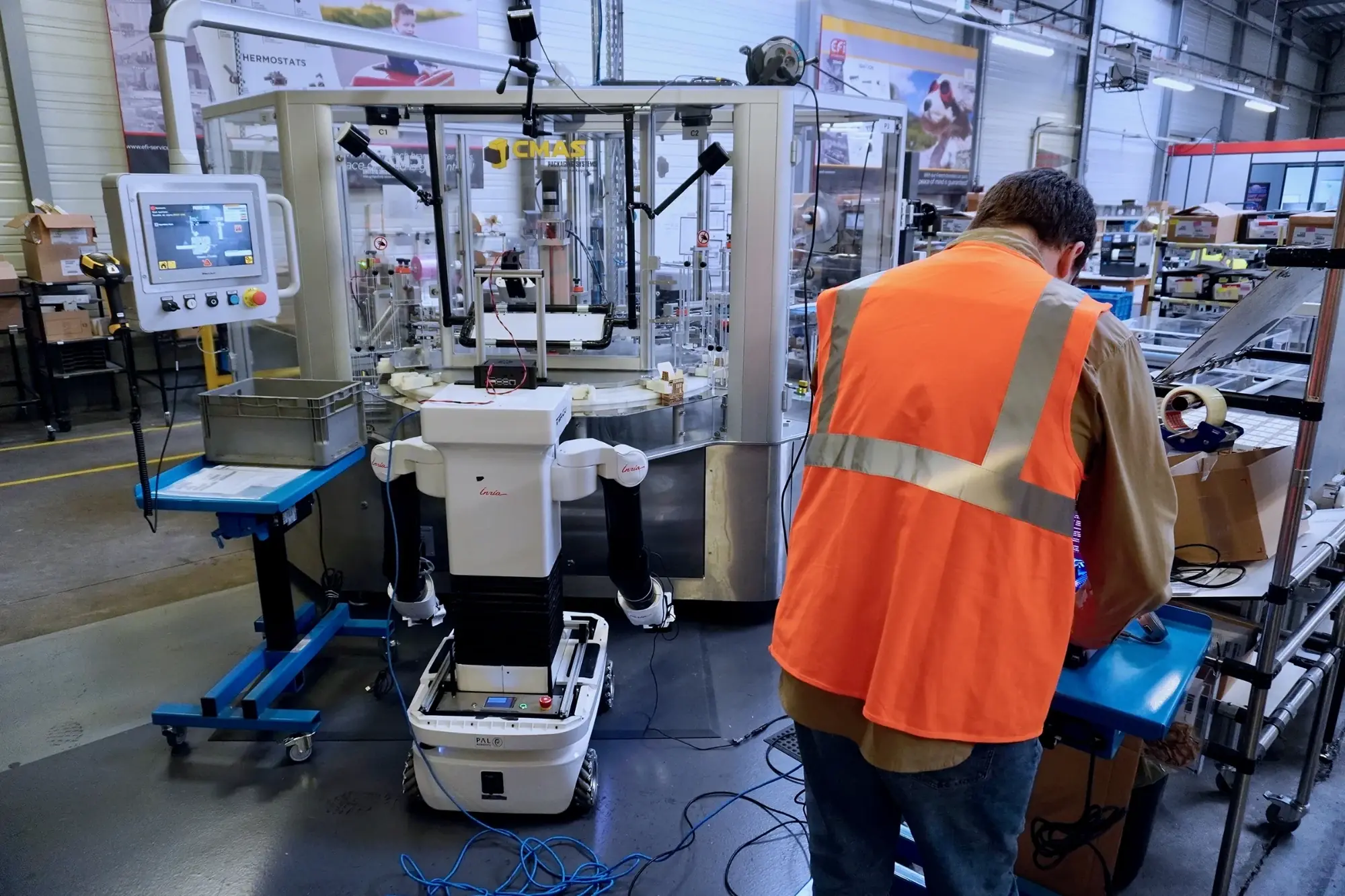

EU industrial policy resurgence sparks debate on effectiveness versus US and China
The EU's renewed focus on industrial policy aims to boost innovation and resilience but raises questions about effectiveness and risks.
Topic
Latest business news, analysis and developments related to ECB, with a focus on Europe, Latin America and cross-Atlantic business.
34 articles

The EU's renewed focus on industrial policy aims to boost innovation and resilience but raises questions about effectiveness and risks.

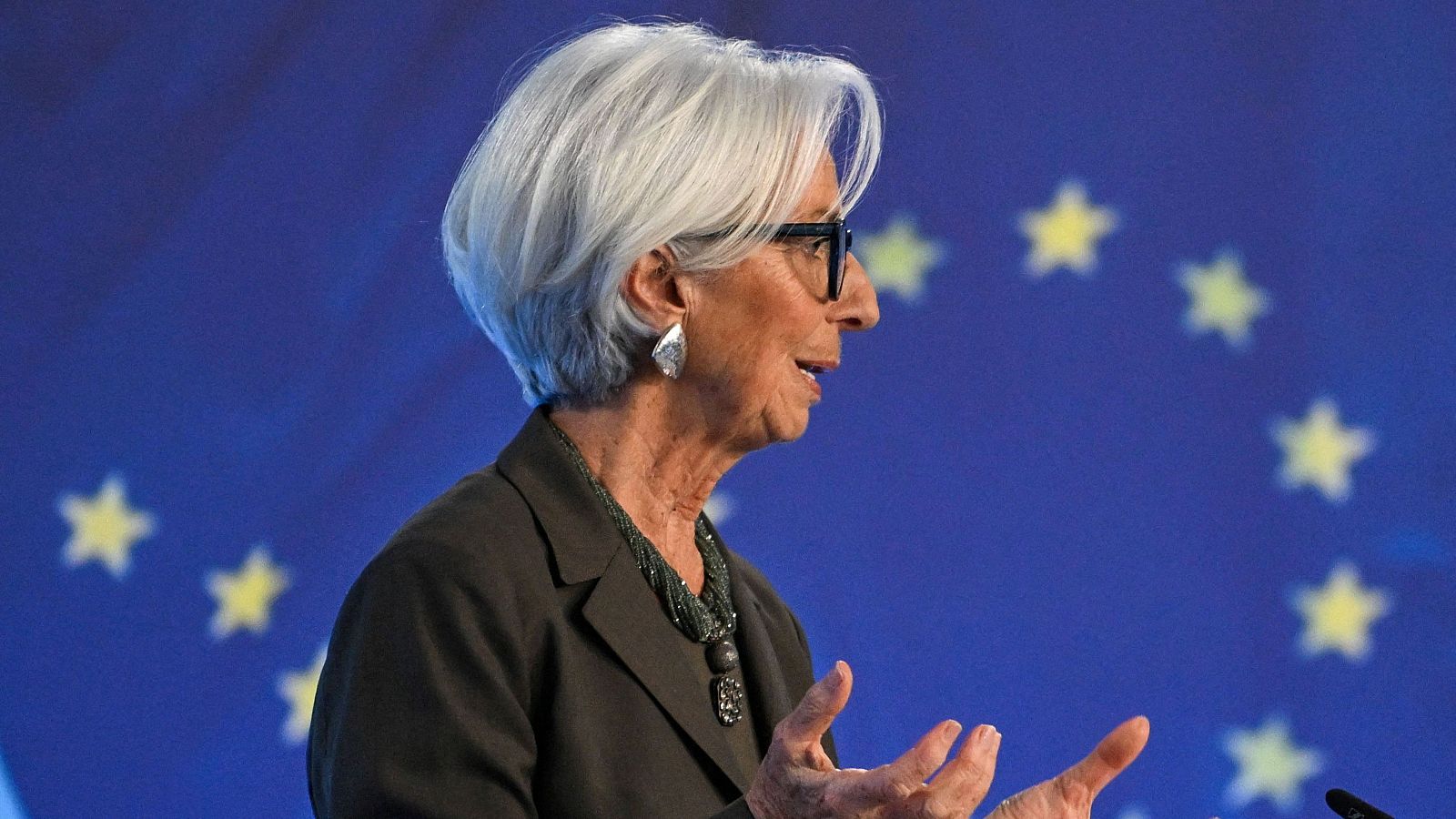
ECB President Christine Lagarde stated that inflation will likely stay high, shaping future monetary policy.

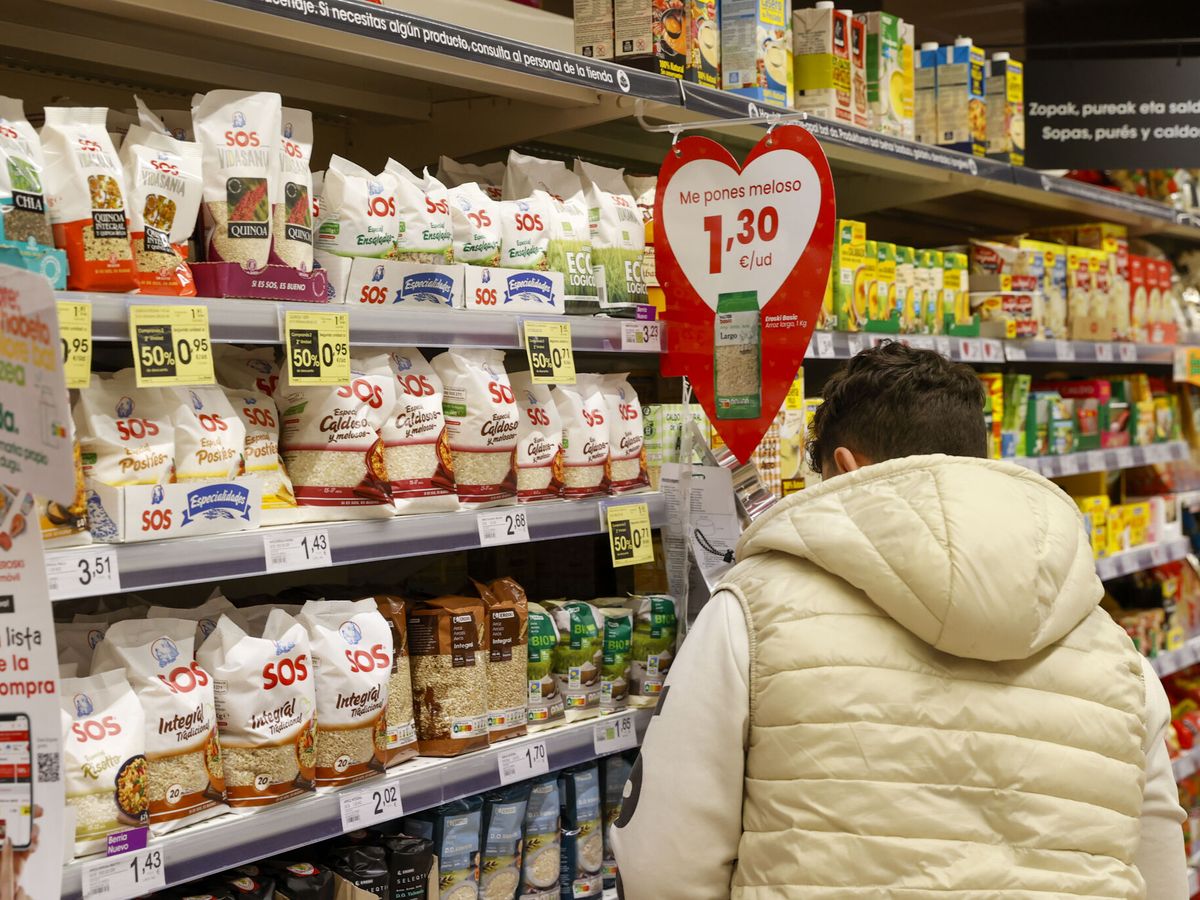
Eurozone inflation hit 4% in October, the steepest rise in three years, prompting consumers to adjust spending as policy tightening looms.

Diverging inflation in Italy, Spain, France and Germany highlights energy price shocks and raises new questions for ECB policy.

Italy's annual inflation rate soared to 5.4% in October, led by rising energy costs, intensifying economic and policy challenges across the eurozone.

Christine Lagarde’s departure as ECB President in February 2027 opens a high-stakes contest for her successor, with implications for monetary policy amid eurozone stagnation.

ECB survey finds euro area firms face higher loan costs and less credit availability, threatening investment and economic momentum.

Volatility in the French bond market elevates the ECB presidency contest, as candidates' strategies for market stability become central to investor confidence.

The European Central Bank is expected to raise interest rates in December after a pause, marking a pivotal policy shift with broad market implications.

Mounting economic volatility in France is raising alarm at the European Central Bank, with potential repercussions for eurozone confidence and global investment flows.

The euro tumbled to $1.1161 amid surging French bond yields and Spain's snap election, raising the spectre of renewed eurozone instability and higher borrowing costs.

Eurozone inflation reached 3.8% in September 2023, its highest level in three years, as energy prices surged nearly 19%, raising pressure on the ECB and member states.

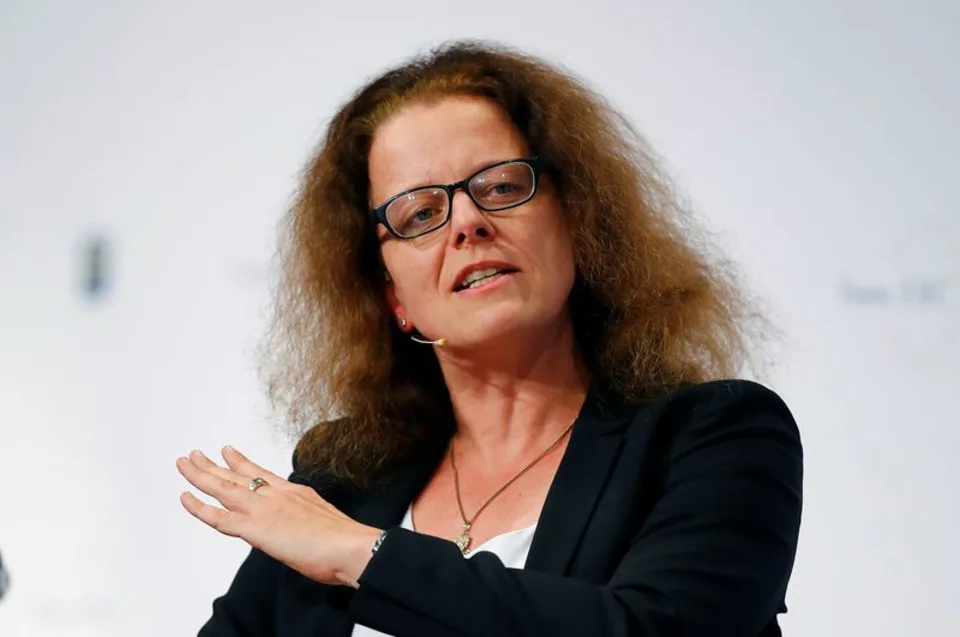
ECB Executive Board member Isabel Schnabel stressed the central bank’s commitment to price stability and greater transparency as the euro area faces overlapping economic shocks.

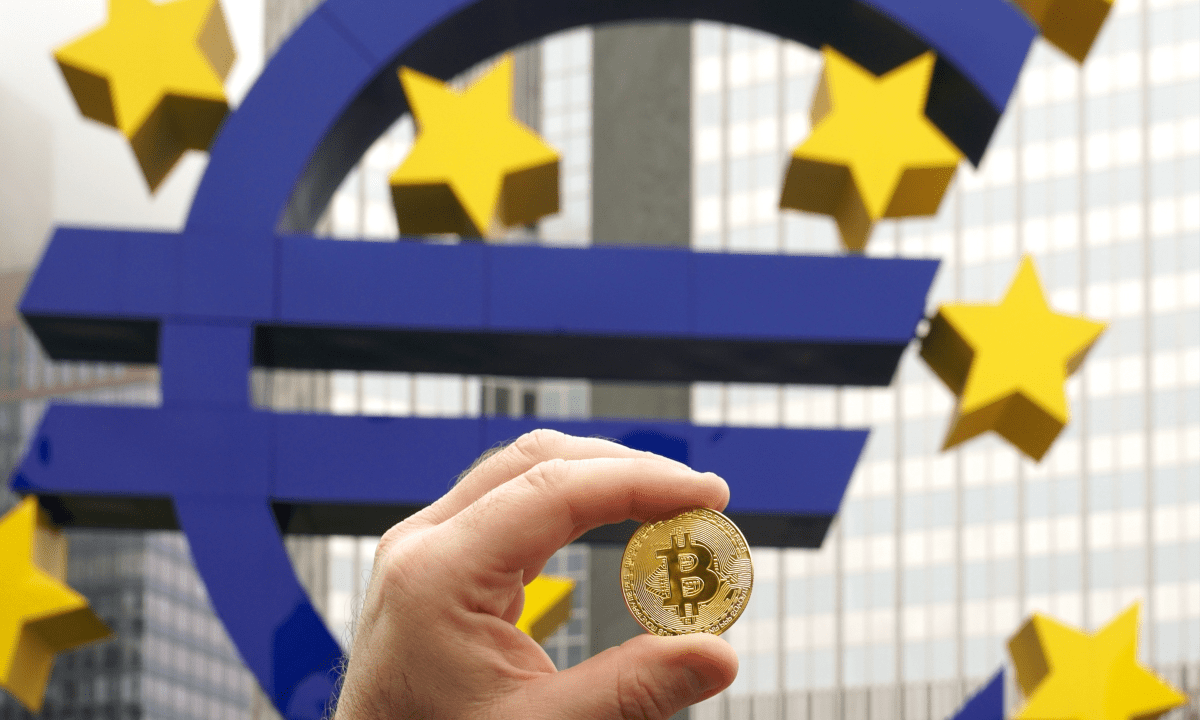
The European Central Bank is pressing for stricter EU crypto regulation, including a broader ban on stablecoin interest and enhanced oversight of dollar-linked tokens.

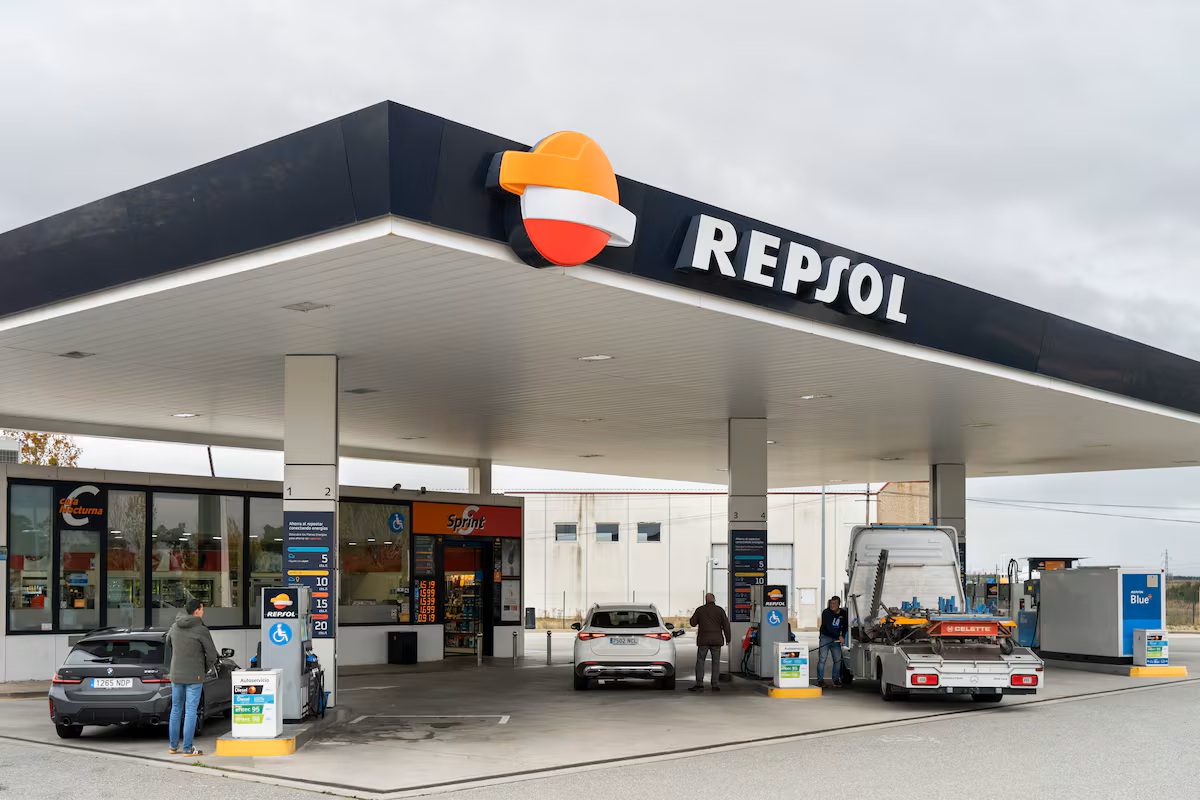
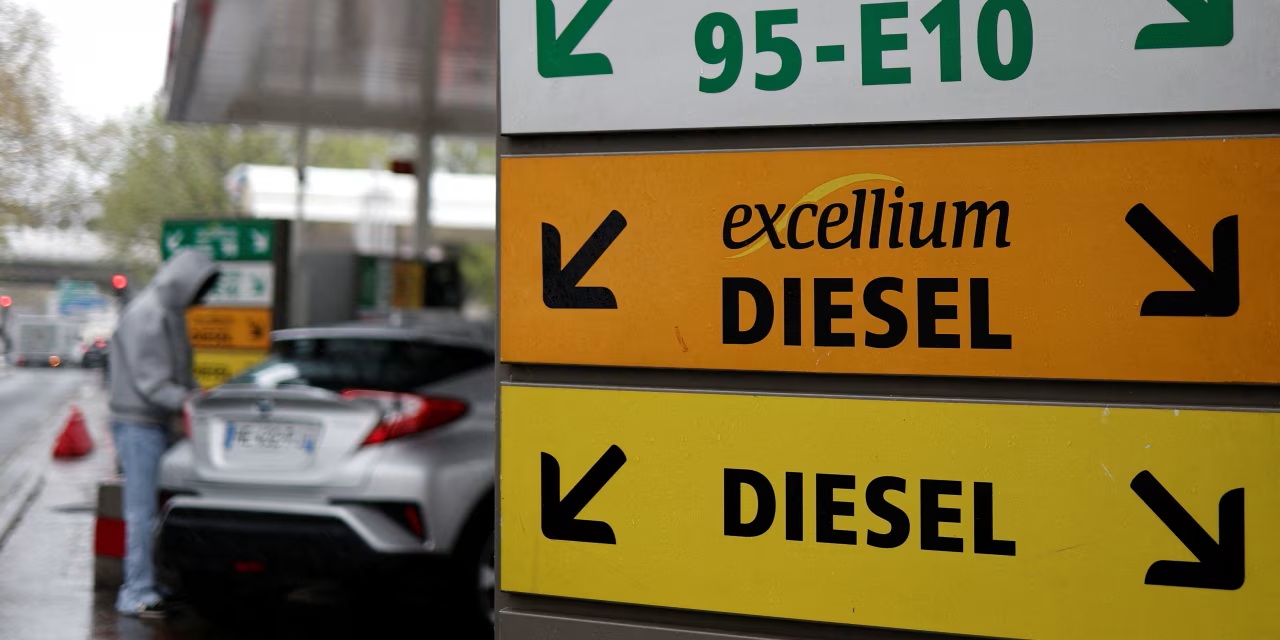
Petrol and diesel costs have climbed to their highest levels since the European Commission began compiling comparable data in 2005. ECB specialists expect diesel refining margins to peak in October, leaving businesses and consumers exposed to further transport-cost pressures.

European Central Bank President Christine Lagarde has blocked Binance from operating in the EU, underlining a stricter regulatory approach to cryptocurrency exchanges and bolstering the case for a digital euro.

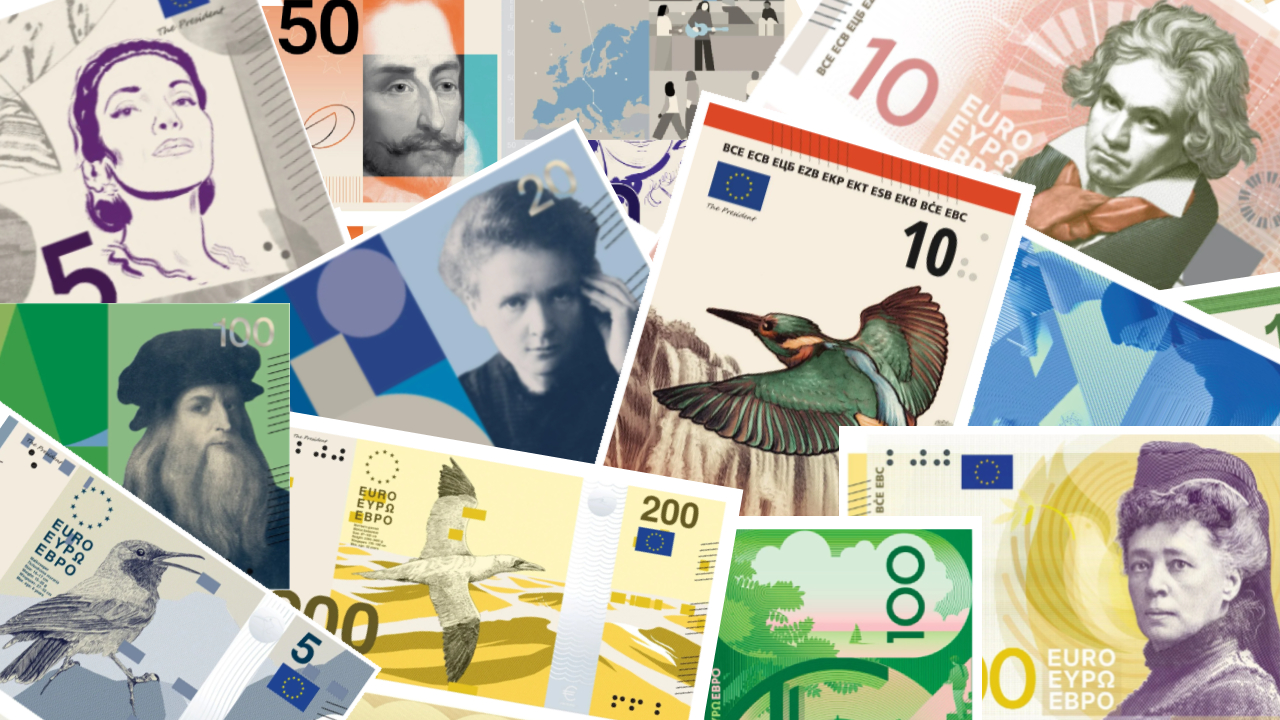
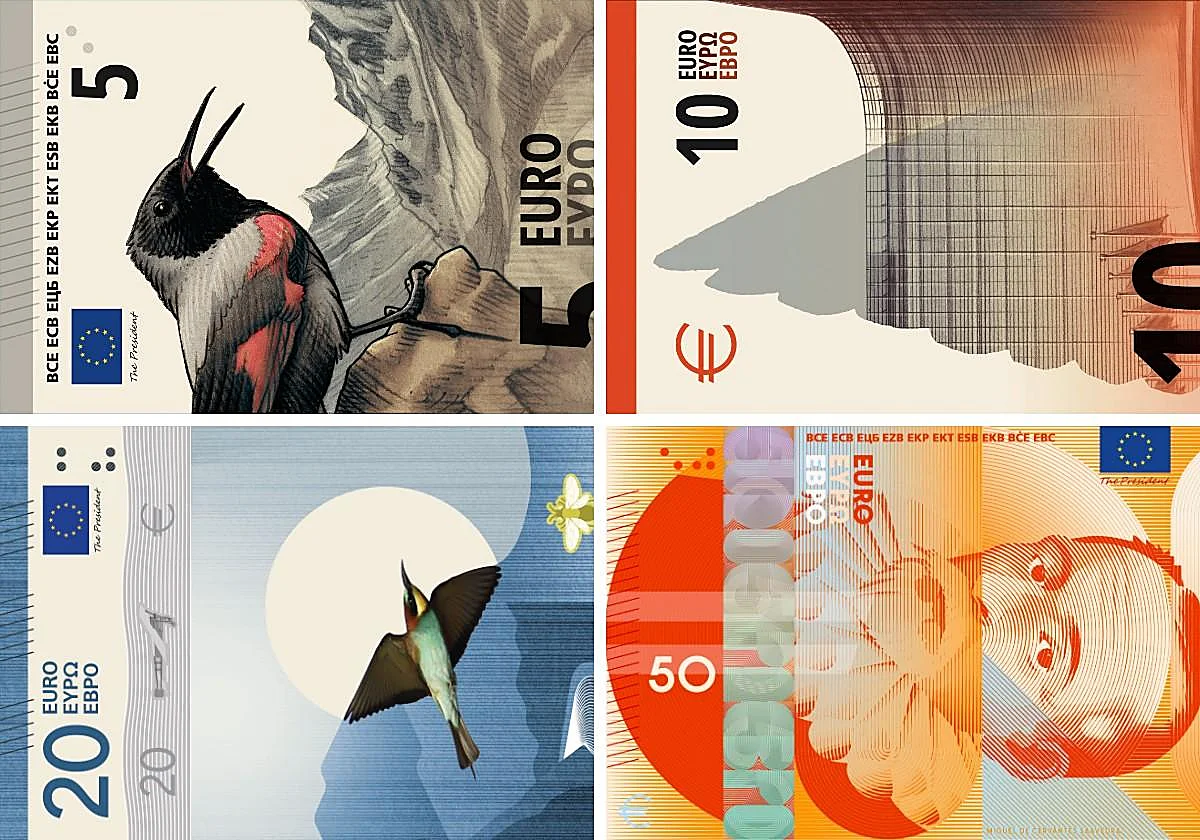
The European Central Bank is seeking public input on new euro banknote designs, with over 9 million Europeans already participating ahead of the 21 September survey deadline.

The European Central Bank lifted rates to 2.5% as surging oil prices from renewed Middle East conflict drive inflation risks across the eurozone.

Markets expect another quarter-point increase on 10 September, which would lift the deposit rate to 2.50%. But easing underlying inflation complicates the case for a more aggressive tightening cycle as policymakers assess the impact of the energy shock.

Energy prices accelerated in August, pushing inflation further above the European Central Bank’s target. However, a decline in core inflation complicates the case for sustained interest rate increases beyond the move markets expect in September.

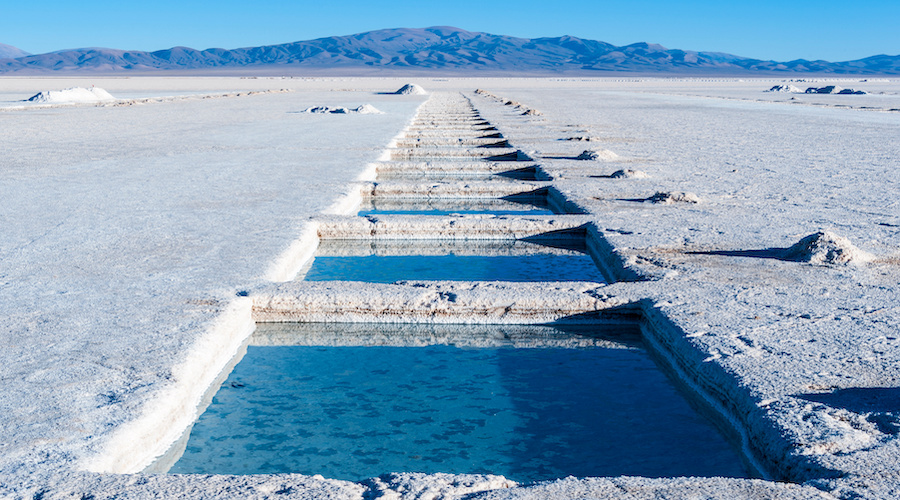
Argentina holds some of the world’s largest lithium and copper resources and could produce more than 1.5 million tonnes of copper annually by 2035. But turning geological wealth into strategic supply will require more than mines: Europe and other partners will need to bring capital, infrastructure and long-term buyers.

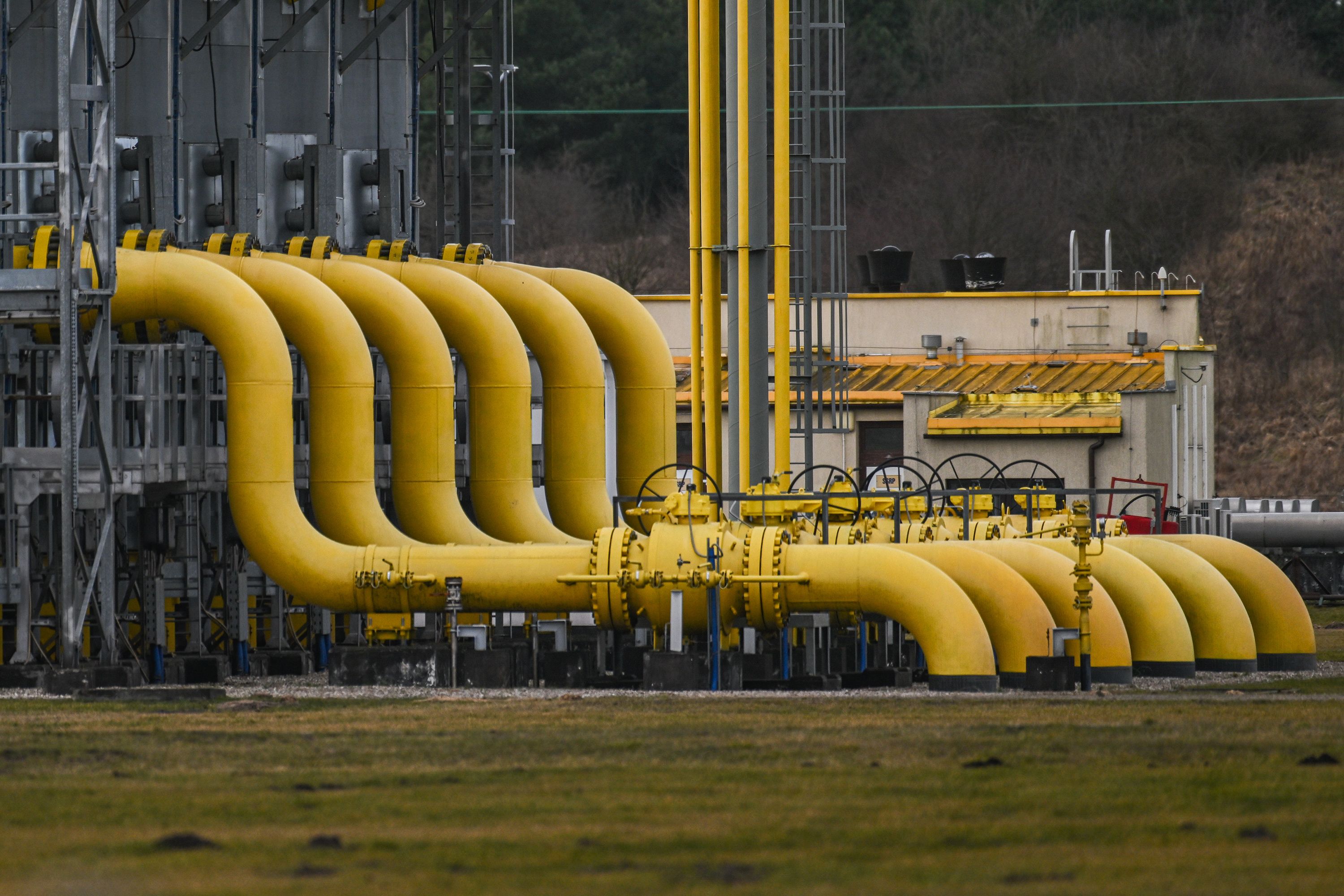
Europe is entering the final stretch before the heating season with gas inventories at historically low levels, while heatwaves, supply disruptions and stronger power demand push prices higher. The energy shock could also complicate the ECB’s fight against inflation.

The ECB president says Europe risks repeating the mistakes of the first digital revolution as the United States and China race ahead in artificial intelligence. Fragmented markets, limited access to capital and difficulties scaling companies are emerging as critical weaknesses for the EU economy.

Heatwaves, drought, wildfires and disruptions to energy, transport and agriculture could cost the European Union close to 1% of GDP this year, according to an analysis by Triodos Bank. France emerges as the most exposed of the bloc’s major economies, while the economic consequences of extreme temperatures are increasingly turning climate adaptation into a competitiveness issue for European businesses.

Annual inflation in the euro area increased to 2.9% in July, up from 2.8% in June, as higher energy prices pushed consumer costs higher across the bloc. The latest figures add to expectations that the European Central Bank (ECB) may consider further monetary tightening if inflationary pressures persist.

Poland has strengthened its position among the world’s leading official gold holders after increasing its reserves beyond those of the European Central Bank. The move reflects a broader trend among central banks seeking to diversify reserve assets and reinforce financial resilience amid persistent geopolitical and economic uncertainty.

The European Central Bank has launched a public consultation allowing citizens across Europe to vote on shortlisted designs for the next series of euro banknotes. The initiative marks the first complete redesign of euro notes since their introduction in 2002 and aims to combine stronger security features with symbols that better reflect Europe's shared identity.

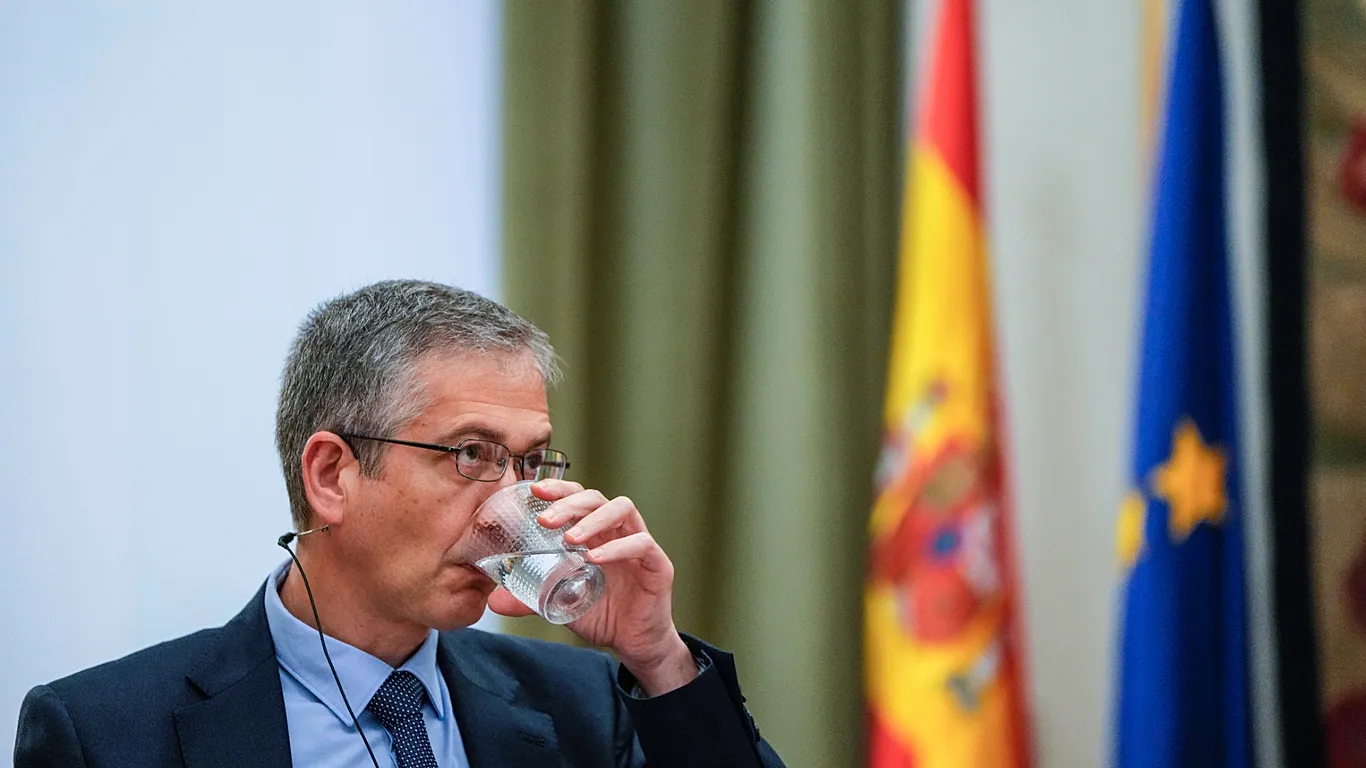
Spain has formally nominated Pablo Hernández de Cos, former governor of the Bank of Spain and current General Manager of the Bank for International Settlements (BIS), to become the next President of the European Central Bank (ECB). The move marks Madrid's first attempt to secure the institution's top position and reflects the country's ambition to strengthen its influence over eurozone monetary policy.

Inflation across the eurozone remained unchanged at 2.8% in June, reinforcing expectations that the European Central Bank (ECB) could slow the pace of monetary easing while continuing to monitor underlying price pressures. The latest figures highlight the delicate balance policymakers face between supporting economic growth and ensuring inflation returns sustainably to the 2% target.

Investors will closely monitor next week’s preliminary business activity data from the eurozone, the United States and the United Kingdom, alongside the European Central Bank’s latest monetary policy meeting. The combination of PMI indicators, interest-rate guidance and persistent geopolitical uncertainty is expected to shape market expectations for economic growth and central bank policy during the second half of the year.