
EU Food Standards Spark Debate Over Future of UK Meat Imports
Proposed changes linked to the evolving UK–EU sanitary and phytosanitary (SPS) framework have reignited debate within Britain's agricultural sector over the potential impact of future meat imports. Farming organisations have expressed concerns that regulatory alignment and changes to import rules could increase competition from overseas producers, while government officials argue that the agreement is designed to simplify trade without compromising food safety standards.

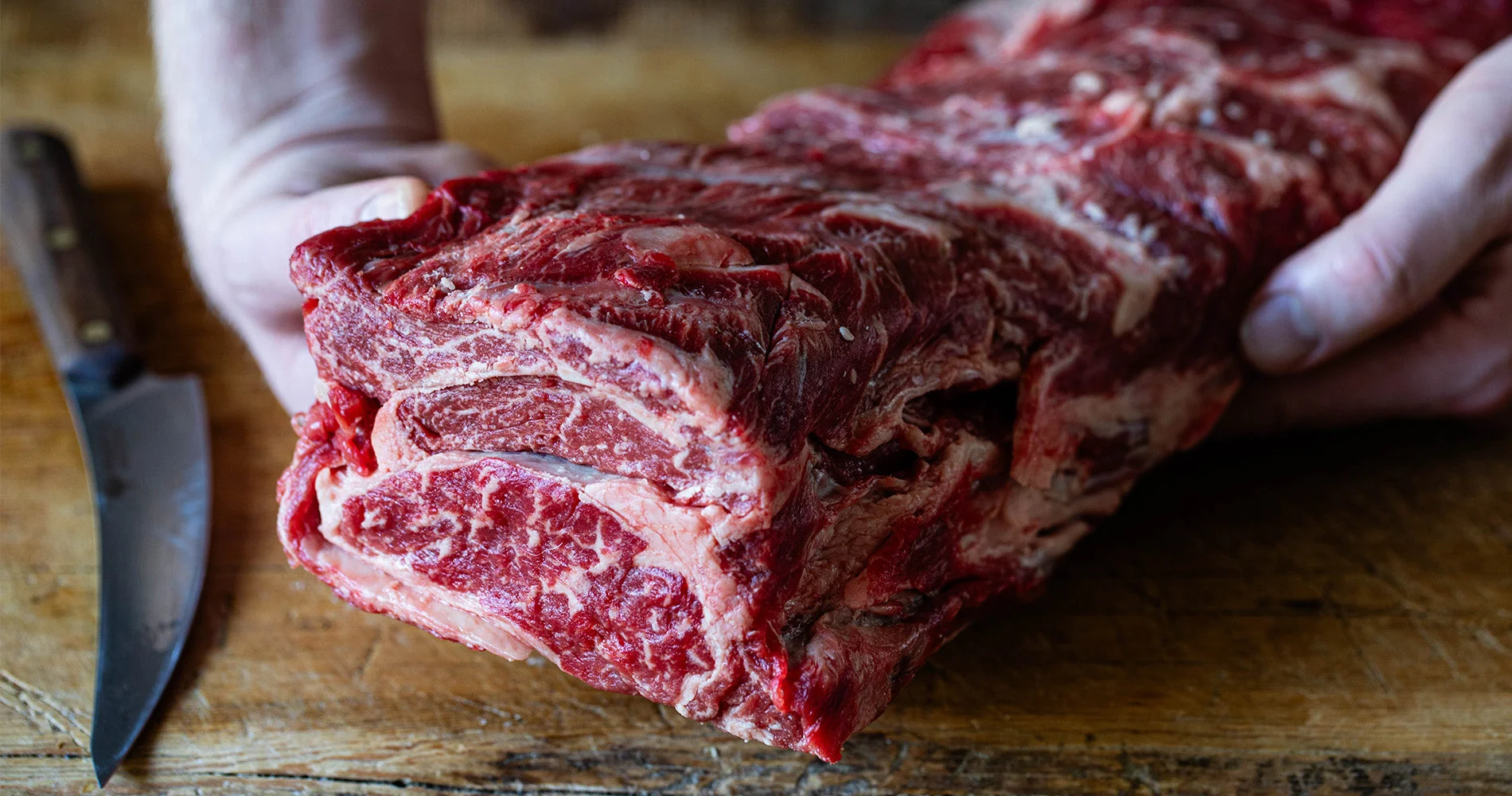
The future of Britain's meat industry has become the focus of renewed discussion following developments surrounding the implementation of the UK–EU Sanitary and Phytosanitary (SPS) Agreement.
Agricultural groups have warned that adjustments to import regulations could increase competition from foreign meat entering the UK market, while the government maintains that the agreement is intended to reduce trade barriers with the European Union and improve supply chain efficiency without lowering existing standards.
Simplifying trade after Brexit
The SPS agreement aims to reduce administrative procedures affecting trade in agricultural and food products between the UK and the European Union.
Among its objectives are reducing border inspections, eliminating certain certification requirements and facilitating the movement of animal and plant products across the Channel, measures intended to lower costs for businesses and ease logistical bottlenecks created after Brexit.
Farmers raise competitiveness concerns
British farming organisations argue that easier market access for imported meat could intensify competition for domestic producers, particularly if products originate from countries with production costs lower than those in the UK.
Industry representatives are also closely monitoring how future trade policies and regulatory alignment with the EU may influence sourcing decisions by retailers and food processors.
While concerns focus primarily on market competitiveness, producers continue to call for equal regulatory standards to ensure a level playing field for all suppliers.
Government defends the agreement
UK authorities have stated that the SPS framework is designed to facilitate trade while maintaining robust biosecurity and food safety protections.
Officials emphasise that simplifying border procedures does not mean removing sanitary controls or reducing health standards. Instead, the agreement seeks to eliminate unnecessary bureaucracy while preserving mechanisms that protect consumers, livestock and agricultural production.
Food security and supply chains
The discussion comes at a time when governments across Europe are placing greater emphasis on resilient food supply chains.
Reducing administrative barriers could improve the availability of agricultural products, lower transportation costs and help stabilise food supplies, particularly during periods of market volatility.
At the same time, policymakers continue balancing consumer access to competitively priced food with the long-term sustainability of domestic agricultural production.
Trade policy remains politically sensitive
Agriculture has remained one of the most closely watched sectors since the UK's departure from the European Union.
Future changes affecting market access, import rules and regulatory cooperation are likely to attract continued scrutiny from farmers, food manufacturers, retailers and consumers alike.
The implementation of the SPS framework is therefore expected to remain an important element of the broader UK–EU economic relationship.
Balancing openness and domestic production
The debate illustrates the challenge of combining efficient international trade with the protection of national agricultural industries.
As the UK and the EU continue implementing their new sanitary and phytosanitary arrangements, policymakers will need to balance smoother cross-border commerce with maintaining confidence among domestic producers and ensuring high standards of food safety and animal health.