Spanish Farmers Demand Emergency Aid as Iran War Drives Up Diesel and Fertilizer Costs
Spanish farm groups warn of widespread crop losses and higher food prices as diesel and fertilizer costs soar following the outbreak of war in Iran, pressing Madrid for immediate intervention.

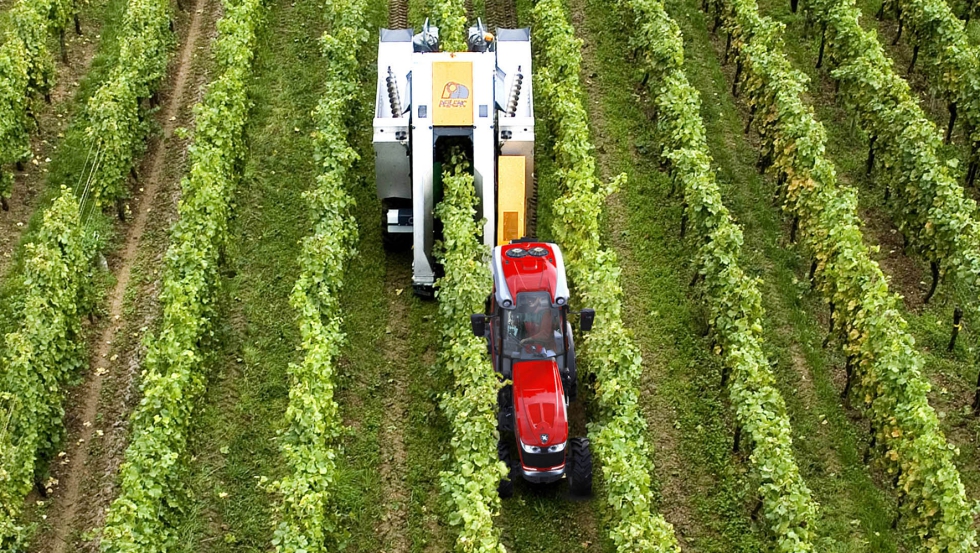
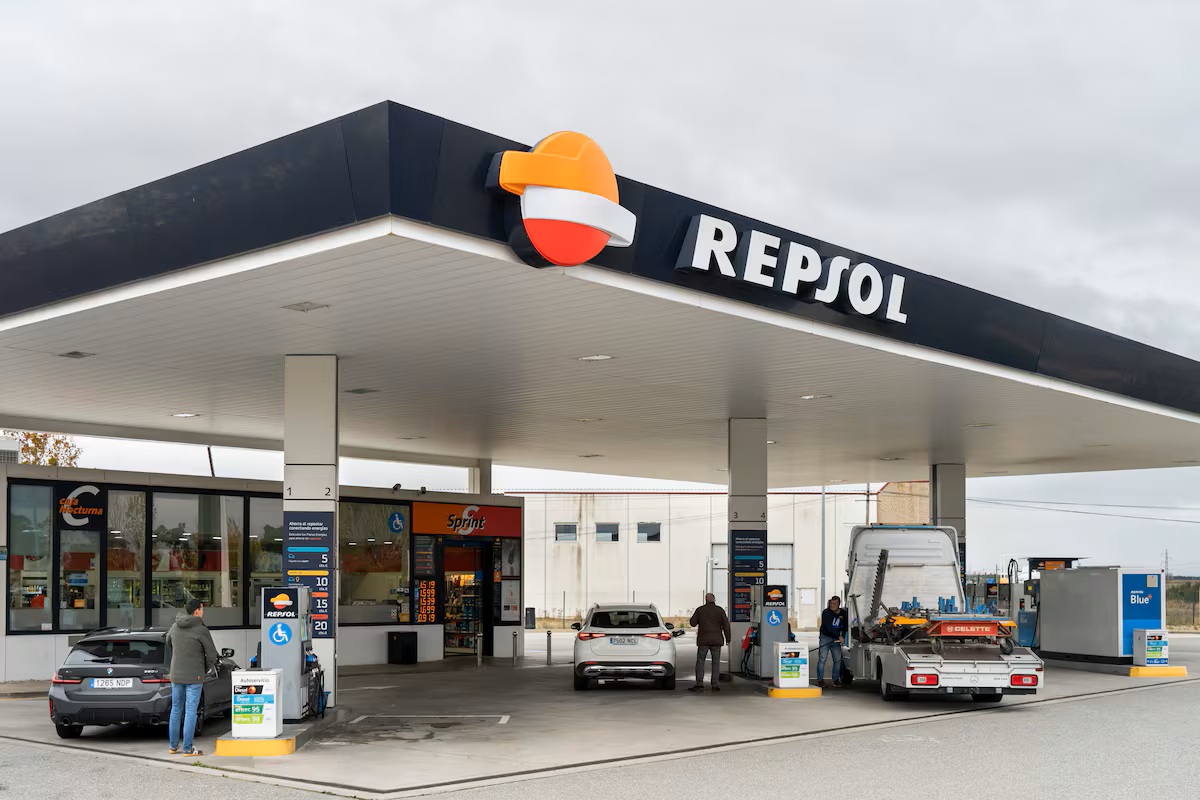
Spanish farmers' organizations including Asaja, COAG and UPA are urging the government to provide immediate financial assistance, citing a nearly 50% surge in agricultural diesel prices since the outbreak of war in Iran on February 28.
The groups warn that unless swift action is taken, up to 40% of crops could remain unsown due to unaffordable input costs, a scenario that could drive consumer food prices higher and threaten Spain's food sovereignty. Only half of the targeted farmers have received previously promised aid to offset fertilizer expenses, according to sector representatives.
The spike in fuel prices is attributed directly to disruptions in global oil markets caused by the Iran conflict. According to Asaja, COAG and UPA, the cost shock is not confined to farming: fishing vessels have faced an 85% increase in fuel costs, further straining Spain's food supply chain.
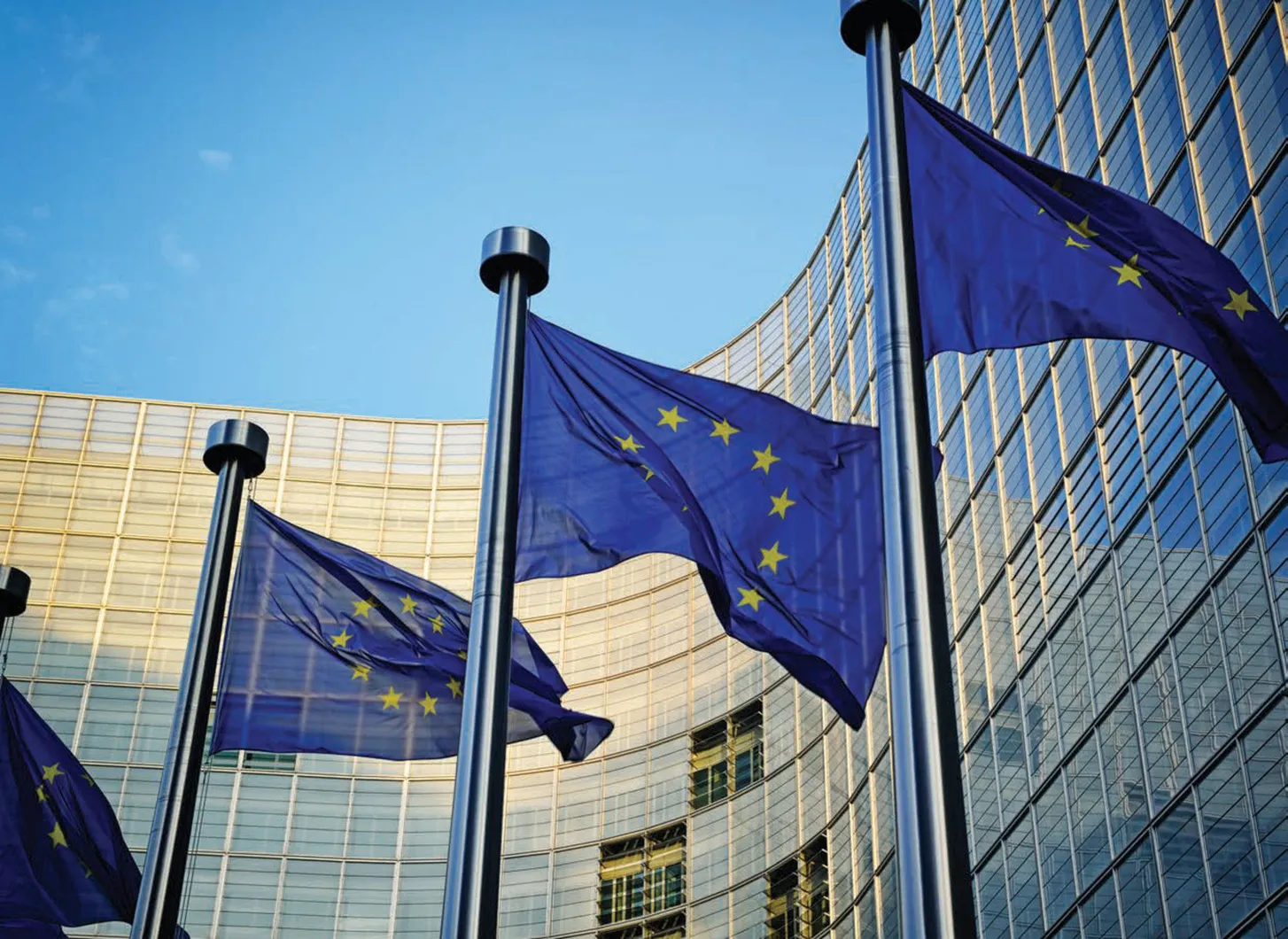
Farmers’ leaders argue that 70% of the diesel price hike is the margin permitted by the European Union, highlighting the need for both national and EU-level intervention. Unión de Uniones and Cooperativas Agroalimentarias have joined calls for a review of EU price control mechanisms and for more effective support to help producers absorb external shocks.
With the September 30 deadline for current support measures looming, the pressure is mounting on the government. Luis Planas, Minister of Agriculture, Fisheries and Food, and Carlos Cuerpo, Deputy Prime Minister and Finance Minister, are under intense scrutiny to announce concrete measures in the coming weeks.
The crisis underscores the vulnerability of Spain’s agricultural sector to geopolitical volatility and global market fluctuations. Industry leaders warn that without targeted intervention, the viability of many farms is at risk, with potential knock-on effects for food security and inflation across the European Union.
The government faces a critical choice: step in to stabilize the sector, or risk social unrest and long-term structural damage to Spanish agriculture. The situation is prompting wider debate about the adequacy of EU agricultural policy and the need for reforms to protect producers from external shocks.