EU-Mercosur deal drives surge in Brazil’s oil exports to Europe as tax breaks reshape trade flows
Brazil’s oil exports to Europe have nearly doubled as Mercosur tax breaks under the EU-Mercosur agreement give Brazilian producers a competitive edge.

Brazil’s crude oil exports to Europe have surged to their highest levels on record following substantial reductions in export duties under the EU-Mercosur agreement, a shift that is altering global oil trade patterns and bolstering European energy security.
Brazil reached a record oil output of 4.7 million barrels per day (b/d) in September, up 20.3% year-on-year. The government’s 12% crude export tax, introduced in March 2022 and extended through December, has been partially lifted for EU-bound shipments under the EU-Mercosur trade deal, with a requirement to cut qualifying export duties by at least 50%.
The result: EU-bound Brazilian oil loadings reached 975,000 b/d by August, nearly double the 490,000 b/d average before the agreement. This has increased the EU’s share of Brazilian crude imports from 22% to approximately 34%, positioning Europe as a more prominent buyer amid persistent geopolitical tensions and shifting global demand.
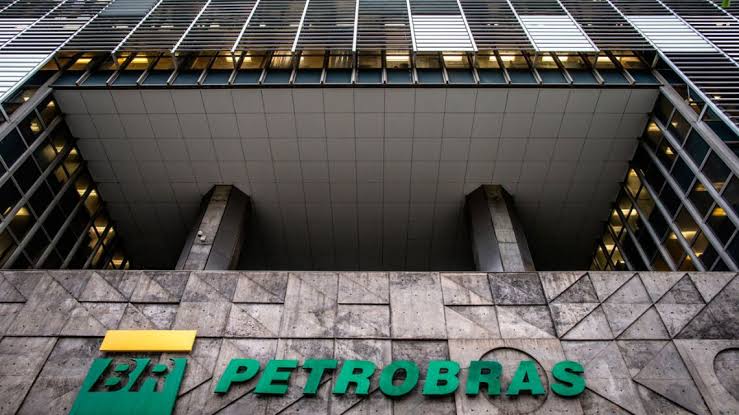
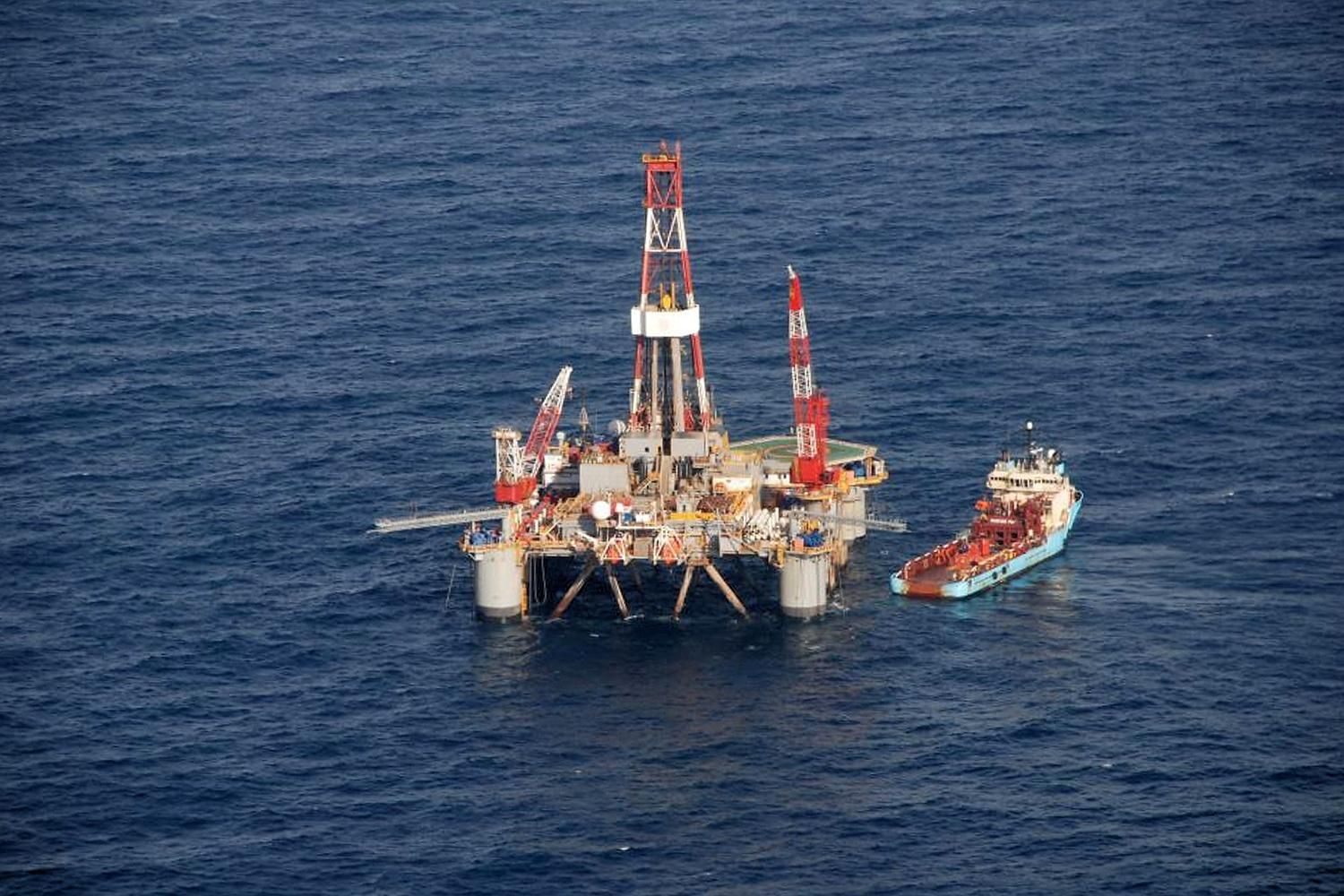
For Brazilian producers such as Petrobras and international partners like Equinor, the tax breaks provide an opportunity to market oil at competitive prices to European refiners. This shift allows for greater revenue potential and reduces reliance on Asian buyers. New offshore projects, including additional platforms at the Buzios field scheduled for October 2024, are expected to further increase export capacity.
For the EU, the trade agreement delivers lower crude costs and diversified supply, enhancing energy security as the bloc seeks alternatives to Russian oil. However, the increased dependence on European markets and exposure to price volatility present ongoing risks for Brazilian exporters.