EU provisionally agrees to fast-track renewable energy permits, aiming to cut project delays
The EU's provisional agreement to streamline renewable energy permitting could sharply reduce project delays, but member states have 18 months to implement the new rules.

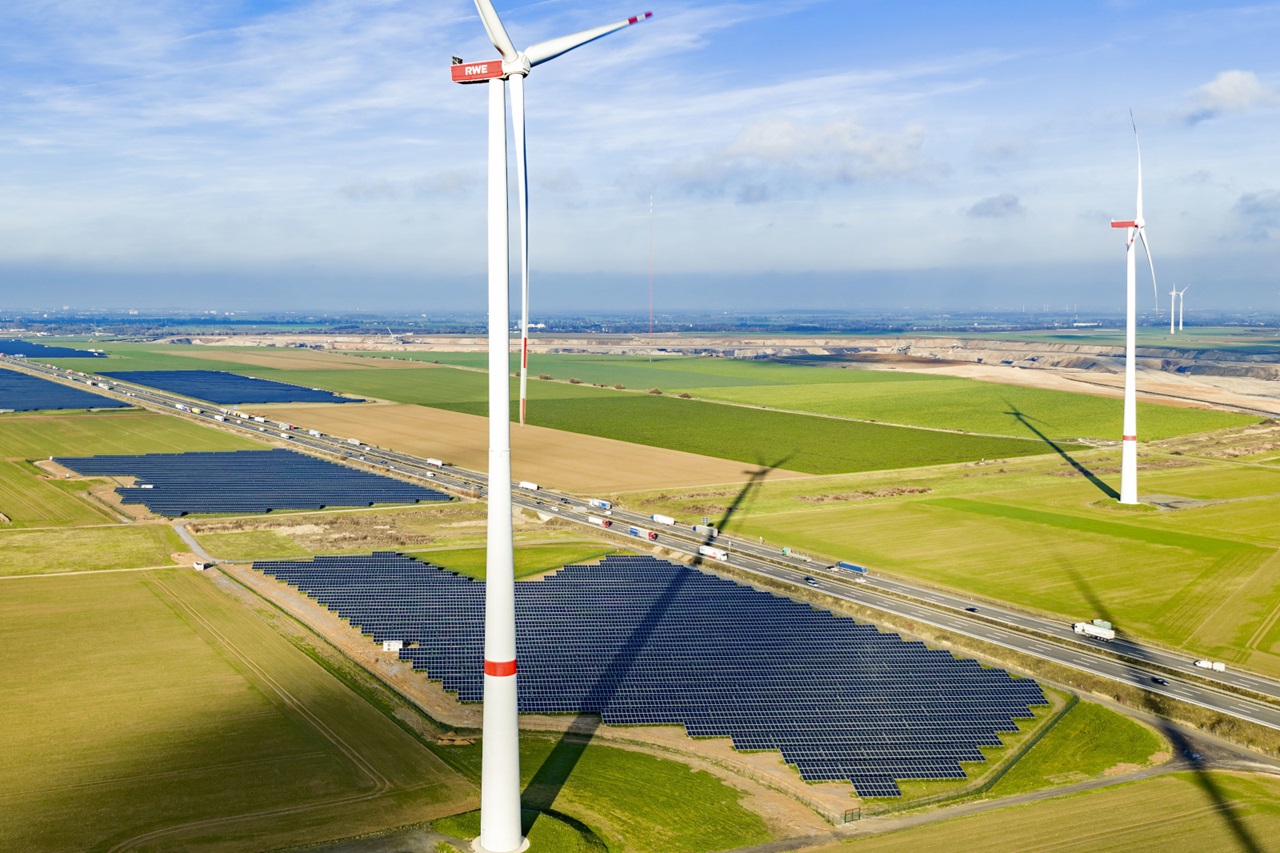
The Council of the European Union and the European Parliament have reached a provisional agreement to accelerate permitting and grid connections for renewable energy projects, aiming to address longstanding administrative bottlenecks that have slowed the energy transition.
Under the agreement, EU member states will have 18 months to transpose the directive into their national legislation once it is formally adopted. The new rules are expected to simplify authorization procedures not only for renewable energy installations but also for energy storage facilities and electric vehicle charging stations.
The urgency is underscored by figures from Aurora Energy Research, which reports that 1 terawatt of renewable energy capacity is currently awaiting grid connection across Europe. There is a 120 GW gap between planned renewable deployment and the available grid capacity in most EU countries, making fast-tracked permitting a central issue for the region’s energy ambitions.
Speaking on the agreement, Darragh O’Brien, Ireland’s minister for climate, energy and the environment, described it as a step to “facilitate the roll-out of renewable energy and electricity grids across the EU,” directly addressing grid congestion and aiming to accelerate infrastructure build-out.
The business implications are significant. By streamlining permitting, the EU hopes to make renewable investment more attractive, increase competition, and enable faster project deployment, especially as grid congestion and authorization delays have emerged as major hurdles for developers and investors.
However, risks remain. The new rules will only take effect after formal adoption by both the Council and Parliament, and some member states may still deprioritize renewable projects due to security, defense, or cultural heritage concerns.
With the 18-month timeline for national implementation, the speed and effectiveness of these reforms will vary across the bloc, potentially creating disparities in project timelines and investment attractiveness between countries. The outcome will be closely watched by the energy sector and policymakers seeking to align with EU climate targets.