EU Targets Wider Market Access to Counter Global Trade Barriers, Germany's Merz Says
The European Union is intensifying efforts to expand market access as a response to rising global trade restrictions, according to Germany's Merz.

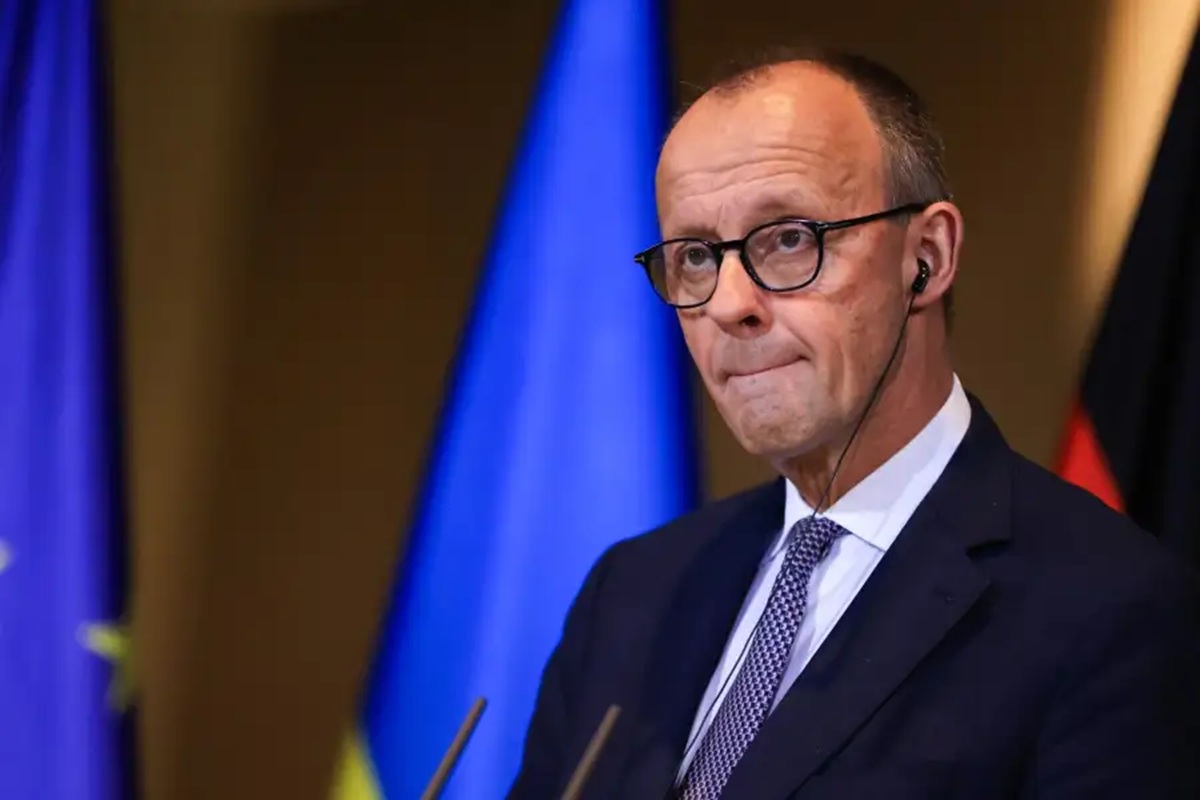
The European Union is stepping up initiatives to broaden market access in response to a surge in global trade restrictions, according to statements by Germany's Merz.
Merz emphasized the urgency of countering trade barriers, highlighting that the EU must act decisively to protect and enhance opportunities for European businesses. The call to widen market access comes as global trade faces increasing hurdles, with protectionist measures and regulatory barriers affecting cross-border commerce.
For European companies, the initiative could provide new pathways into international markets, mitigating the adverse effects of existing restrictions. Expanding access is expected to support sectors already impacted by tariffs, quotas, and other forms of protectionism, especially in industries where the EU is a major exporter.
Analysts suggest that the EU’s efforts may help stabilize trade flows and foster more predictable commercial relationships with key partners. Improved market access could also strengthen the EU’s negotiating position in ongoing and future trade talks, particularly with countries or blocs that have imposed new barriers.
The push for broader market access aligns with the EU’s broader strategy to maintain its competitiveness in the face of shifting global trade dynamics. Policymakers and businesses are closely monitoring which specific trade restrictions the EU will target, as the outcome could influence not only European but also global supply chains.
As the EU moves forward, the impact of these initiatives will be felt across the Atlantic and in Latin America, where European companies have significant trade and investment interests. Enhanced market access could open new opportunities for EU-Latin America cooperation, particularly in sectors vulnerable to protectionist trends.
The European Union’s actions are likely to shape the trajectory of global trade relations, with implications for investors, multinational companies, and regulators worldwide.