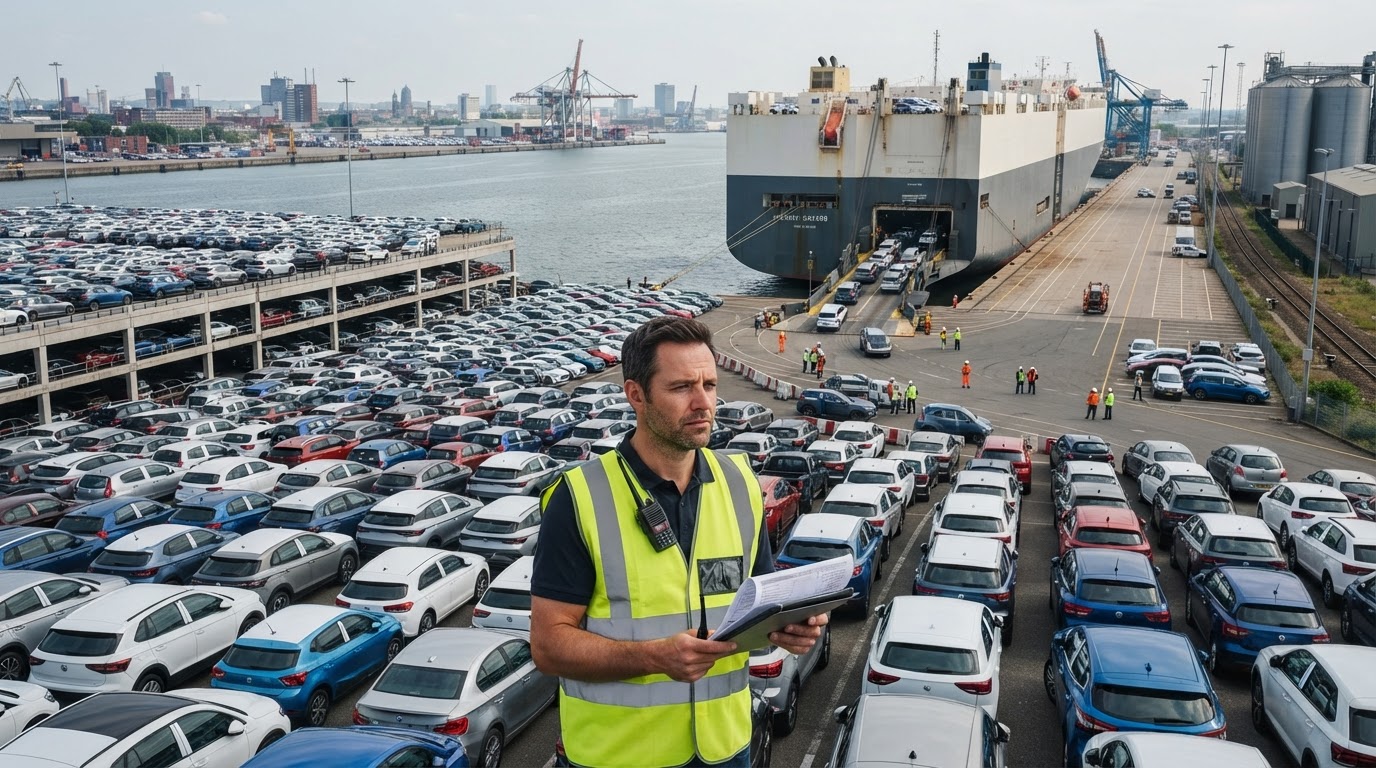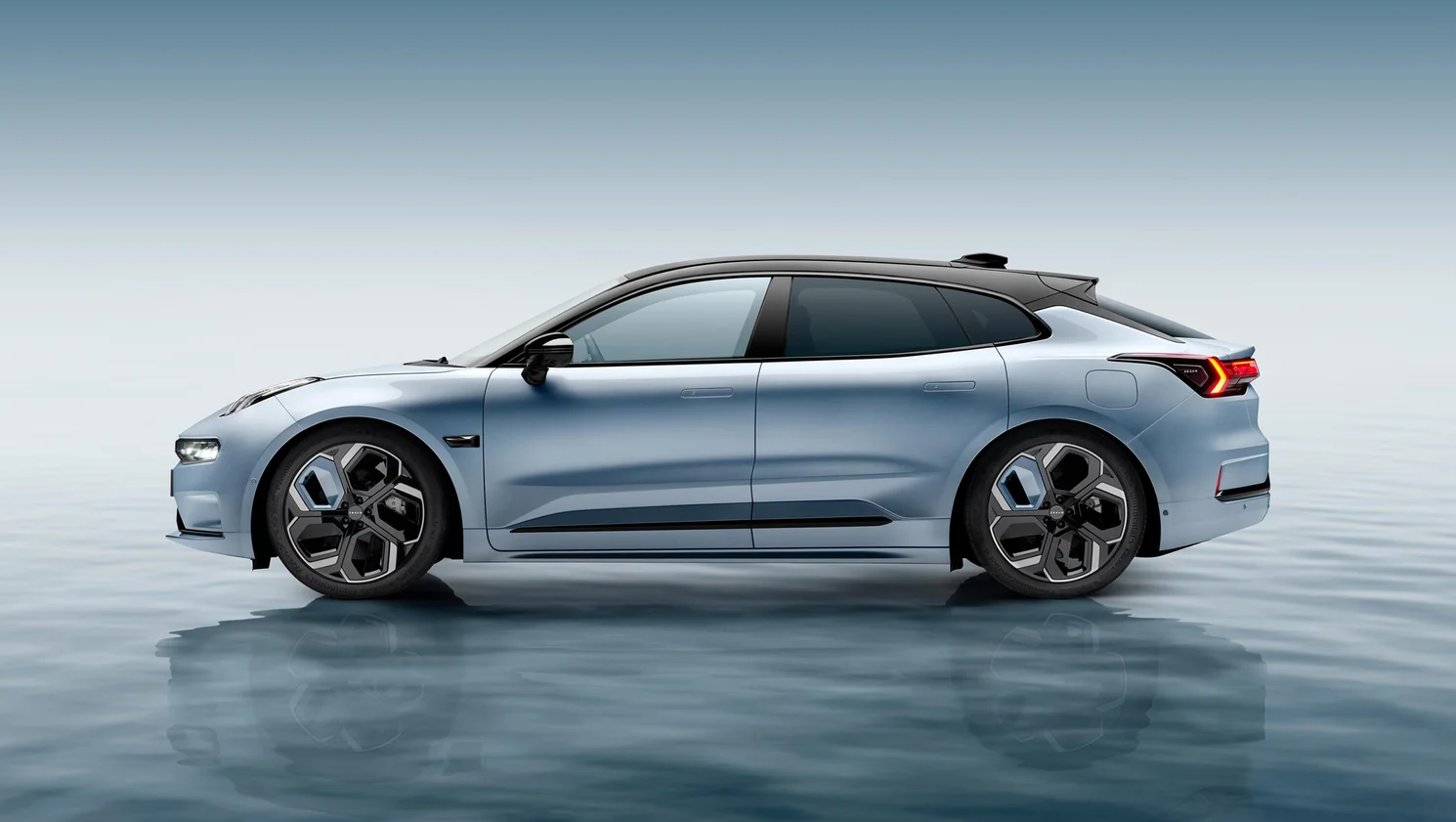
EU to limit Chinese hybrid car imports for 200 days from December amid trade review
The European Commission will impose temporary quotas on imports of Chinese hybrid vehicles for 200 days from December 1, also affecting imports from the UK, Japan, Turkey, and others.

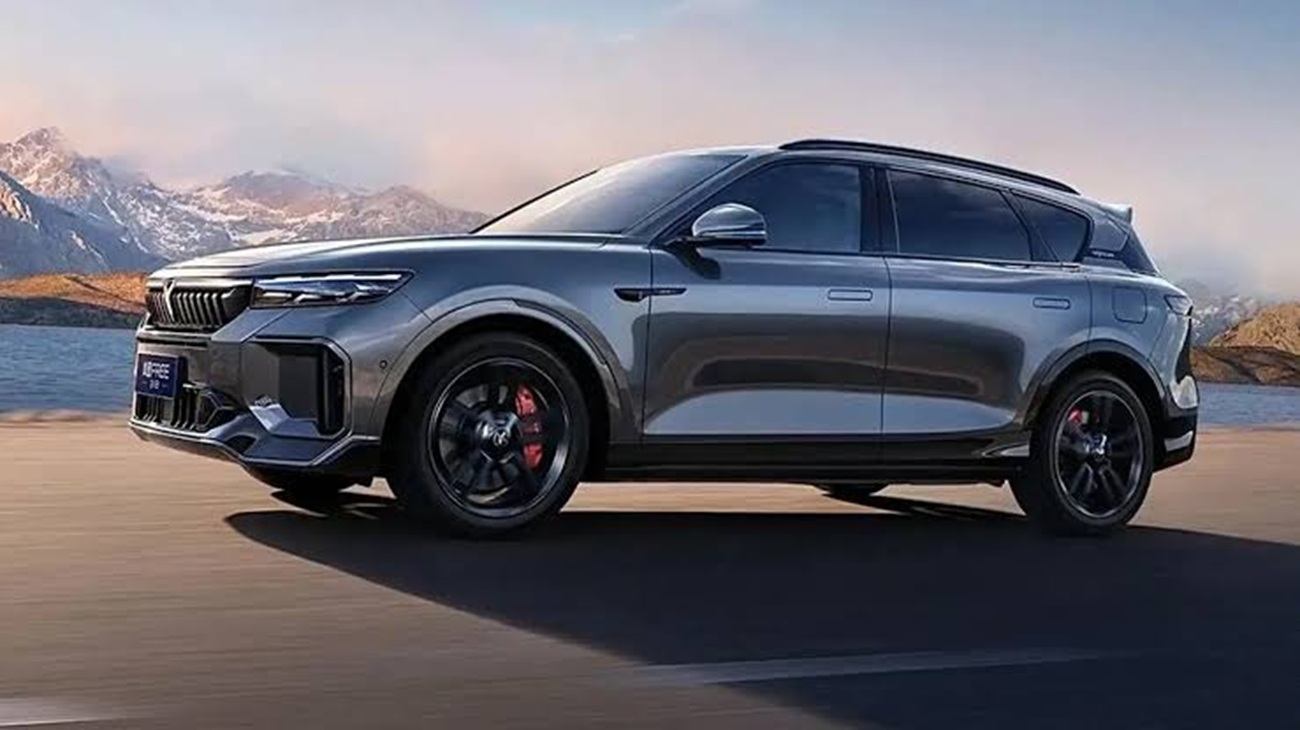
The European Commission has announced that, starting December 1, 2026, the European Union will impose temporary quotas on imports of hybrid vehicles, including those from China, for a period of 200 days. These measures are being introduced under World Trade Organization rules and will also affect vehicle imports from Japan, Turkey, South Korea, and the UK.
The principal aim is to address concerns regarding the rising volume of Chinese hybrid car exports to the EU, following an agreement with Beijing in October. According to the official journal released by the European Commission, the quotas are intended to protect the EU’s hybrid vehicle sector, which is considered strategically important for innovation, electrification, and employment within the bloc.
During the 200-day period, tariff-free imports of Chinese hybrid vehicles will be limited to 191,000 units. Annual quotas for other countries are also outlined: 310,000 for Japan, 230,000 for Turkey, 105,000 for South Korea, and 190,000 for the UK. The Commission notes that these quotas are safeguard measures and must apply to all major exporters of hybrid vehicles to the EU.
Data cited by the European Commission indicate a significant increase in Chinese electric vehicle imports to the EU in recent years, with a shift from battery electric vehicles to hybrids after tariffs were imposed. The quotas are intended to prevent further substantial increases in hybrid imports that could threaten the competitiveness of the EU automotive industry.
Several countries, including the UK, Japan, South Korea, Switzerland, and Turkey, have raised questions regarding the transparency and fairness of the investigation leading to these measures. The European Commission has stated that the measures aim to ensure fair competition and to address the concerns of the EU industry about potential injury caused by the surge in hybrid imports.