Euro area trade deficit widens to €10.3bn as energy gap hits record high in September
The euro area posted a €10.3 billion trade deficit in September 2026, driven by a widening energy gap and shrinking machinery surplus.

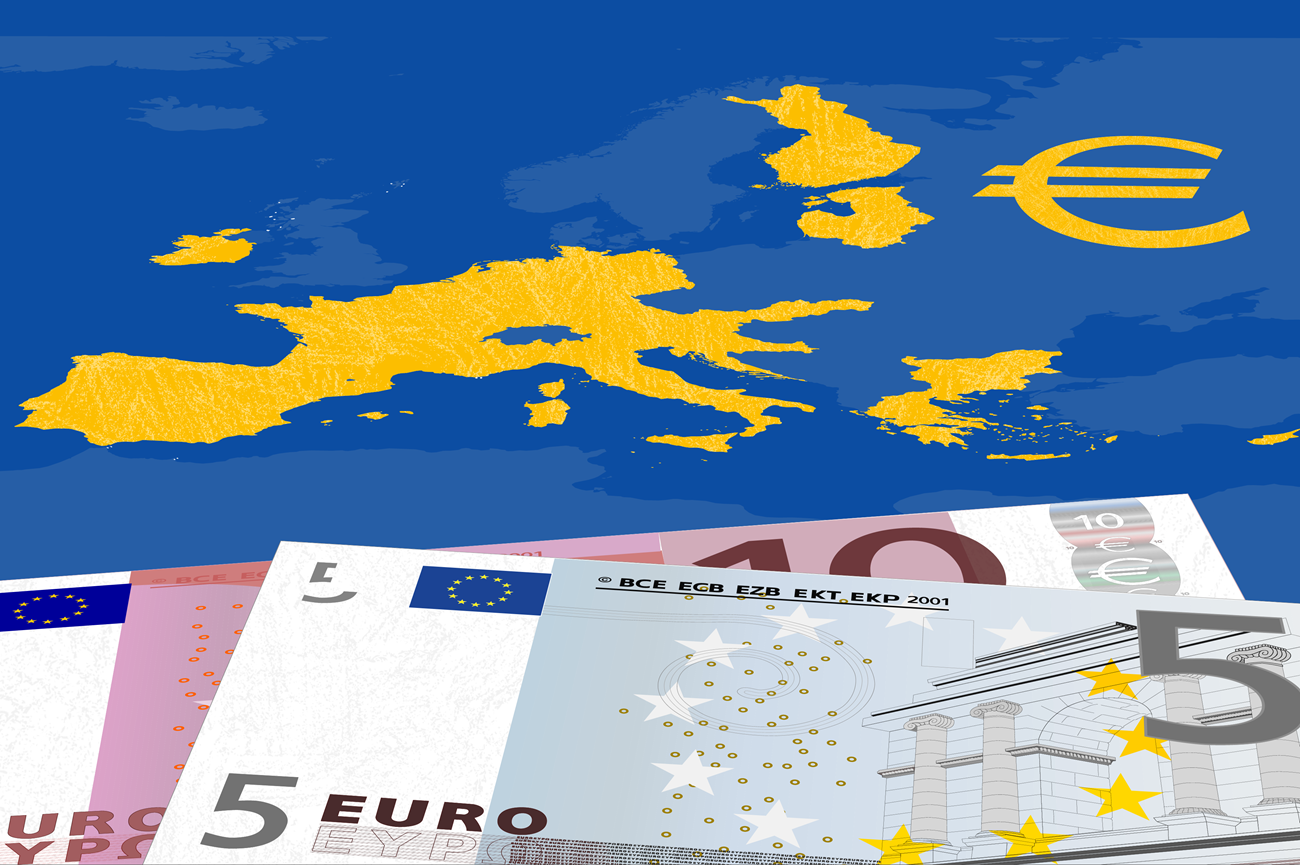
Eurostat reported a €10.3 billion trade deficit for the euro area in September 2026, marking a sharp reversal from a €13.5 billion surplus in the same month of 2025. The shift underscores the mounting impact of energy imports on the region’s trade balance.
Exports from the euro area rose to €272.7 billion, up 6% year-on-year, but were outpaced by a surge in imports, which climbed 16.1% to €283.0 billion. The widening gap is largely attributed to the energy deficit, which expanded from €20.7 billion in September 2025 to €33.0 billion in September 2026, reflecting higher energy prices and continued import reliance.
The surplus in machinery and vehicles, traditionally a strength for euro area exporters, narrowed significantly—from €10.0 billion to €3.0 billion—signalling competitive pressure in these sectors. This could affect revenue streams and put further strain on the region’s trade dynamics.
From January to September 2026, the euro area recorded a €36.5 billion deficit, a stark contrast to the €102.2 billion surplus posted in the same period of 2025. The broader EU trade deficit also widened to €16.8 billion in September 2026, indicating systemic challenges across the bloc.
The persistent trade gaps raise concerns for policymakers about the region’s external vulnerabilities, particularly in energy. The figures highlight the urgency for energy diversification and innovation to reduce import dependency. Competitive pressures in machinery and vehicles also point to the need for renewed focus on industrial strategy.