Germany deepens ties with South Caucasus, targeting trade and connectivity amid tensions
Germany is intensifying diplomatic and economic engagement with Azerbaijan and Armenia, viewing the South Caucasus as a strategic region for trade and connectivity amid ongoing geopolitical uncertainty.

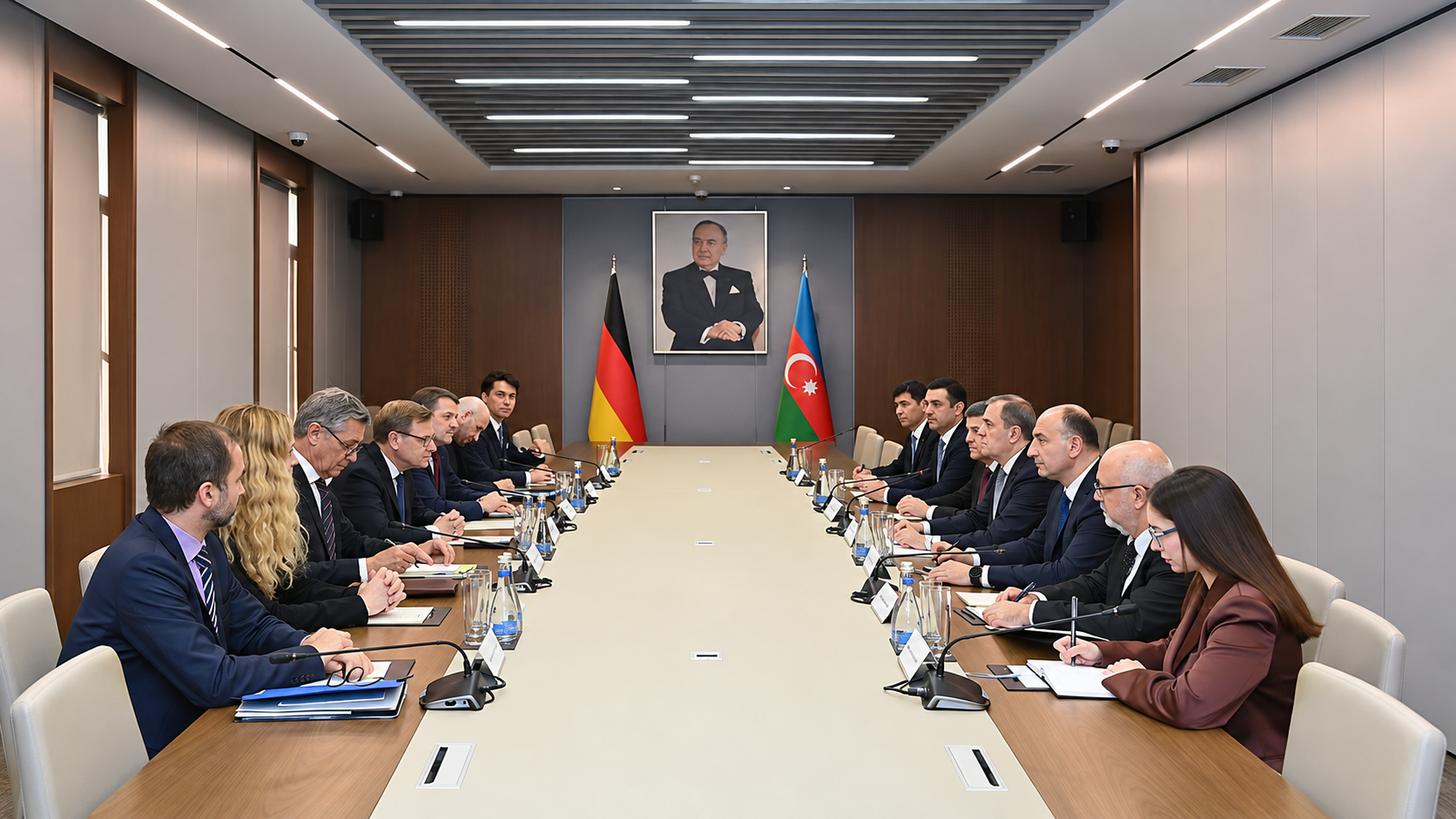
Germany is stepping up its engagement with the South Caucasus, as Foreign Minister Johann Wadephul completed official visits to both Azerbaijan and Armenia this week, emphasizing the region's role as a 'region of opportunities' for Europe.
Wadephul's tour underlines Germany's strategic interest in developing political and economic ties in the South Caucasus, which is increasingly viewed by Berlin as vital for alternative trade routes and supply chain diversification as the war in Ukraine disrupts traditional corridors.
During talks with Azerbaijan’s Foreign Minister Jeyhun Bayramov and President Ilham Aliyev, Wadephul highlighted the significance of the region for connectivity, trade, and education. Bilateral trade between Germany and Azerbaijan reached about €1.3 billion in 2025, illustrating growing economic interdependence.
The development of the Middle Corridor transport route, a 42-kilometre segment running through Armenian territory, is a focal point for European efforts to bolster east–west commerce. Wadephul indicated that Germany is keen to support regional infrastructure projects that can enhance Europe-Asia connectivity and mitigate risks from ongoing global supply chain disruptions.
For the European Union, deepening cooperation in the South Caucasus is seen as central to strengthening alternative trade routes, particularly as geopolitical tensions with Russia and instability in the region threaten existing supply lines. The EU's engagement aims not only to boost economic ties, but also to promote stability and dialogue between Azerbaijan and Armenia.
However, risks remain significant. Political tensions and the unresolved conflict between Azerbaijan and Armenia continue to threaten the stability required for large-scale projects. The status of the Middle Corridor, in particular, depends on progress toward a durable peace agreement between the two countries.
For European investors and companies, Germany's strategic outreach may translate into new opportunities in infrastructure, logistics and education, but these will be closely tied to regional stability and the success of ongoing diplomatic initiatives.