Germany, Spain and the Netherlands Lead European Investment in Argentina
Germany, Spain and the Netherlands remain the three largest European investors in Argentina, reinforcing the strategic economic ties between the European Union and South America's second-largest economy. Together, these countries account for a significant share of foreign direct investment (FDI), supporting sectors such as energy, manufacturing, finance, infrastructure and technology.
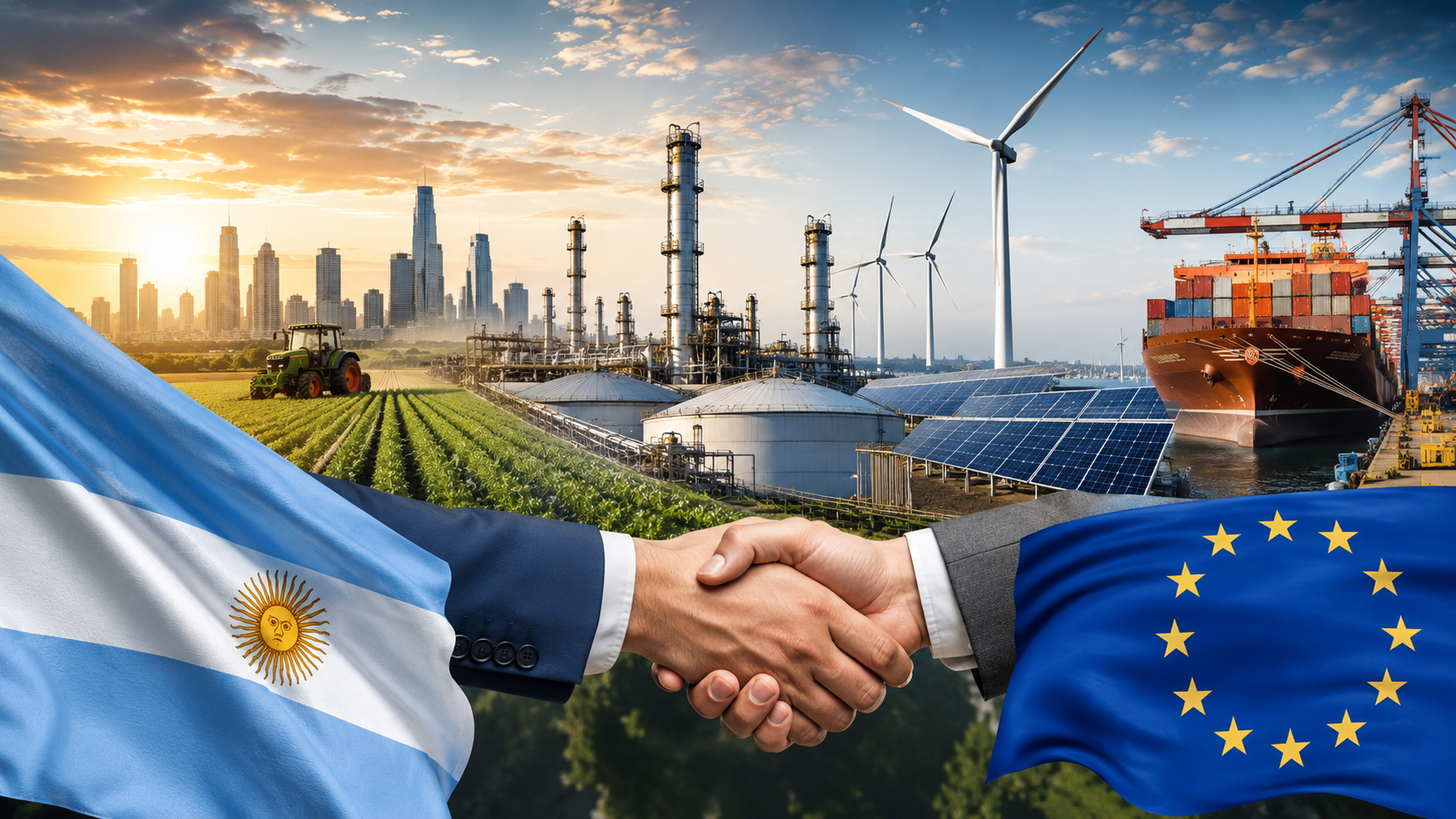
European companies continue to play a central role in Argentina's economy, with investment from Germany, Spain and the Netherlands positioning these three countries as the leading European sources of foreign direct investment.
According to recent investment data, European capital remains a key driver of industrial development, employment and technological innovation, reflecting long-standing commercial ties between Argentina and the European Union.
Germany strengthens its industrial footprint
Germany is the largest European investor in Argentina, with companies maintaining a strong presence across manufacturing, automotive production, chemicals, renewable energy, engineering and industrial technology.
Major German multinationals have invested for decades in local production facilities, research and development, logistics and advanced manufacturing, making Argentina one of Germany's principal investment destinations in Latin America.
The country's focus on innovation and industrial efficiency continues to support new investment opportunities, particularly in energy transition projects and digital industries.
Spain maintains broad economic presence
Spain remains one of Argentina's most important international investors, with significant operations in banking, telecommunications, infrastructure, insurance, renewable energy and utilities.
Spanish companies have established deep commercial roots in the Argentine market, contributing to the modernization of essential services while expanding investment in digital infrastructure and sustainable energy.
The close historical and cultural relationship between the two countries continues to facilitate long-term business cooperation.
The Netherlands expands strategic investment
The Netherlands has consolidated its position as another major European investor, supported by investments in agribusiness, logistics, energy, finance and international trade.
Dutch companies play an important role in Argentina's export-oriented industries, particularly agriculture and food production, while also participating in renewable energy and port infrastructure projects.
The Netherlands' position as a global logistics and financial hub also strengthens commercial links between Argentina and European markets.
Energy attracts growing European capital
One of the sectors receiving the greatest attention from European investors is energy.
The development of Vaca Muerta, renewable energy projects, electricity transmission and natural gas infrastructure continues attracting investment from companies seeking opportunities in Argentina's expanding energy sector.
Europe's growing demand for energy security and cleaner energy sources has increased interest in long-term projects throughout the country.
Diversified investment across the economy
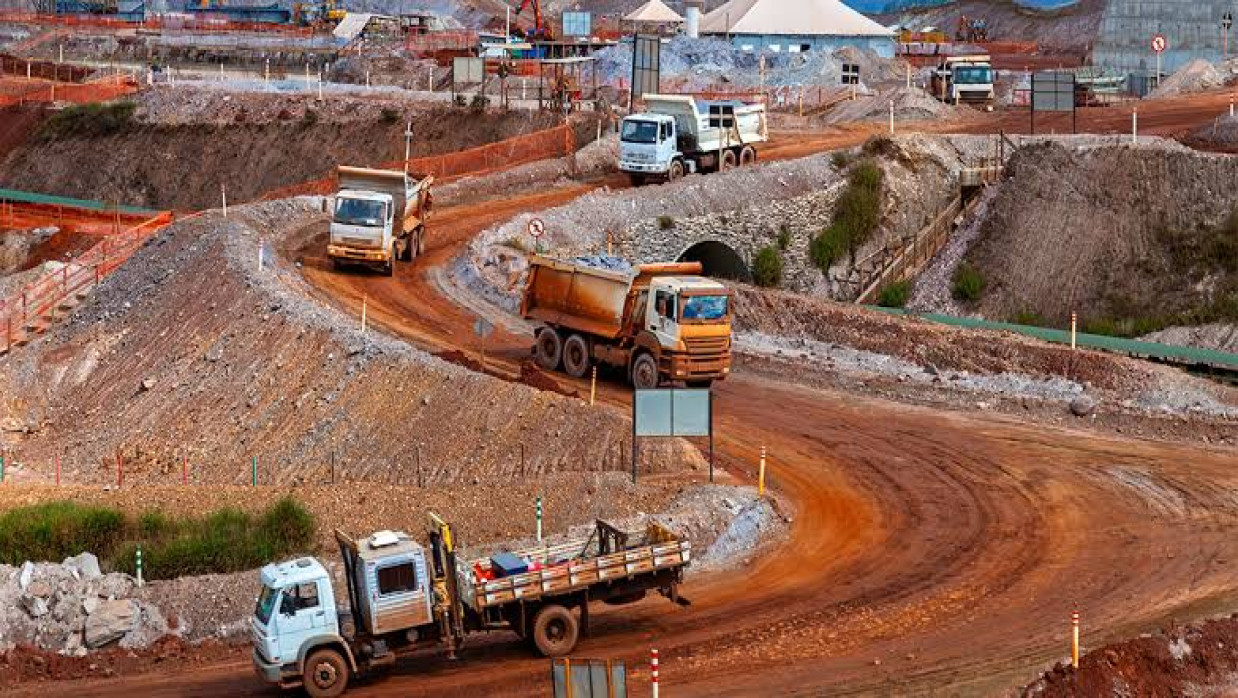
Beyond energy, European investment extends into pharmaceuticals, automotive manufacturing, consumer goods, financial services, mining, agriculture, technology and infrastructure.
This diversification reflects investor confidence in Argentina's productive capacity despite the economic challenges experienced in recent years.
Many European companies also view Argentina as a strategic platform for serving broader South American markets.
EU–Mercosur agreement could accelerate investment
The prospect of implementing the EU–Mercosur trade agreement is expected to further strengthen investment flows between Europe and Argentina.
A more integrated commercial framework could improve market access, reduce trade barriers and encourage additional foreign direct investment across multiple industries, particularly manufacturing, agribusiness and clean energy.
Business leaders increasingly see the agreement as an opportunity to deepen long-term economic cooperation.
Europe remains a strategic partner
The continued leadership of Germany, Spain and the Netherlands highlights Europe's enduring role as one of Argentina's most important investment partners.
As Argentina seeks to expand exports, modernize infrastructure and attract new international capital, European companies are expected to remain central to the country's long-term economic development strategy.