Argentina Threatens UK with Legal Action Over Falklands Oil Project
President Javier Milei gives the UK a two-week ultimatum to halt the Sea Lion oil project near the Falkland Islands, escalating a long-running dispute over sovereignty and resources.

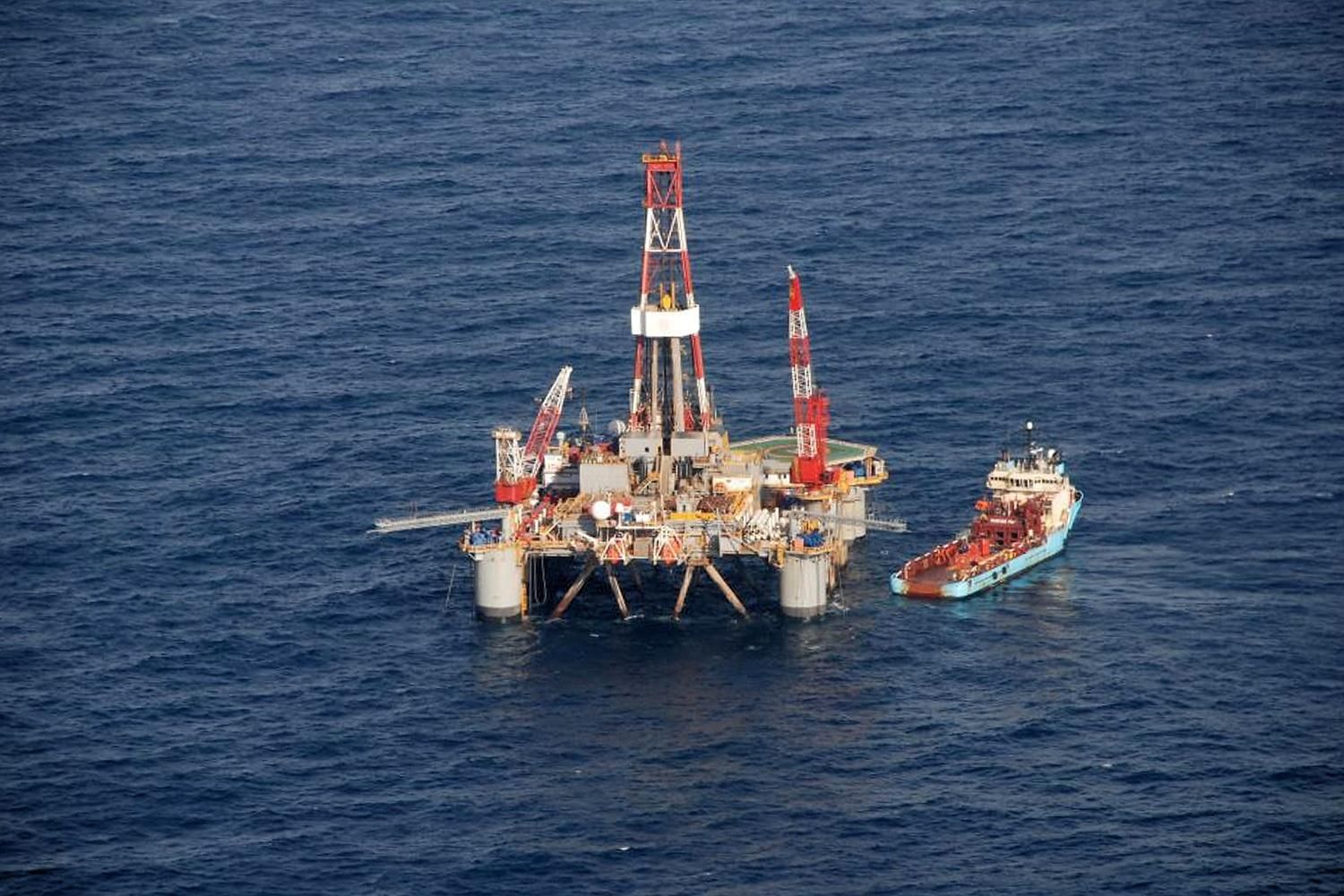
Argentina has issued a two-week ultimatum to the UK demanding the suspension of the Sea Lion oil project near the Falkland Islands, threatening to initiate international arbitration if drilling continues. President Javier Milei instructed the Foreign Ministry and legal teams to prepare the case, marking a significant escalation in the decades-old territorial dispute.
The Sea Lion field, operated by Navitas Petroleum Development and Production Ltd in partnership with Rockhopper Exploration, is slated to begin production in March 2028, with a projected lifespan of 30 years. The project is expected to create jobs and generate economic activity in both the Falkland Islands and the UK, with substantial implications for the regional oil sector.
The confrontation revisits long-standing tensions stemming from the 1982 conflict, when the UK and Argentina fought a brief war over the islands. Britain has controlled the territory since 1833, but Argentina continues to assert sovereignty, making resource exploitation a recurring flashpoint.
Legal analysts note that Argentina's strategy to seek international arbitration could elevate the dispute in global forums. If successful, it may strengthen Buenos Aires' claims under international law, but the process carries the risk of high legal costs and potential diplomatic fallout should arbitration not yield a favorable outcome for Argentina.
For the UK, the Sea Lion project represents a significant economic opportunity, reinforcing its commitment to the islands' development. Any disruption would affect not only local employment prospects but also the wider supply chain linked to the North Sea and British energy sector.
The standoff also resonates across Latin America, where Argentina’s stance may garner regional support for its claims. However, the move could complicate bilateral relations with the UK and shape future negotiations on territorial and resource rights.
The outcome of this latest escalation remains uncertain, with questions over the legal grounds Argentina will advance and the UK's response to the ultimatum. What is clear is that the intersection of sovereignty, resource development, and international law will continue to define relations in the South Atlantic.