High fuel costs trigger failures at Norse Atlantic and Plus Ultra in Europe
Norse Atlantic and Plus Ultra suspended operations in November amid sustained high fuel prices, highlighting the challenges facing European airlines.

November brought a wave of airline suspensions across Europe as high fuel costs and a challenging operating environment affected several carriers. Among those most impacted were Norse Atlantic and Plus Ultra Líneas Aéreas, both of which halted operations, reflecting the mounting difficulties for airlines in the region.
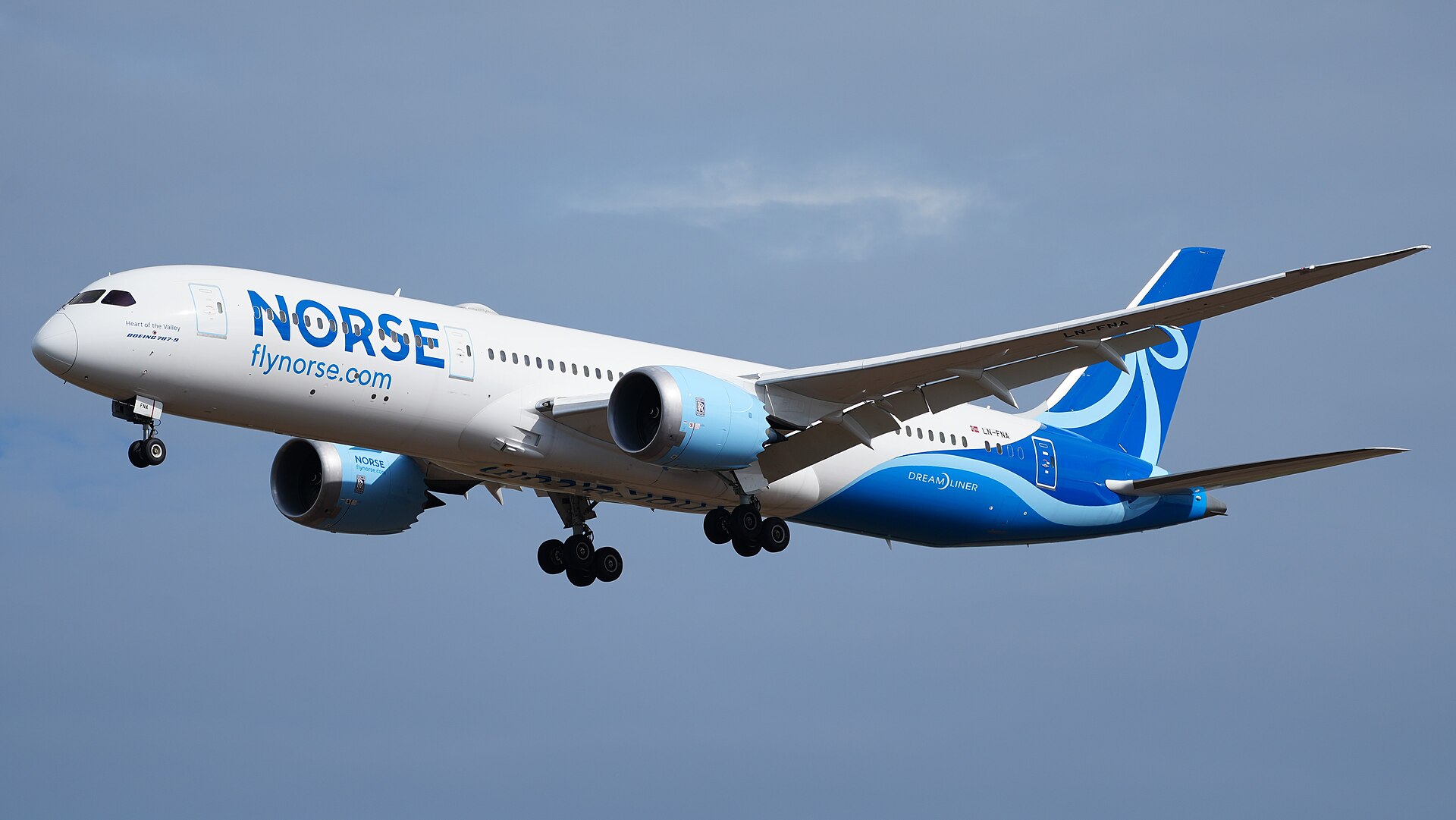
Scandinavian carrier Norse Atlantic suspended operations on 26 November and stated it would seek bankruptcy protection if urgent financing could not be secured. The airline, which operates a fleet of 12 Boeing 787-9s, indicated that it was in discussions with investors regarding a possible takeover but required immediate funds to continue. Lessors have issued termination notices for its fleet, a move Norse has contested.
Norse Atlantic was established in March 2021, backed by Norwegian’s founder and other former executives, with the aim of reviving the low-cost transatlantic model. However, neither Norse nor its predecessor Norwegian managed to establish a sustainable long-haul low-cost operation, especially as Norwegian had already withdrawn from long-haul routes earlier in 2021.
In Spain, Plus Ultra Líneas Aéreas suspended its operations on 23 November after failing to resolve its financial crisis through court-supervised negotiations with creditors. The Madrid-based carrier, which operated seven Airbus A330-200s and -300s between Spain and Latin America, cited high fuel costs as a significant factor in its decision to halt flights.
Other European airlines also faced difficulties in November. AlbaStar, another Spanish carrier, suspended operations and filed for creditor protection. In Romania, Animawings entered insolvency proceedings and had its air operator’s certificate suspended, while Dan Air also faced insolvency measures. Slovakia’s AirExplore shut down, and Air Baltic in Latvia warned of potential liquidation if further emergency financing was not secured, despite receiving an initial €175 million in state-backed funding.
These events illustrate the vulnerability of smaller and less capitalized airlines in Europe in the face of high operating costs and ongoing economic pressures. The situation has also prompted stronger carriers to consider measures such as job cuts and fleet restructuring to address rising costs, even as some relief has come from recent declines in jet fuel prices.
The ongoing disruptions suggest further consolidation may occur in the European airline sector, with larger carriers better positioned to withstand continued volatility.