Ryanair launches cost drive to offset €2 billion fuel surge, raising questions for ticket pricing
Ryanair's €2 billion fuel cost surge prompts aggressive savings, with potential effects on airfares and consumer demand.

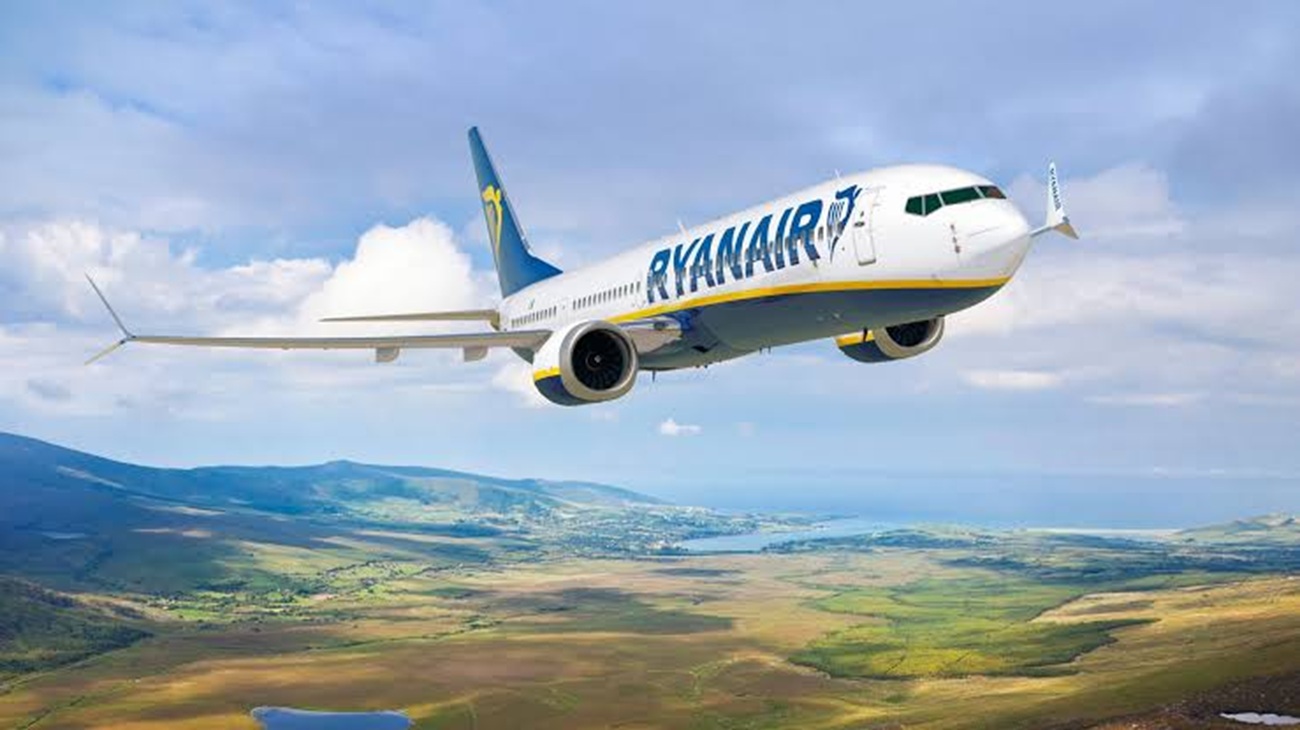
Ryanair Holdings Plc has announced a sweeping cost-cutting initiative aimed at absorbing a projected €2 billion increase in jet-fuel charges for the upcoming year, a response to escalating oil prices driven by ongoing Middle East conflicts.
The low-cost carrier's move comes as airlines worldwide contend with mounting pressure from volatile fuel markets, a development that threatens to erode profitability and reshape pricing strategies across the sector. Ryanair's decision underscores the urgent need for operational efficiency as energy costs weigh on financial forecasts.
The airline's cost drive is expected to involve a thorough review of expenditures across its operations. While specific measures have not yet been detailed, industry analysts note that such initiatives typically target non-essential services, supplier contracts, and discretionary spending. This approach is designed to preserve Ryanair's reputation for low fares, but may risk service reductions that could impact customer satisfaction.
Rising fuel expenses are not only a challenge for Ryanair but also for competitors operating in an environment where ticket price sensitivity remains high. As fuel costs climb, airlines must choose between absorbing the expense or passing it onto consumers through higher fares. According to the company, maintaining competitive pricing is central to Ryanair’s strategy, but the ultimate impact on ticket prices will depend on the effectiveness of the cost-cutting program.
Consumer behavior is already showing signs of caution, with booking patterns reportedly influenced by economic uncertainty and geopolitical tensions. Should Ryanair manage to control costs without significantly raising fares, it could strengthen its market position, but risks persist if service quality is compromised or if cost savings prove insufficient.
The broader airline industry faces similar dilemmas as the Middle East situation continues to affect global oil prices. Ryanair’s experience will be closely watched by competitors and investors alike, as it may set a benchmark for how European carriers adapt to sustained cost pressures.